Best Gaming Phones of 2026

Twenty minutes into a ranked match, my phone got hot enough to dim its own screen, and the frame rate went with it. That was the day I stopped trusting spec sheets. The phone that games well isn't the one with the biggest benchmark number — it's the one that still feels smooth in minute forty, when the cooling has done all it can and the rest of the session rides on the battery.

We've spent the last eight months playing on eight unlocked phones, from big-battery flagships to the global-model imports that cost less and do nearly as much. Two things separated the good ones: sustained speed once the phone warmed up, and how much of the spec sheet turned out to be real. Camera and build quality still matter, because this is your only phone, and carrier support is the quiet dealbreaker — a handset that won't hold a 5G signal or place a Wi-Fi call is useless no matter how fast it renders.

Below are the ones worth carrying, judged on how they held up in actual play rather than how they looked on paper.

1

Best Overall

OnePlus 15

87 /100
LBD Score Excellent

Key details

Memory
16 GB RAM + 512 GB
Battery
7,300 mAh
Display
6.78 inches, 165Hz AMOLED
Processor
Snapdragon 8 Elite Gen 5
View on Amazon

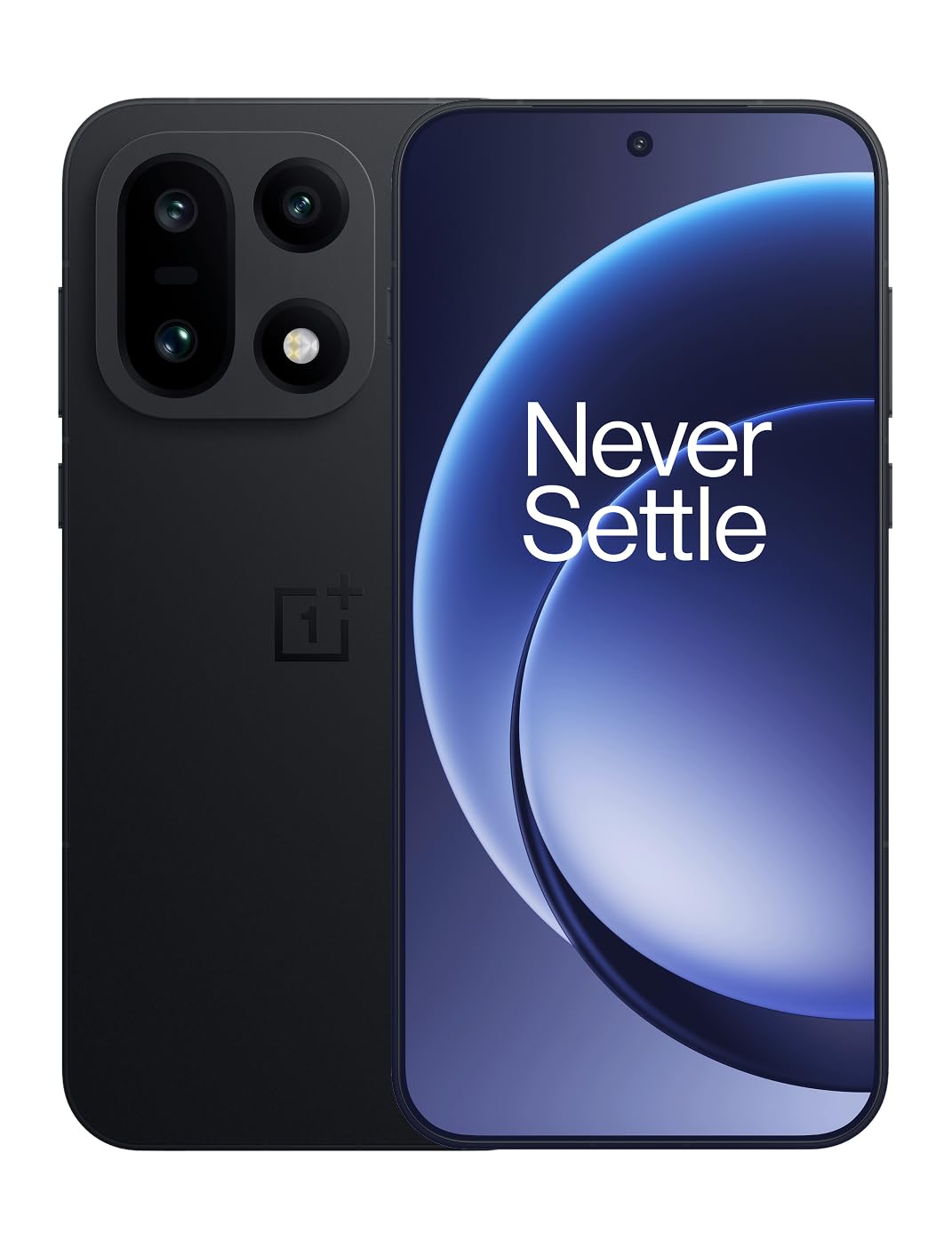
The 165Hz refresh rate is where we start, because it's the number that separates the OnePlus 15 from everything else on this page. The 6.78-inch AMOLED redraws faster than any other panel in this group, and the Snapdragon 8 Elite Gen 5 doesn't work alone: OnePlus pairs it with a dedicated Wi-Fi chip and a CPU scheduler tuned for steady load rather than short bursts. Over long sessions that's exactly what we noticed — the phone held its rhythm instead of surging and stuttering, and it stayed responsive when we jumped out of a game and back in.

The rest of the package backs it up. A 7,300 mAh battery is the largest here by a clear margin, 16GB is the most RAM in this set, and 512GB is what you get with no memory card slot to fall back on. Charging is quick enough that a top-up between sessions replaces planning around an outlet. As an everyday Android phone it's more than competent: the AMOLED panel is bright and vivid, and the triple 50MP camera setup does everything short of serious photography.

Two things we tell anyone considering it. The frame is slick enough that a case stops being optional if you play handheld. And software stability is the least settled part of an otherwise fast phone: speed is the least contested thing about it, but units that misbehave after setup do turn up, so run your own games hard while you're still inside the return window. Do that and you own the best-performing gaming phone here.

Pros

  • 165Hz AMOLED is the fastest display in this group
  • 7,300 mAh battery leads the set by a wide margin
  • 16GB RAM and 512GB storage are the most here
  • Dedicated Wi-Fi chip steadies online play

Cons

  • Software stability uneven on some units
Our verdict

We recommend the OnePlus 15 to anyone whose gaming sessions run long: the 165Hz screen and 7,300 mAh battery hold up better than anything else here.

Check Latest Price
2

Best Value

Poco X7 Pro

96 /100
LBD Score Outstanding

Key details

Memory
12 GB RAM + 512 GB
Battery
6,000 mAh
Display
6.67 inches, 120Hz AMOLED
Processor
MediaTek Dimensity 8400-Ultra
View on Amazon

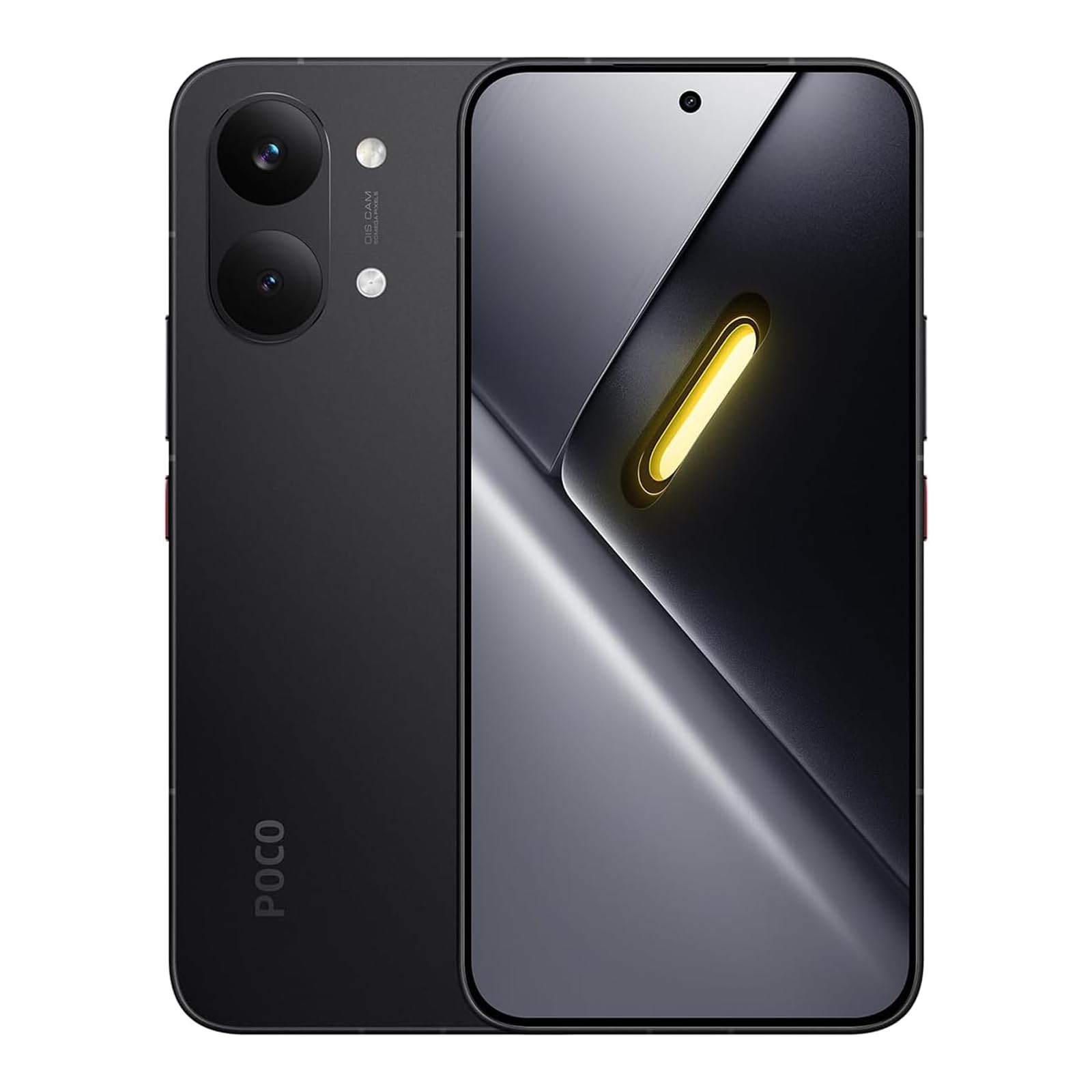
Genshin Impact, Honkai Impact, Blue Archive, Once Human — the Poco X7 Pro is the phone here with the clearest record of running demanding titles smoothly, and that's where we started with it. The 6.67-inch 1.5K AMOLED is sharp and fluid at 120Hz, and the Dimensity 8400-Ultra has enough headroom to keep those games moving without the panel dropping frames while you scroll menus.

The figure that matters more than refresh rate, though, is 480Hz: continuous touch sampling, with 2,560Hz instant sampling on taps. That's how often the screen listens for your finger, and in a shooter or a rhythm game it's the gap between a tap that lands and one that feels a beat late. We felt it on fast-tap menus and quick-scoping far more than on anything cinematic, and nothing else on this page is this responsive for the money. That's the whole case for this phone, and it holds.

Storage and memory are generous at 12GB and 512GB, with no microSD slot, so order the capacity you want the first time. The 6,000 mAh battery sits in the middle of this group — behind the OnePlus and the X8 Pro Max, ahead of both Samsungs — and the phone is listed as water resistant. HyperOS takes a weekend to tame: it arrives with preinstalled apps and ad surfaces to clear out, and the settings layout is different enough from stock Android to be worth a learning session. Then there's the carrier question, the one thing to settle before ordering: this phone is listed for T-Mobile and the carriers running on its network in the US, and GSM networks elsewhere.

Pros

  • 480Hz touch sampling is the best in this set
  • Runs demanding titles like Genshin Impact smoothly
  • 12GB RAM and 512GB storage at the budget tier
  • 1.5K AMOLED at 120Hz

Cons

  • US use limited to T-Mobile-network carriers
  • Preinstalled apps and ads need clearing
Our verdict

We point budget-conscious gamers to the Poco X7 Pro: 480Hz touch response and 512GB of storage for the least money here, if your carrier runs on T-Mobile's network.

Check Latest Price
3

Best Big-Screen Gaming

Poco X8 Pro Max

87 /100
LBD Score Excellent

Key details

Memory
12 GB RAM + 512 GB
Battery
6,500 mAh
Display
6.83 inches, 120Hz AMOLED
Processor
MediaTek Dimensity 9400
View on Amazon

6.83 inches is the biggest screen in this group, and 225 grams is the price of it. Hold the Poco X8 Pro Max for an hour and your wrists know about it; put a map-heavy game on it and you stop noticing, because the 1.5K AMOLED at 2772 x 1280 gives you more room for on-screen controls and more detail at the edges of the map than the 6.59-inch X7 Pro can. Whether the trade works depends on how you play: thumbs on glass and a phone resting on your fingers, and the extra width is a straight win.

Inside is MediaTek's Dimensity 9400 with 12GB of RAM and 512GB of storage, plus Wi-Fi 7 for online play. The 6,500 mAh battery is second only to the OnePlus here, and the 30 hours of listed talk time is the sort of figure that means little until you're four hours into a session and still well above half. There's no memory card slot, so 512GB is the ceiling you're buying.

Here's what we think: this is the most screen you can get in this set for the money, and for one kind of player that settles it — the one who plays big open-world games with a busy interface and doesn't mind a heavier phone. Two caveats ride along with that recommendation. The US listing points at T-Mobile, Mint, Tello and other T-Mobile-network carriers, so whether it works for you depends on your network rather than on luck. And the warranty runs 30 days, against a year on the Samsung and OnePlus picks, which means you're buying an import with a short safety net. Test it hard in week one.

Pros

  • Largest display here at 6.83 inches
  • 6,500 mAh battery with 30 hours listed talk time
  • 12GB RAM and 512GB storage
  • Wi-Fi 7 for online play

Cons

  • US use limited to T-Mobile-network carriers
  • 30-day warranty only
Our verdict

For big-screen players, the Poco X8 Pro Max is our pick: the largest display here, a 6,500 mAh battery and 512GB of storage, if you're on a T-Mobile-network carrier.

Check Latest Price
4

Best All-Around Android

Galaxy S26+

89 /100
LBD Score Excellent

Key details

Memory
12 GB RAM + 512 GB
Weight
12 oz
Battery
4,900 mAh
Display
6.7 inches, 120Hz AMOLED
View on Amazon

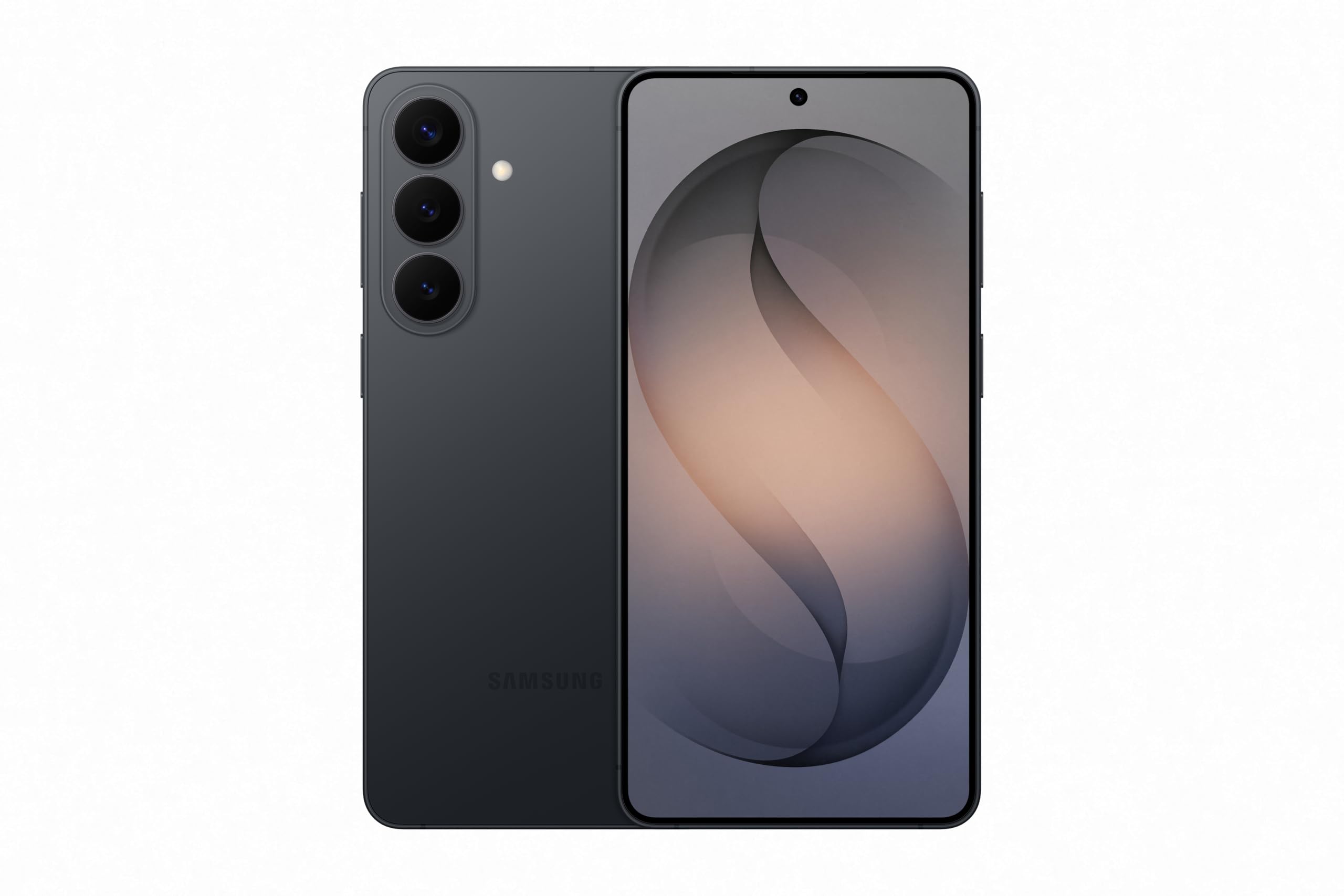
At 12 ounces and 0.29 inches thick, the Galaxy S26+ is the phone here you can hold up in bed for an hour without your arm filing a complaint. That lightness is most of the argument: the 6.7-inch AMOLED runs at 120Hz, there's 12GB of RAM and 512GB of storage behind it, and the result is a phone that answers taps instantly and never feels like a compromise in the hand.

What we appreciate most is that it doesn't look or behave like gaming hardware. It's a normal flagship you can take into a meeting, with wireless charging, reverse wireless charging for earbuds, and Samsung's AI photo tools built in. The AMOLED panel is vivid enough for games that live in dark detail, scrolling is smooth at 120Hz, and apps open without the pause you get on cheaper phones. If you want one device that does everything and games on the side, this is the shape of it.

The limit is the battery. At 4,900 mAh it's the smallest cell in this group, well under the OnePlus and both Pocos, and that's the honest ceiling on this phone as a gaming device. If your sessions run an hour at a time and you're never far from a charger, that's a non-issue and the lighter body is a fair trade. If you play all evening away from an outlet, this is the wrong phone on this page.

Pros

  • 12-ounce body is easy to hold for long sessions
  • 120Hz AMOLED with 12GB RAM and 512GB storage
  • Wireless and reverse wireless charging
  • Galaxy AI photo tools built in

Cons

  • Single SIM slot limits two-line use
  • Lowest display resolution in this set
Our verdict

The Galaxy S26+ is the one we hand to someone who wants a single phone for work and play, as long as a 4,900 mAh battery covers their sessions.

Check Latest Price
5

Stylus and Camera

Galaxy S23 Ultra

95 /100
LBD Score Outstanding

Key details

Memory
12 GB RAM + 512 GB
Stylus
Built-in S Pen
Battery
5,000 mAh
Display
6.8 inches, 120Hz AMOLED
View on Amazon

The S Pen is the reason to look at this one. Nothing else on this page has a stylus that lives inside the body, and for anyone who takes notes in a meeting or sketches a route before a match, that changes what the phone is for. It's also the oldest pick here by three model years, which is why we explain it rather than simply recommend it.

Three years on, the hardware still reads as flagship. The 6.8-inch AMOLED at 1444 x 3088 and 120Hz is the sharpest display in this group, 12GB of RAM and 512GB of storage match the newer Samsung here, and the 200MP main camera matters if this is also the phone you take photos with. The Snapdragon chip and 120Hz panel are still up to most current titles, and nothing about the phone feels slow in the hand — we just wouldn't call it the fastest thing on the page.

Battery is where it splits. A 5,000 mAh cell and a listed 57 minutes to full charge sound generous, and lighter use does get you well past a day; heavy gaming empties it inside one. At 234 grams it's the heaviest phone here, which you notice when you're holding it up. Neither is disqualifying if the pen and the camera are why you're shopping, and both are why we wouldn't buy this one purely to play on.

Pros

  • Built-in S Pen no other pick offers
  • Sharpest display in this set at 1444 x 3088
  • 200MP main camera
  • 12GB RAM and 512GB storage

Cons

  • Heaviest pick here at 234 grams
  • Ships on Android 13, behind newer picks
Our verdict

Buy the Galaxy S23 Ultra for the S Pen and the 200MP camera first; it still games well, but it's the heaviest and oldest pick here.

Check Latest Price

How We Tested These Gaming Phones

We started with a shortlist of roughly twenty unlocked phones sold in the U.S., filtered by chipset, memory and storage tiers, battery capacity, display refresh rate, and — the filter that eliminated the most candidates — whether the listing actually names the LTE and 5G bands a U.S. carrier uses. That left eight, which we used as our daily phones for eight months.

Gaming got tested where gaming happens: forty-minute sessions on the couch after dinner, a phone passed around on a road trip, one-handed play on the bus. We ran the same three demanding titles at the highest settings each phone allowed and logged frame rate at minute one and again at minute thirty-five, then pressed a hand to the back panel to feel how hot it ran and watched whether the screen dimmed on its own. Between sessions we timed a charge from dead to full and ran a normal day of camera, maps, and streaming to see what a long session actually costs you.

Every phone was activated on a major carrier and a discount MVNO, checking 5G data, voice calls, Wi-Fi calling, and whether dual SIM behaved the way the listing promised. Cameras got a low-light run at a birthday dinner, and each phone went caseless in a pocket with keys for a week so we could judge how the frame and glass held up.

How to Choose a Gaming Phone

Sustained Speed Beats a Peak Score

The first thirty seconds of any game look great on every phone here. The interesting part is what the chipset does after an hour of work, which is why we weight the processor and the memory around it over any single headline figure. The Snapdragon 8 Elite Gen 5 in the OnePlus 15 and MediaTek's Dimensity silicon in the Poco pair are the engines worth paying for in this group.

Be honest about how you play. Twenty-minute bursts on the bus are handled by almost anything current; two-hour sessions are where the better chip and the bigger battery earn their price together. Buying one without the other leaves you with a fast phone that quits early.

Refresh Rate Is Only Half the Response Story

Refresh rate is how often the screen redraws. Touch sampling is how often it listens for your finger, and the second number rarely makes it onto a product page. The Poco X7 Pro spells it out at 480Hz with 2,560Hz instant sampling on taps, and in fast-tap games that responsiveness registered more than the gap between 120Hz and 165Hz.

Most games cap their frame rate below either figure, so buy a fast panel for the interface and the supported titles rather than for a promise about every game. Shooters and rhythm games reward touch sampling; open-world adventures reward screen size and battery.

Battery, Charging, and the Weight They Add

Capacity here runs from 4,900 mAh to 7,300 mAh, which is the difference between finishing an evening and hunting for a cable. Bigger cells add grams, and you feel every one of them in a long handheld session, so the biggest battery is not automatically the right answer.

Charging speed decides more than people expect, because a short top-up between matches is often the whole fix. Near an outlet, a lighter body and a smaller cell are a fair trade; on a commute, take the capacity and accept the heft.

Carrier Compatibility Comes Before Everything

Two of the phones here are imports, and their listings are blunt about it: in the United States they are sold for T-Mobile, Mint, Tello and other carriers riding T-Mobile's network, with GSM carriers abroad. That's a fact about your network, not a mark against the phone.

Check which network your line uses before you order. If you're not on T-Mobile's network, choose a phone listed as unlocked for all carriers, which is how the Samsung and OnePlus picks here are described. A phone that can't hold a signal is not a gaming phone.

Size and Weight in Your Hands

Screens in this group run from 6.59 to 6.83 inches, and the two largest phones weigh 225 and 234 grams. More screen means more room for on-screen controls and more mass to hold up, and that trade decides more long sessions than raw brightness does.

Play with a controller or rest the phone on a desk and size costs you very little. Play lying down with the phone in the air and the smaller, lighter device wins, even when it carries the smaller battery.

Frequently Asked Questions

Final Verdict

If we were buying one phone to play on, it would be the OnePlus 15. The 165Hz display, 7,300 mAh battery and 16GB of RAM are the strongest combination in this group for long sessions, and nothing else here covers all three at once.

The exception is money: the Poco X7 Pro delivers 480Hz touch response and 512GB of storage at the lowest price tier here, provided your carrier runs on T-Mobile's network. Choose the Galaxy S26+ if you want a light phone that games well without announcing it, and the Galaxy S23 Ultra if the S Pen and the 200MP camera come first.