Best Overall
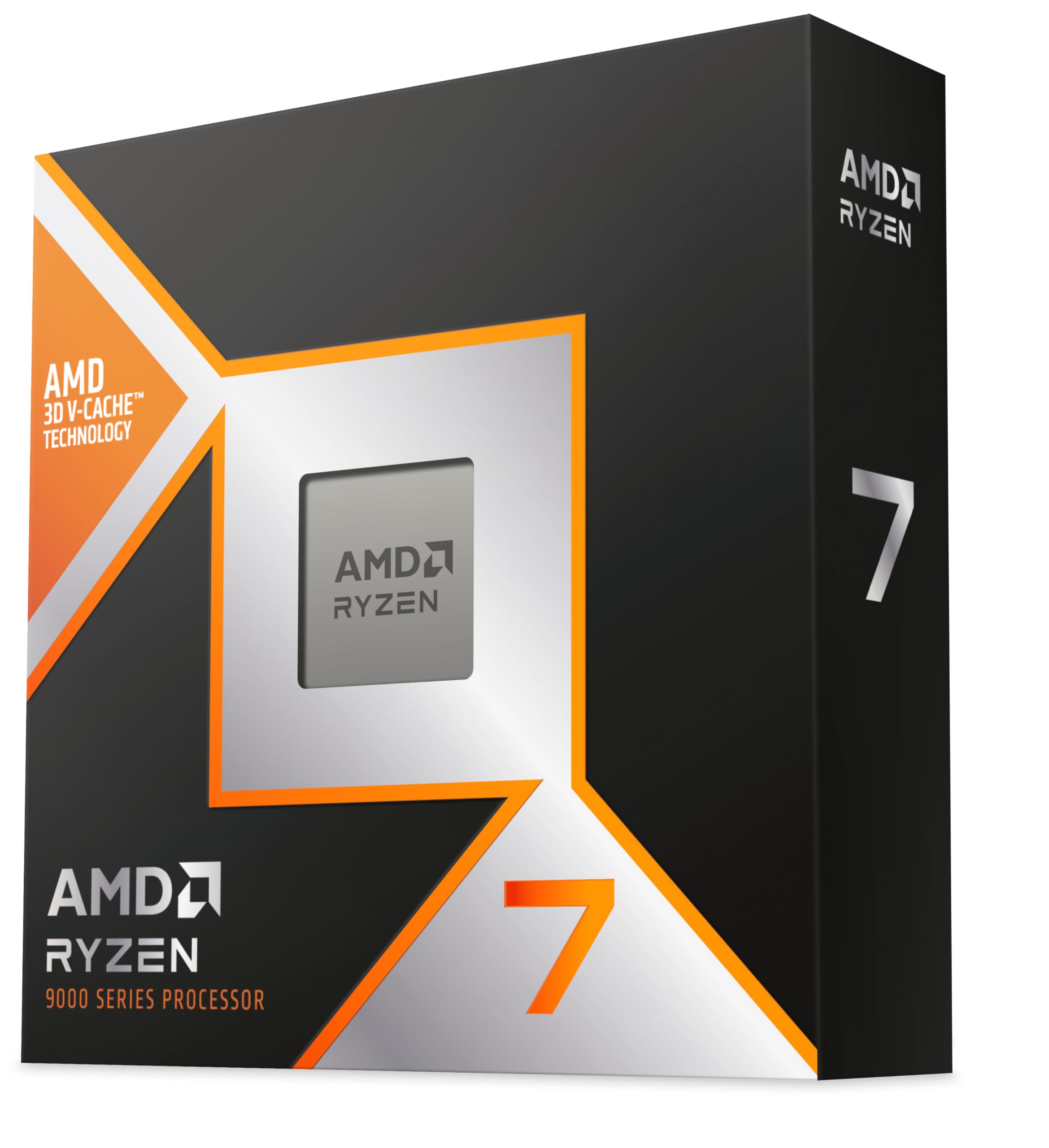
AMD Ryzen 7 9800X3D
Key details
- TDP
- 140W
- Socket
- AM5
- L3 Cache
- 96MB
- Cores / Threads
- 8 / 16
The 96MB L3 cache is why the 9800X3D tops this list. In games that stream a lot of world data, that cache keeps the processor from waiting on memory, and we noticed the benefit in frame pacing more than in a big peak-FPS number. Eight cores and 16 threads are plenty for gaming, while the 5.2 GHz boost keeps everyday tasks responsive.
What surprised us is how little cooling drama there is for a flagship. The 140W TDP is manageable with a good tower cooler or a 240mm AIO, and our test build stayed composed through long sessions. You still need to buy a cooler, because none is included, but you do not have to build the whole system around taming the chip.
The catch is the price and the platform. This is the most expensive gaming-focused pick here, and moving to AM5 means DDR5 and a new board if you are coming from AM4. If you already have an AM5 setup and a strong GPU, the upgrade is straightforward. If you are starting fresh, budget for the board, memory, and cooling, not just the processor.
At 1080p and 1440p, where the CPU matters most, this is the chip we reach for first. The 7800X3D is the value alternative; the 9800X3D is for the buyer who wants the last few percent and plans to keep the platform for years.
Pros
- Top gaming frame pacing in this group
- Runs efficiently for a flagship
- Drop-in AM5 upgrade
Cons
- No cooler in the box
We recommend the 9800X3D as the default high-end gaming CPU: its 96MB cache and eight fast cores deliver the most consistent frame rates here, and it runs efficiently on AM5.