Best Fitness Trackers of 2026

For three years I wore a bulky GPS watch on every run and took it off the moment I got home. Then I tried a screenless strap no thicker than a hair tie, and it stayed on through showers and overnight and quietly collected more useful data than the watch ever had. A good tracker disappears into your wrist and still tells you what your week actually looked like.

For this round, my team and I wore 12 trackers for six months — screenless straps, full smartwatches, and a few budget step counters — through workouts, sleep, showers, and the aimless weekday walking that makes up most of a step count. Two things you learn only by living with these: a bright screen is the fastest way to kill a battery, and some of the sharpest sleep and recovery insights come from the plainest-looking devices, occasionally with a membership attached. The picks below are the ones we kept reaching for.

1

Best Overall

Garmin Vivoactive 5

88 /100
LBD Score Excellent

Key details

GPS
Built-in
Weight
1.31 oz
Display
AMOLED
Battery Life
Up to 11 days
View on Amazon

Eleven days is the number that makes the Vivoactive 5 our default fitness tracker. We kept it on through workouts and sleep, and the 11-day rating meant we were not hunting for the charger every night. It has built-in GPS, more than 30 indoor and outdoor sports apps, and a readable AMOLED display that usually asks for daily charging.

The health layer is what makes it more than a step counter. Body Battery gives us a simple read on whether to push or back off, and the sleep score and coaching turn overnight data into something we can act on. We also appreciate the wheelchair mode, which counts pushes rather than steps and adds handcycle activities.

It is not the simplest tracker to set up. The menus are deeper than a Fitbit band's, and the first week is partly spent deciding which screens and alerts you actually want. That depth is the point: the Vivoactive 5 is the one here that can cover a GPS run, a pool session, a strength day, and a sleep score without reaching for your phone. The 42mm case also sits neatly on a smaller wrist, which is not a given among GPS watches.

Pros

  • Built-in GPS and 30+ sport apps
  • Up to 11 days in smartwatch mode
  • Body Battery and sleep coaching
  • Comfortable 42mm, 1.31-ounce case

Cons

  • GPS workouts shorten the 11-day battery estimate
Our verdict

For most people, the Vivoactive 5 is the fitness tracker we recommend: built-in GPS, 11-day battery, and recovery tools in a 42mm case.
Check Latest Price
2

Best Screenless for Sleep

Fitbit Air

87 /100
LBD Score Excellent

Key details

Weight
0.18 oz
Display
Screenless
Battery Life
5 days
Water Resistance
50 meters
View on Amazon

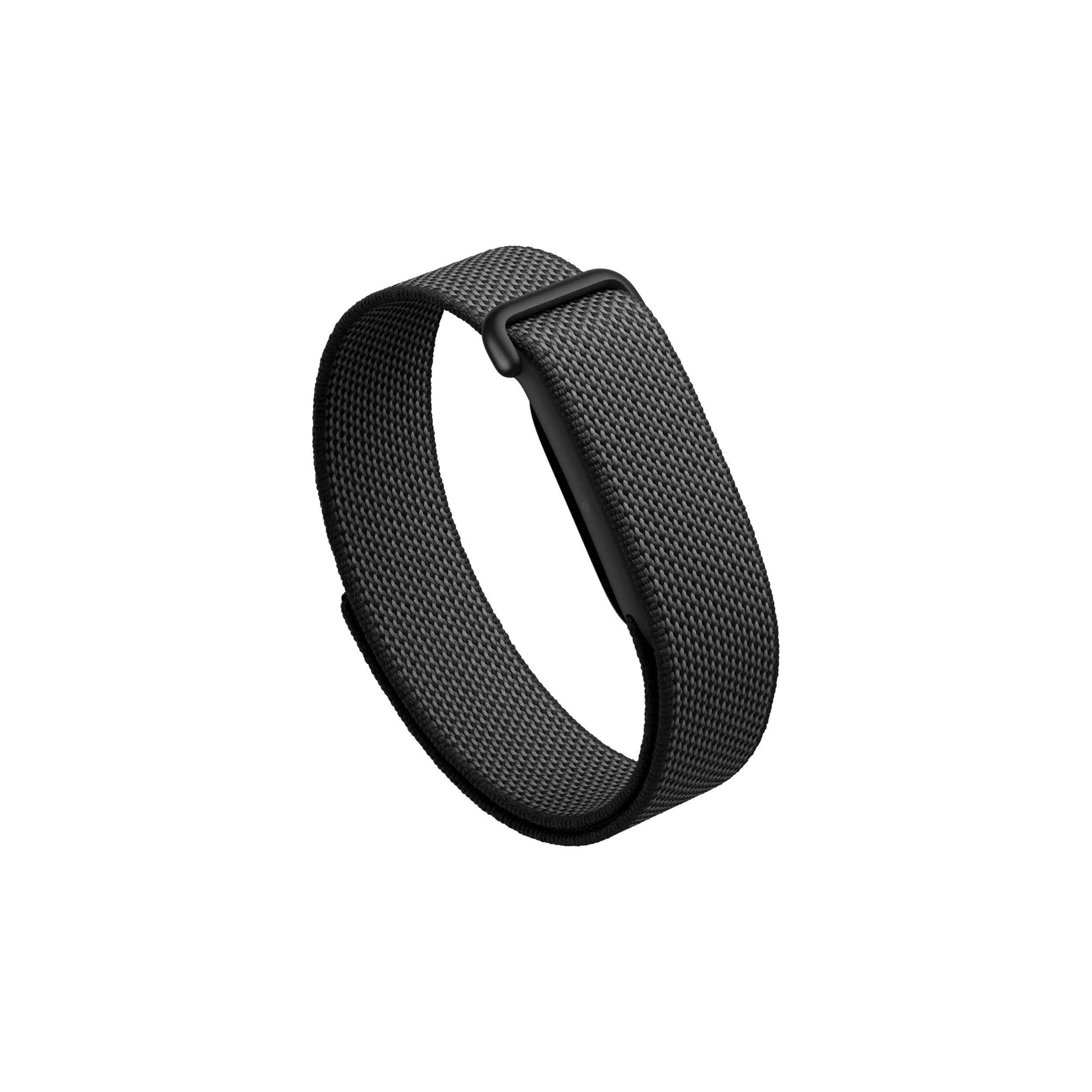
At just over five grams, the Fitbit Air is a screenless band with a one-size fit that covers 130 to 210 millimeters. There is no display to light up your wrist at 2 a.m., and no notifications to dismiss before you check your sleep data.

It is at its best overnight. Sleep tracking, heart rate, SpO2, and skin-temperature variation live in the Google Health app, and the daily readiness picture is easier to read than a pile of raw numbers. We also like that a five-minute charge buys a day of use, so a missed charge does not mean a missed night of data.

The trade-off is that this is a companion tracker rather than a standalone training watch. The app can be fussy about pairing, so set it up at home and sort any trouble inside the return window. For sleep and all-day wear, few trackers here disappear so completely.

Pros

  • 5.07-gram screenless design
  • One-size band fits 130-210mm wrists
  • Five-minute charge adds a day of use
  • Tracks sleep, SpO2, and skin temperature

Cons

  • No built-in GPS
Our verdict

If you want the lightest, most comfortable way to track sleep and daily movement, the screenless Fitbit Air is the one we reach for.

Check Latest Price
3

Best Subscription-Free Screenless

Amazfit Helio Strap

87 /100
LBD Score Excellent

Key details

Weight
0.64 oz
Display
Screenless
Battery Life
10 days
Water Resistance
50 meters
View on Amazon

The Helio Strap's best feature is the one it leaves out: a subscription. You buy the band, use the Zepp app, and keep the recovery and workout data without a monthly bill. That makes it the screenless alternative for anyone who likes the idea of the Fitbit Air or WHOOP but does not want another membership.

At 18 grams, it is light enough to wear to bed, and the 10-day battery means charging is a weekly errand rather than a nightly habit. The 27 sport modes cover the usual runs and rides, but the strength-training mode is the more interesting one: it counts reps, sets, and rest, and there is a dedicated HYROX race mode. If you lift, that is a more useful feature than a long list of outdoor profiles.

Sleep and recovery insights are useful, but they are trends to watch rather than a lab result. The app's recovery language takes a little translation at first, and auto-detection can miss the start of a workout. Check the session afterward and correct it; neither issue is a dealbreaker at this price.

Pros

  • No subscription required
  • 10-day battery
  • 18.14-gram screenless strap
  • Strength modes count reps and sets

Cons

  • No built-in GPS
Our verdict

For strength training and subscription-free recovery tracking, the Helio Strap is the screenless pick we recommend.

Check Latest Price
4

Best for Recovery

WHOOP 5.0

85 /100
LBD Score Excellent

Key details

Weight
4 oz
Display
Screenless
Battery Life
14 days
Water Resistance
IP68
View on Amazon

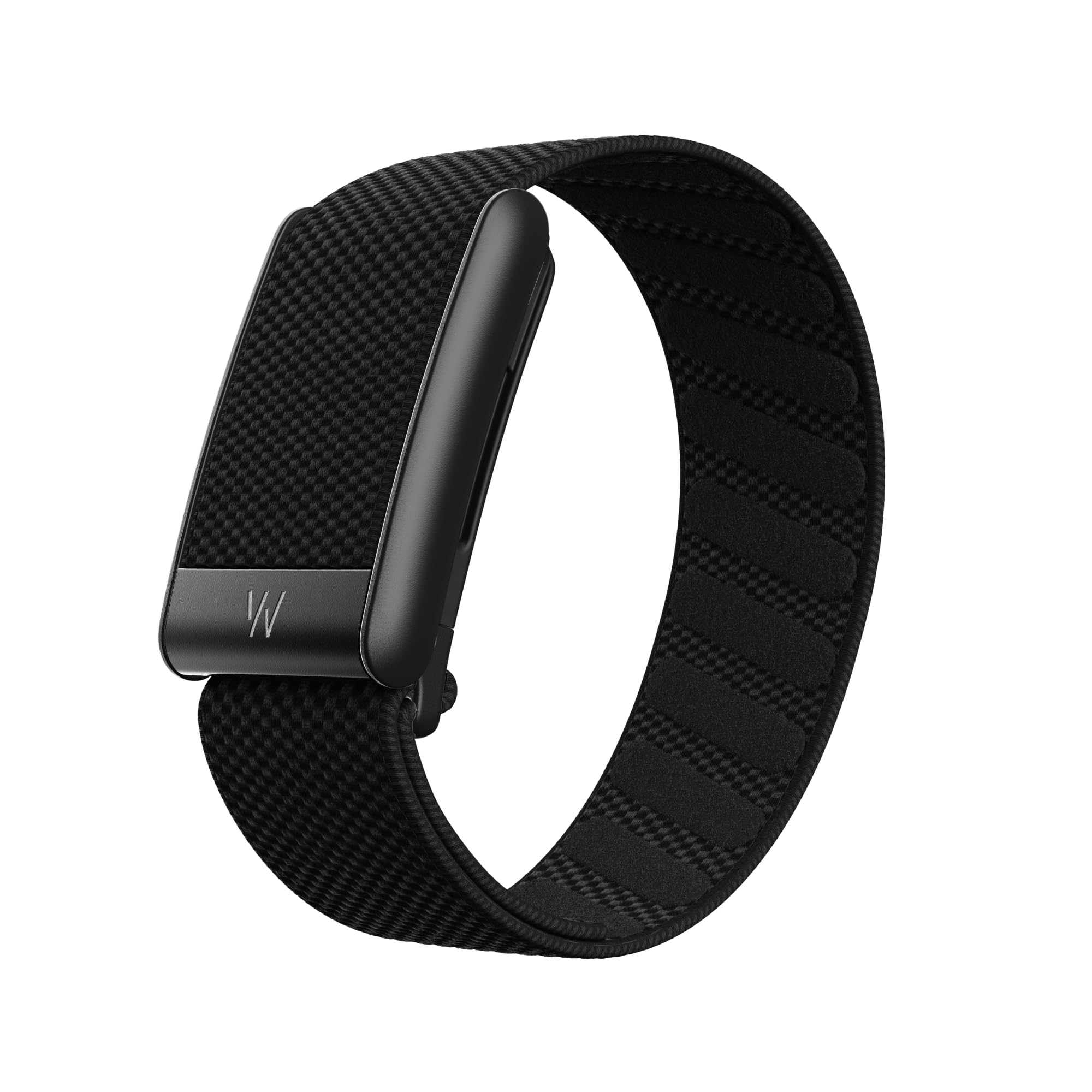
The WHOOP 5.0 is not really a gadget purchase; it is a year of coaching with a band included. If that sounds like the wrong bargain, it probably is. If you want a screenless tracker that tells you when to push and when to back off, the recovery and sleep focus here is the most complete in this group.

The hardware is built for 24/7 wear: a 4-ounce band, IP68 water resistance, and a 14-day battery that you can top up with the PowerPack while it stays on your wrist. The app turns 140-plus metrics into a daily strain and recovery picture, with an AI coach and a Healthspan view that looks at long-term habits rather than one workout.

Accuracy is the caveat. Heart-rate and strain data can drift during high-motion workouts, so treat the numbers as a guide and compare them with how you feel. The membership also means the cost continues after the included year.

For a data-minded athlete who will use the coaching, the WHOOP 5.0 earns its keep. For someone who wants steps and sleep without a recurring bill, the Fitbit Air or Amazfit Helio Strap is the better fit. The band is the least interesting part of the purchase, and that is the point.

Pros

  • 14-day battery
  • Charge while wearing with PowerPack
  • Deep sleep and recovery metrics
  • AI coach and Healthspan view

Cons

  • No screen for glanceable stats
Our verdict

If recovery coaching matters more than a screen, the WHOOP 5.0 is the most focused sleep-and-strain tracker here.

Check Latest Price
5

Best Budget AMOLED

Bakoor Fitness Tracker

78 /100
LBD Score Very Good

Key details

Display
1.10 inches AMOLED
Warranty
No warranty
Sports Modes
25
Water Resistance
IP68
View on Amazon

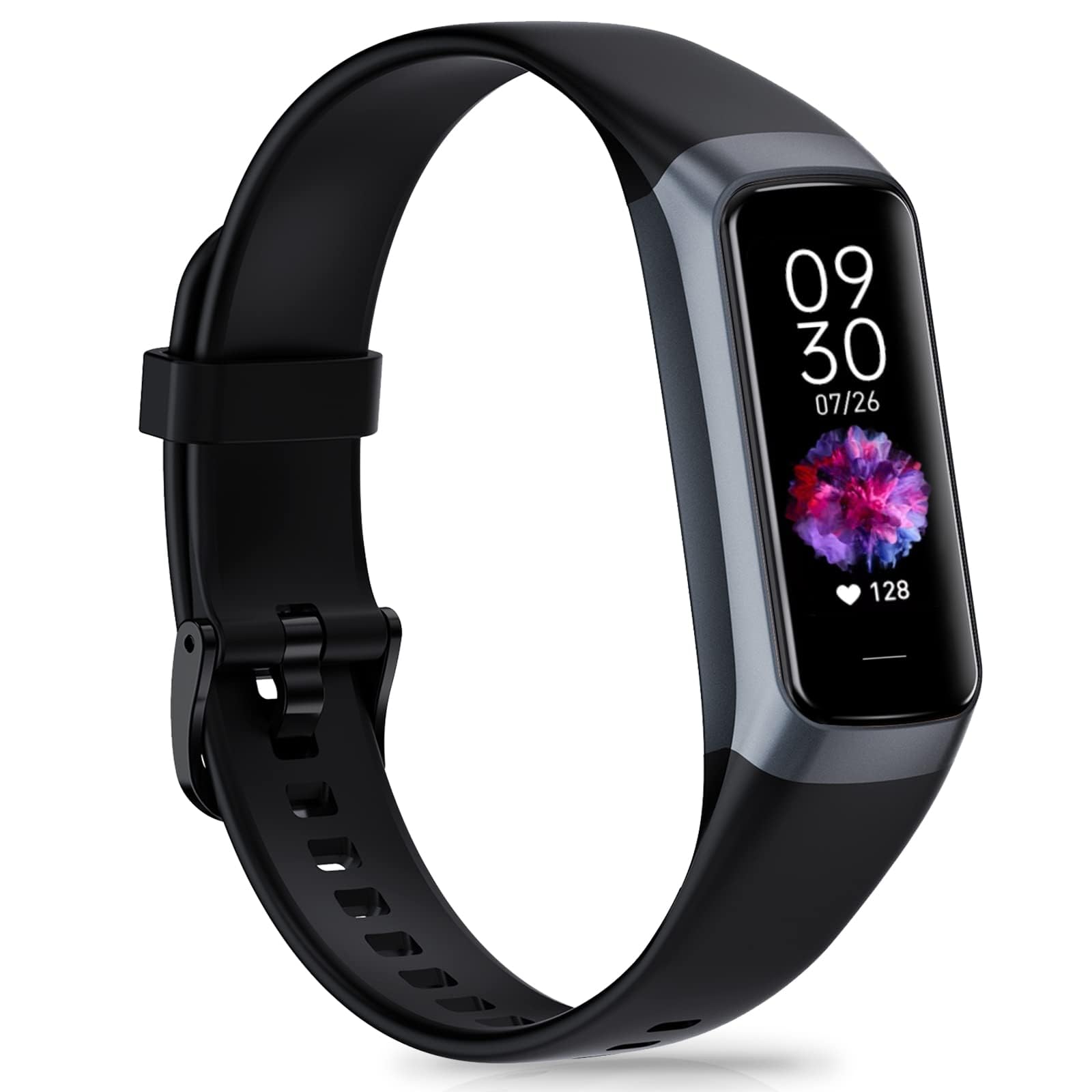
The Bakoor pairs a 1.10-inch AMOLED display with a small case and a silicone band. The panel is bright and easy to read outdoors, and the 25 sport modes cover walking, running, cycling, and the usual gym profiles.

That screen is what makes the Bakoor worth a look. At this end of the market, a bright AMOLED panel is a more meaningful upgrade than another handful of modes. The tracking package is familiar—24/7 heart rate, sleep, and IP68 water resistance—but step counts are where to slow down. Arm-heavy tasks can add steps you did not take, so compare it against a known route before relying on the daily number.

Battery life settles into a few days between charges, which is shorter than the week-plus bands here but normal for a small screened tracker. That makes it a good knockaround tracker, not the one to set and forget for a full week.

Pros

  • 1.10-inch AMOLED display
  • 25 sport modes
  • IP68 water resistance
  • Low-cost relative to the picks here

Cons

  • No manufacturer warranty
Our verdict

The Bakoor is the budget pick for anyone who wants a bright AMOLED screen and basic workout tracking without spending much.

Check Latest Price
6

Multi-Sport Budget

Zeacool Fitness Tracker

87 /100
LBD Score Excellent

Key details

Display
1.47 inches AMOLED
Sports Modes
123
Health Sensors
Heart rate, blood oxygen, sleep, temperature
Water Resistance
IP68
View on Amazon

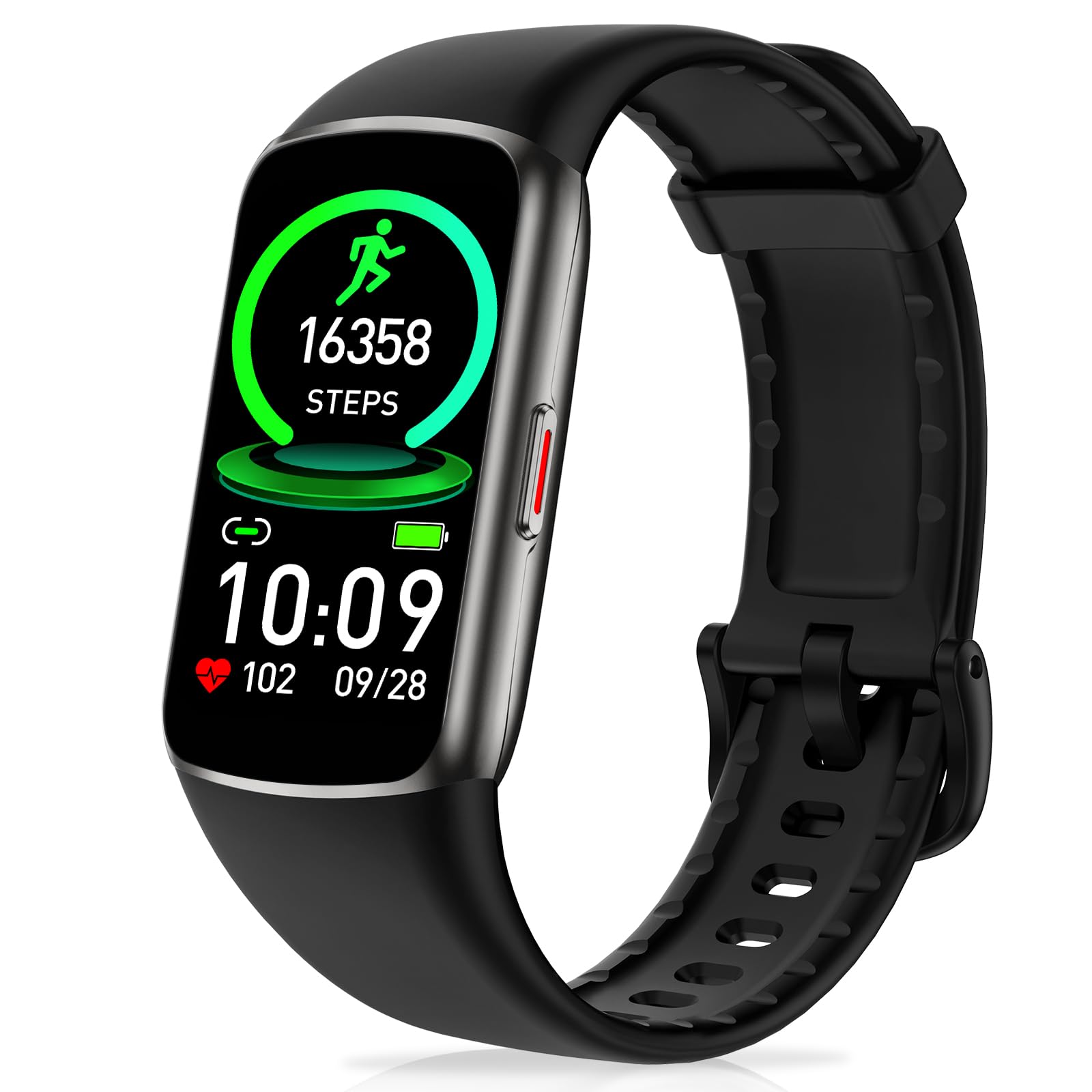
The Zeacool puts a 1.47-inch AMOLED display on a budget band and lists 123 sport modes. The screen is large for this end of the group, and the color panel makes steps, heart rate, and workout stats easy to read at a glance.

The rest is a familiar budget package: 24/7 heart rate, blood oxygen, sleep and temperature tracking, IP68 water resistance, and reminders for water, movement, and menstrual cycles. Treat the blood-oxygen and temperature readings as context, not medical data.

The long sport list is overkill; most people will use a handful of modes, and the app is the real question mark. Set it up immediately, check that notifications and syncing behave, and keep the packaging until you are sure. If you want a big screen and a low-cost way to log a variety of workouts, it is a reasonable budget choice. If proven accuracy matters, spend more.

Pros

  • 1.47-inch AMOLED display
  • 123 sport modes
  • IP68 water resistance
  • 24/7 heart rate, blood oxygen, sleep

Cons

No notable drawbacks to flag.

Our verdict

If a big AMOLED screen and a huge sport-mode list appeal more than app polish, the Zeacool is a low-cost tracker worth considering.

Check Latest Price
7

Slim Cycle Tracking

MorePro Fitness Tracker

93 /100
LBD Score Outstanding

Key details

Display
1.47 inches
Sports Modes
7
Women's Health
Cycle tracking
Water Resistance
IP68
View on Amazon

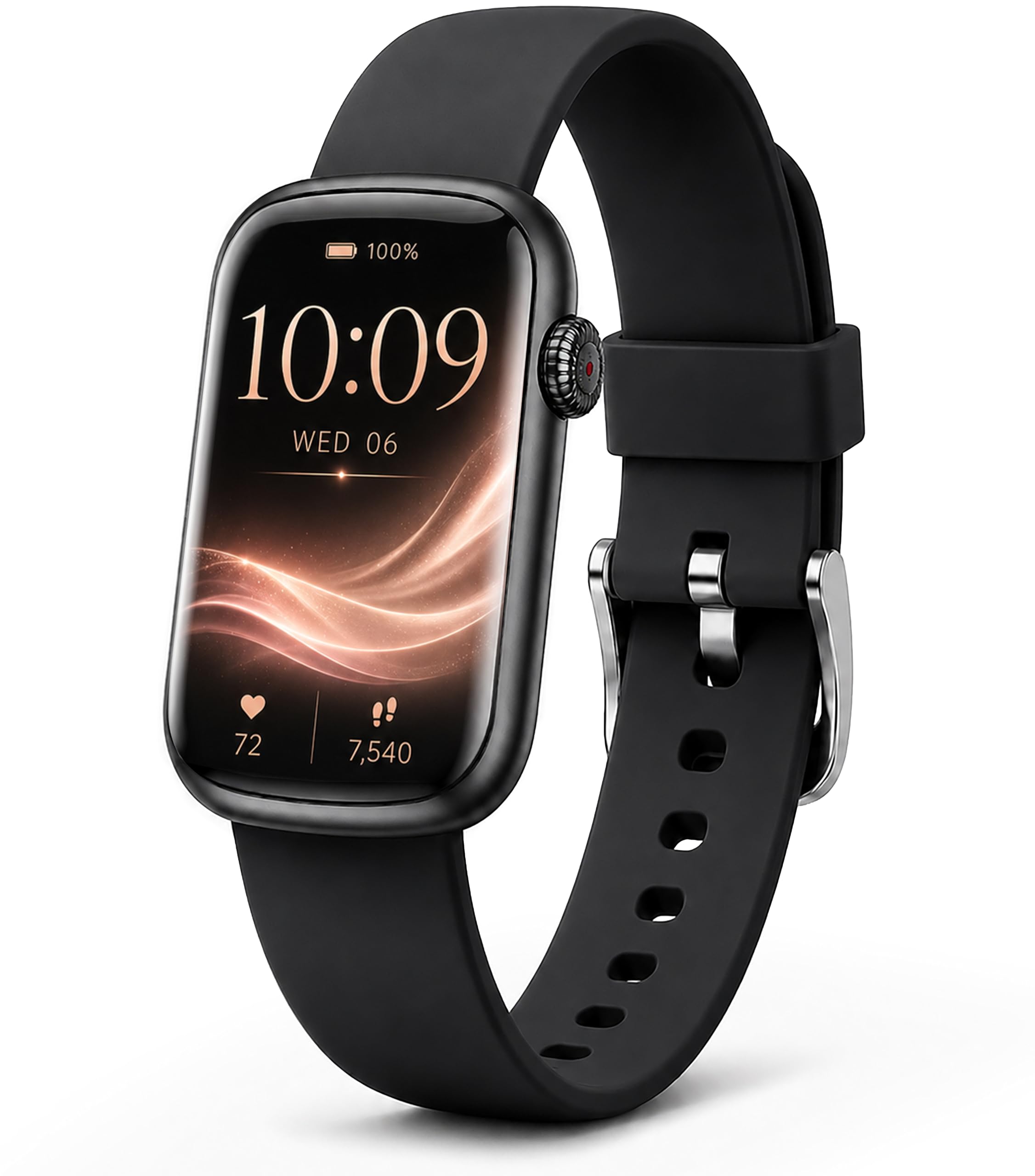
The MorePro is a slim tracker with a 1.47-inch display and a women's health calendar that tracks periods and ovulation. Its pitch is narrower than the Garmin's: seven sport modes, heart rate, blood pressure, blood oxygen, sleep, and the cycle features.

The seven modes cover walking, running, cycling, yoga, and the like, but this is not the tracker for structured interval training or route mapping. The blood-pressure readout is a trend, not a replacement for a cuff. Battery capacity is listed at 140 mAh, but runtime is not stated, so plan on charging more often than the week-long bands here.

As a slim, inexpensive everyday band with cycle features, the MorePro has a clear niche. The app and sensor accuracy are the unknowns, so set it up early and compare the step count on a familiar walk. If you want a pretty band that covers the basics and cycle tracking, it fits; if you need training data, look at the Garmin or Amazfit.

Pros

  • Slim 1.47-inch display
  • Women's cycle tracking
  • IP68 water resistance
  • Seven everyday sport modes

Cons

  • Workouts rely on phone GPS
Our verdict

For a slim, inexpensive band with cycle tracking, the MorePro is a style-first choice for everyday wear.

Check Latest Price

How We Tested: Six Months, 12 Trackers, One Wrist Each

We started by pulling every tracker we could find across the major price tiers, then cut the list using the things that decide whether you'll actually keep one on: stated battery life, whether the app demanded a subscription, phone compatibility, water resistance, and how much data the device shows without reaching for your phone. That left 12 trackers — screenless straps, full smartwatches, and inexpensive bands — which we wore for six months.

Each one got at least two weeks as a single tester's only wearable, worn overnight, in the shower, in the pool, and through runs, indoor cycling intervals, and strength sessions. To check heart rate we wore a chest strap on the same runs and compared the traces afterward, noting where a wrist reading spiked or flattened out. For steps, we walked a measured half mile counting by hand and compared the totals.

Sleep was the hardest part to fake. We logged our own middle-of-the-night wake-ups and checked the next morning whether the app caught them, and we noted which straps were comfortable enough to forget about at 2 a.m. Battery life came off the calendar, not the box — we wrote down the day each one died. Usability meant counting the taps it took to start a workout and timing a sync, while appearance and comfort meant checking for strap marks and irritation after a week of daily wear.

Value came down to what a year of use costs, membership fees included, set against what the app actually gave back. Reliability showed up as a pattern: readings that froze mid-session, apps that needed a phone restart, and heart-rate graphs that went suspiciously flat during hard efforts.

How to Choose a Fitness Tracker

Screenless or Screen?

A screenless band such as the Fitbit Air or Amazfit Helio Strap is the more comfortable choice for sleep and all-day wear. There is nothing to light up your wrist, and the lighter build disappears under a sleeve. The cost is glanceability: you cannot check pace or a notification without your phone.

A screened tracker such as the Garmin Vivoactive 5 gives you workouts, alerts, and stats on the wrist. That is useful if you run without a phone or like seeing your heart rate mid-set, but it adds weight, charging, and another screen to distract you. The trap is assuming screenless means less tracking; many screenless models still record heart rate, sleep, and SpO2, just without a display.

Battery Life and Charging

A week is the practical floor for a tracker you wear overnight. Below that, charging becomes a daily chore and sleep data gets gaps. The 10-day Amazfit Helio Strap and 14-day WHOOP 5.0 are the easiest here to live with; the Fitbit Air's five-day rating is fine if you keep a charger at your desk.

Battery claims need context. An 11-day smartwatch rating is not an 11-day GPS rating, and frequent syncing, SpO2 tracking, and bright screens all draw power. If you run with GPS several times a week, plan on charging more often than the headline suggests.

GPS: Built-In or Phone-Tethered

Built-in GPS is the feature that turns a tracker into a training tool. The Garmin Vivoactive 5 records routes and pace without a phone, which matters if you run, ride, or hike with your hands free. The Fitbit Air and Amazfit Helio Strap lean on your phone for location; that is fine if you carry it anyway.

Do not pay for GPS if you only walk the same neighborhood and leave your phone at home. But if you want accurate distance on new routes, built-in GPS is worth the extra size and cost. Check that the watch you choose lists the workout profiles you need rather than assuming every tracker has them.

The App and Subscription

The hardware is only half the purchase. You will spend more time in the app than looking at the band, so check whether the dashboard makes sense to you. Subscription-free options such as the Amazfit Helio Strap are appealing for that reason; WHOOP bundles a 12-month membership, so its value depends on using the coaching.

A premium app can be worth it if it changes your behavior, not just because it adds scores. Fitbit's Premium trial and WHOOP's coaching are the clearest examples here. If you mainly want steps, sleep, and heart rate, the free tiers on the budget picks cover the basics.

Accuracy, Fit, and Long-Term Reliability

Wrist trackers are estimates, not lab instruments. Step counts can rise during arm-heavy tasks, and heart rate can lag during high-motion intervals. Wear the band snug and above the wrist bone, then compare a known route or a manual pulse check before you trust the numbers.

Reliability matters more than another metric. Set up the tracker immediately, test syncing, and keep the return window open long enough to catch a band that will not hold a charge. A simple tracker that stays connected beats a feature-packed one that quits after a month.

Frequently Asked Questions

Final Verdict

The Garmin Vivoactive 5 is the fitness tracker we recommend for most people because it covers a full week of workouts, sleep, and recovery without daily charging. Built-in GPS and a readable AMOLED screen make it the one watch here that works as well on a run as it does overnight.

If you want a screenless band, choose the Fitbit Air for comfort and sleep, or the Amazfit Helio Strap if you lift and want to skip a subscription.