Best Robot Mops of 2026

Most robot mops fail in a boring way: they drag a damp cloth over the crumbs instead of picking them up, then wedge themselves under the same chair for the third time that week. A wet floor isn't a clean floor. The better machines in this batch finally changed my mind — they lift the mop when they hit a rug, scrub their own pads in hot water, and empty their own bins.

We spent eight months with eleven of these, from bare-bones models to all-in-one units with hulking docks, running them through kitchens, entryways, and bathrooms across hardwood, tile, and low-pile carpet. Price barely predicted how well a robot cleaned; it predicted how little I had to do afterward.

The spec sheet is where shoppers get misled. Suction numbers have climbed into the tens of thousands of pascals, and past a point nobody notices. What you notice is whether the mop reaches the baseboard, whether hair comes off the roller, and whether it makes it home to the dock. Here's what earned a spot.

1

Best Overall

dreame L40 Ultra Gen 2

87 /100
LBD Score Excellent

Key details

Mopping
Extendable spinning mop pads
Runtime
231 minutes
Suction
25,000Pa, 5 levels
Mop Lift
10.5mm
View on Amazon

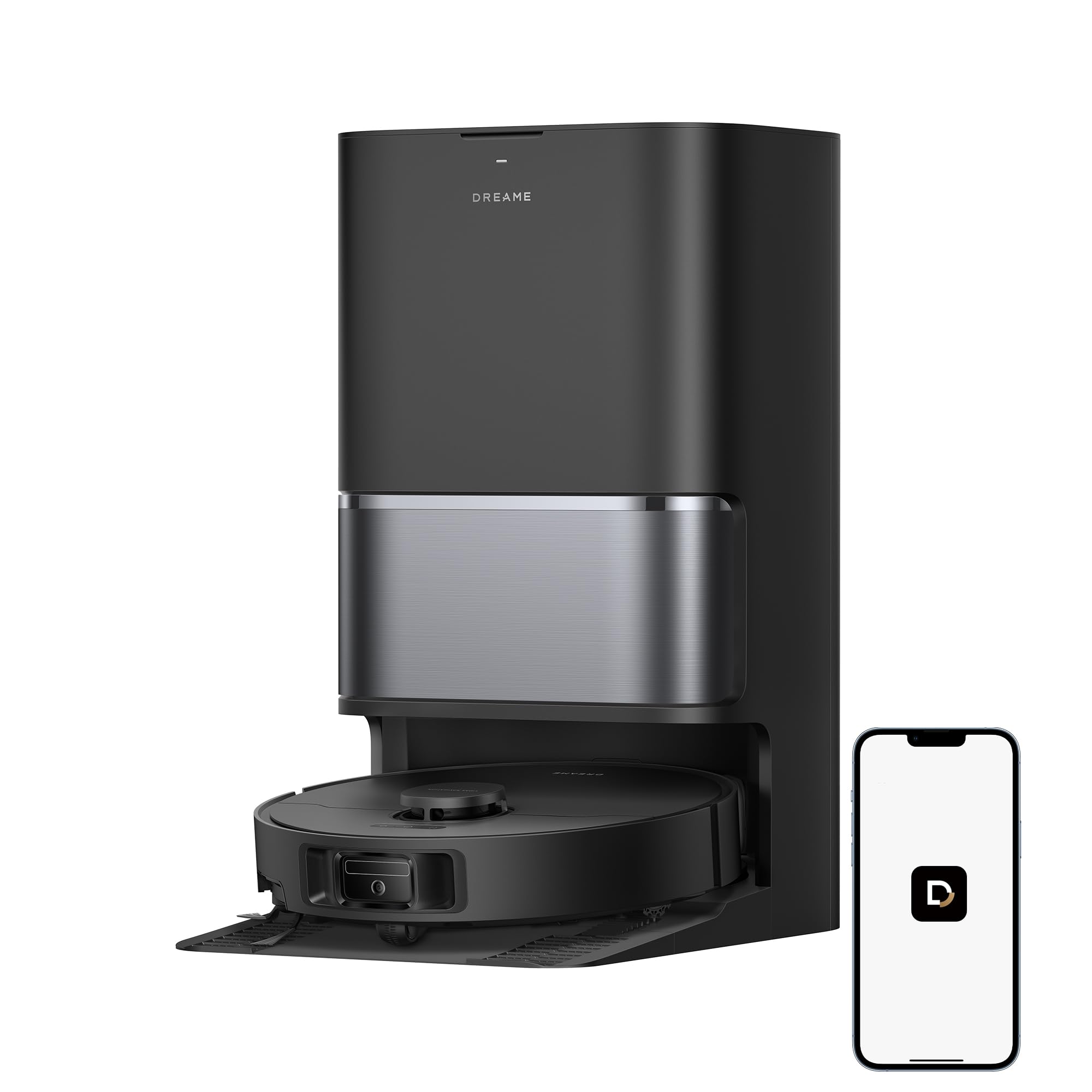
Corners are where robot mops give themselves away, and the L40 Ultra Gen 2 is the only machine here that does something about it. Its side brush extends past the chassis and the mop pad swings out with it, so the strip along the baseboard gets scrubbed instead of skipped. On our tile runs that strip came up clean while the round-pad robots in the same room left their usual dull line at the toe kick.

The mopping underneath the party trick is properly sorted. Two pads scrub, and the robot lifts them 10.5mm to cross a rug, which is enough for flat rugs and low pile and not enough for the deep-pile bedroom carpet, where a no-mop zone is the honest answer. Suction reaches 25,000Pa across five levels, the highest figure in this group, and the DuoScrub system keeps the pads wet rather than merely damp for the whole pass.

The dock is the other half of the story, and it's a complete one: it empties the bin, washes the pads, and dries them with hot air. Battery is rated at 231 minutes, the second longest here, and the Smart Pathfinder navigation mapped our rooms without the aimless wandering cheaper navigation still does.

The cost is real, since this is the second most expensive robot on the page, and the dock is a tall piece of furniture that needs wall space and an outlet rather than a slot under a cabinet. You'll also still rinse the wash tray and clear the filter now and then, so hands-free means weekly, not never.

Pros

  • Mop arm extends out to clean baseboards
  • Dock empties, washes, and hot-air dries
  • 25,000Pa, the highest suction in this group
  • 231-minute runtime, second longest here

Cons

  • Tall dock needs wall space and an outlet
Our verdict

If you keep noticing the dirty line along your baseboards, this is the robot mop to buy: the mop genuinely reaches, and the dock washes, dries, and empties without you.
Check Latest Price
2

Best Value

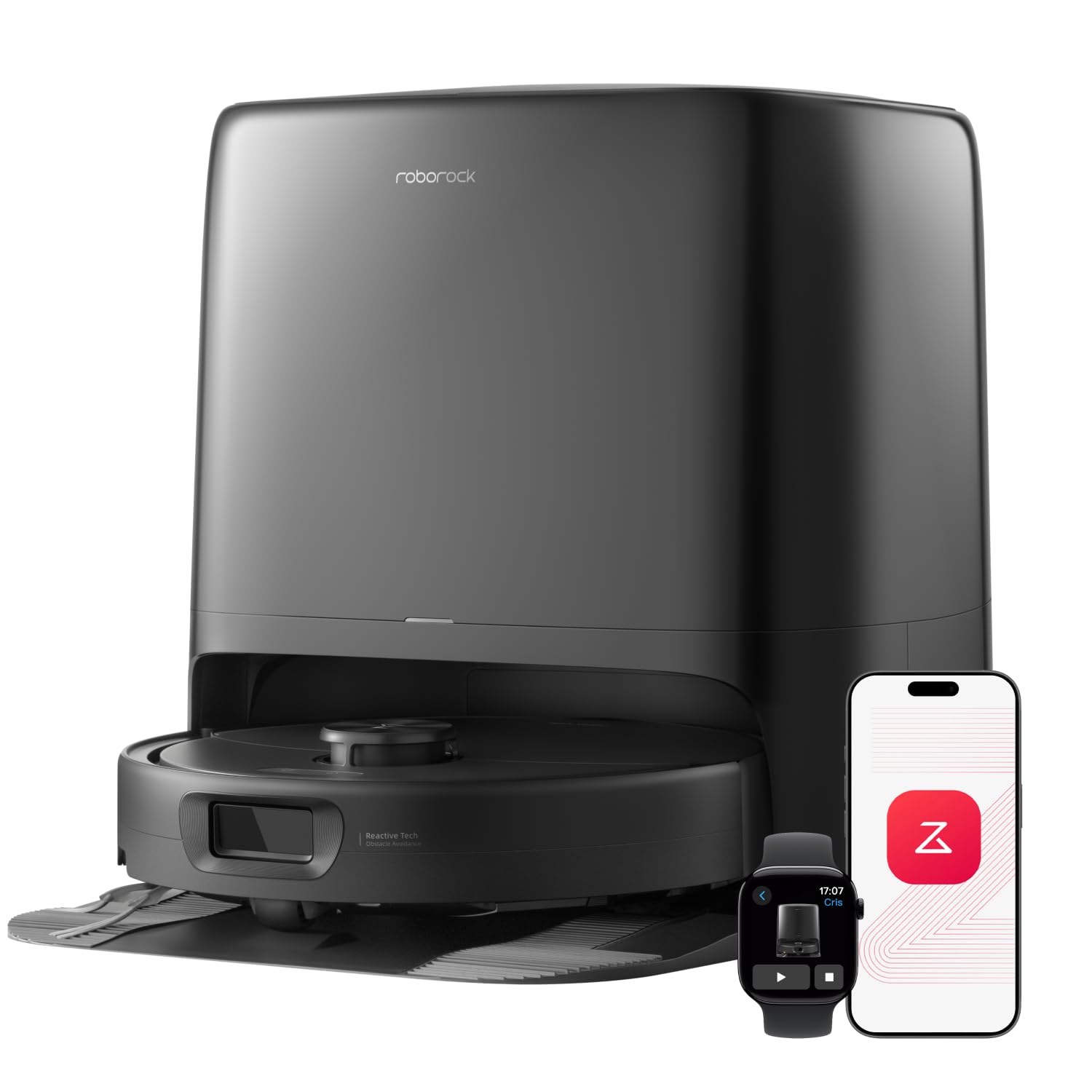
roborock Qrevo S Pro

84 /100
LBD Score Excellent

Key details

Dock
2.7L bag, 167°F wash, hot air dry
Mopping
Dual liftable spinning mops
Runtime
180 minutes
Suction
18,500Pa
View on Amazon

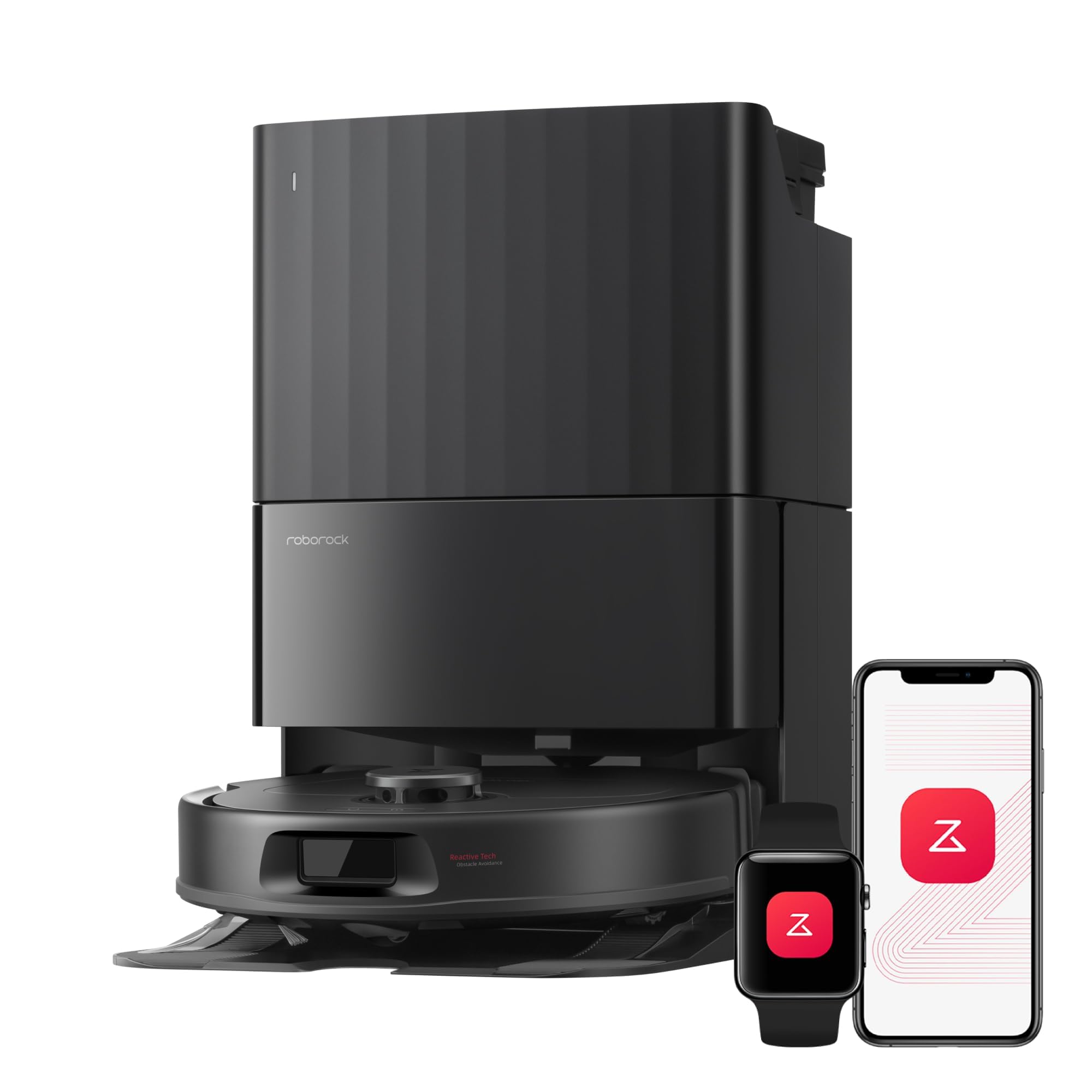
Four jobs happen on the Qrevo S Pro's dock without anyone touching it: the bin empties into a sealed 2.7-liter bag, the mop pads are washed in 167°F water, they're dried with hot air, and the onboard tank refills itself. Over a week that's the difference between a robot you run and a robot you maintain.

That's the reason it's our value pick. You get the same hands-free routine as the premium machines here for midrange money, and in daily use the gap is smaller than the price gap: dual spinning pads that lift for carpet, LiDAR mapping that got our floor plan right on the first run, and 60 dB in normal operation, which let us hold a conversation in the next room.

Deep pet hair is where it gives ground. Dust and long hair come up cleanly, but on carpet in a heavy-shedding house a single pass can leave strands behind, so the fix is two passes on the higher suction rather than one. That's a scheduling habit, not a repair.

Nothing about the machine feels stripped down. At 3.8 inches tall the body slides under low furniture that stops the taller machines here, and the multi-floor memory means the upstairs map doesn't overwrite the downstairs one. It's the one we suggest to anyone who wants the whole routine automated but can't justify premium money.

Pros

  • Dock empties, washes, dries, and refills
  • 167°F mop wash after every run
  • Full automation at a midrange price

Cons

  • Replacement dust bags every few weeks
  • Round pads stop short of the baseboard
Our verdict

The Qrevo S Pro is the robot mop we point most people to: it empties, washes, dries, and refills by itself, and it does all of that for midrange money.

Check Latest Price
3

Best for Pet Hair

eufy C28

89 /100
LBD Score Excellent

Key details

Dock
3L bag, mop wash and 50°C dry
Mopping
28cm roller, 270 RPM
Runtime
140 minutes
Suction
15,000Pa
View on Amazon

If your floors are mostly hard and something in the house sheds, start here. The C28's mop is a 28cm roller rather than a pair of spinning pads, and it rinses itself from 24 water ports while spinning at 270 RPM. That matters more than it sounds: a wet pad drags the same water around the room, while a roller lays down clean water and squeegees the dirty stuff back into the tank.

The rest of the package is aimed at the same household. The DuoSpiral brush is built to take hair up to 30cm without wrapping around it, the station empties into a 3-liter bag and then washes and dries the roller at 50°C, and navigation runs on LiDAR without a camera, so it picks up obstacles about the size of a small toy without filming your hallway to do it.

Where we land is that the roller earns its keep on hard floor. At 15,000Pa this is the least powerful of the premium machines here, and the station is a substantial piece of furniture at roughly 15 by 15 by 18 inches. In a carpeted house with a big dog the higher-suction picks are the better buy; on tile and hardwood we never felt short of power.

Pros

  • Roller mop rinses itself with fresh water
  • Handles hair up to 11.8 inches without wrapping
  • Station empties, washes, and dries the mop
  • Camera-free LiDAR navigation

Cons

  • 15,000Pa is the lowest of the premium picks
  • Station is bulky for a small flat
Our verdict

For hard floors and heavy shedders, the C28's self-rinsing roller mop and tangle-free brush are the combination we trust most in this group.

Check Latest Price
4

Best for Large Homes

roborock Qrevo 2 Pro

81 /100
LBD Score Excellent

Key details

Mopping
FlexiArm edge mop, auto removal
Runtime
253 minutes
Suction
20,000Pa
Edge Reach
1.85mm from walls
View on Amazon

Two hundred and fifty-three minutes. That's the runtime on the Qrevo 2 Pro, the longest in this group, and it's the figure that decides whether a robot finishes your floor or heads back to the dock halfway through. In a big single-story house it's the difference between a completed job and a job with a two-hour intermission.

The mopping holds up its end too. The FlexiArm mop swings out to within 1.85mm of the wall, closer than anything else here, and the robot lifts its pads and removes the mop module entirely when it moves onto carpet, so a mixed floor doesn't need you to intervene. At 54 dB it's the quietest machine on this page, which is the spec we appreciated most while sitting in the same room as it worked.

The sticking point is price. This is the most expensive robot here, and the value question is the one you'll be weighing while you decide. It also catches on cords and clutter the way most of this group does, so the useful habit is a two-minute tidy before a scheduled run rather than a rescue afterwards.

Pros

  • 253-minute runtime, longest in this group
  • FlexiArm mop reaches within 1.85mm of walls
  • 54 dB, the quietest machine here
  • Removes its own mop module for carpet

Cons

  • Most expensive robot in this group
Our verdict

In a large single-level home, the Qrevo 2 Pro finishes the job: 253 minutes, the quietest running here, and an edge mop that gets within 1.85mm of the wall.

Check Latest Price
5

Best Budget

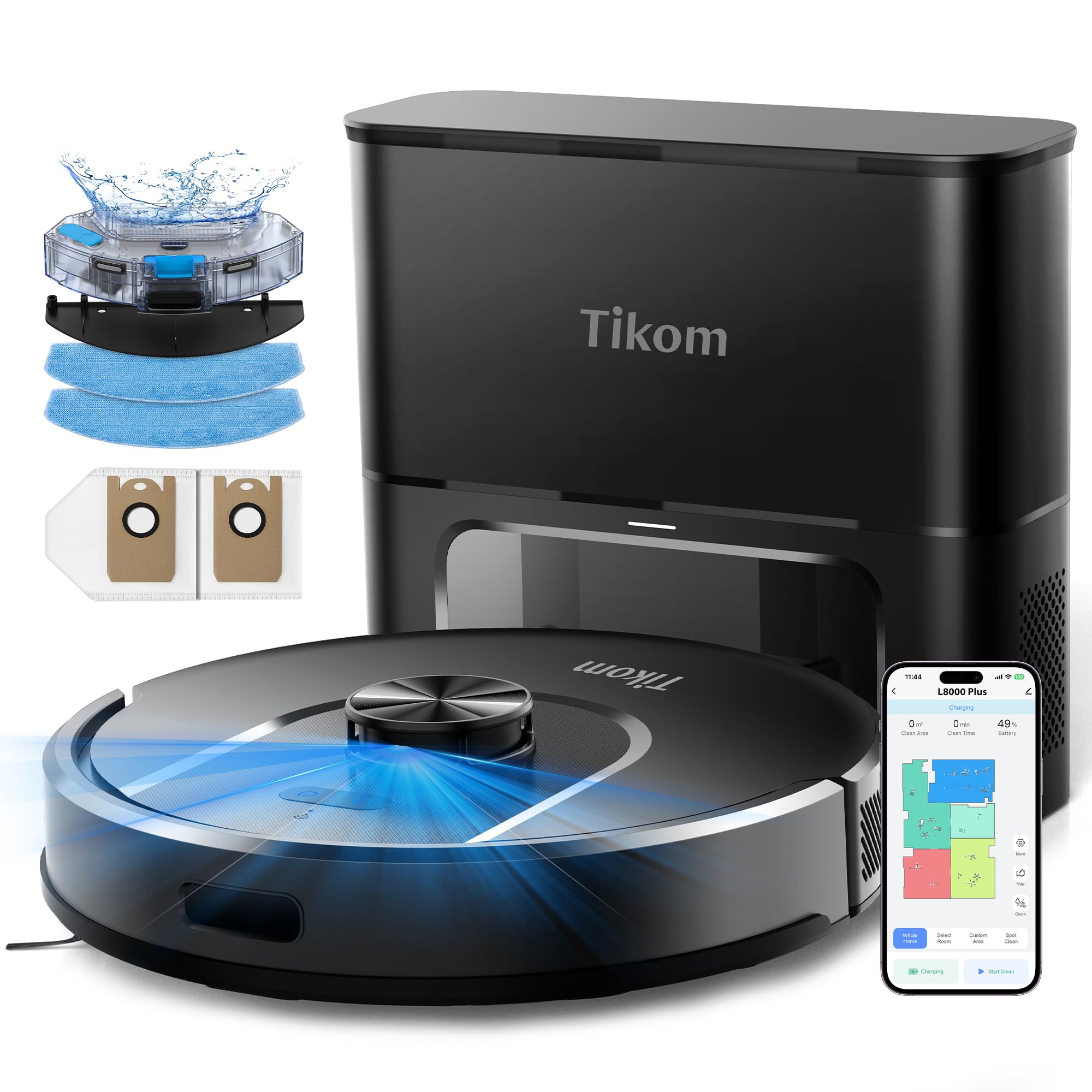
Tikom L8000 Plus

88 /100
LBD Score Excellent

Key details

Dock
3L self-empty bag, 90 days
Mopping
Pad mop, 3 water levels
Runtime
150 minutes
Suction
6000Pa
View on Amazon

A self-emptying base and real LiDAR mapping for less than any other self-emptying robot here: that's the L8000 Plus, and it's the pick we hand to anyone who wants the routine automated without spending much. The 3-liter bag takes about 90 days to fill, so bin duty drops to a handful of times a year, and the 360° LiDAR map is what lets you set no-go zones and send it to one room.

Cleaning is solid rather than spectacular. 6000Pa is the lowest suction among the self-emptying machines here, but it steps up automatically on carpet, and on tile and hardwood it lifted dust, hair, and crumbs without a second pass. The mop is the pad-and-water kind with three flow settings: enough for a daily damp wipe, not enough to lift a dried spill, and the higher flow setting is the one to use on sticky kitchen floors.

Where the money shows is the mop end of the routine. The docks on the pricier picks wash the pad, dry it, and refill the tank; here the pad is yours to rinse and the tank is yours to fill. That's the trade, and at this price it's a fair one, because you're buying the dust routine and the mapping rather than the whole job.

Pros

  • 3-liter bag lasts about 90 days
  • 360° LiDAR map with no-go zones
  • Cheapest self-emptying robot here

Cons

  • Lowest suction of the self-emptying picks
  • Mop pad and water tank stay manual
Our verdict

The L8000 Plus is the budget pick we keep coming back to: a 90-day self-emptying base and LiDAR mapping for less than any other self-emptying robot here.

Check Latest Price
6

Low-Clearance Furniture

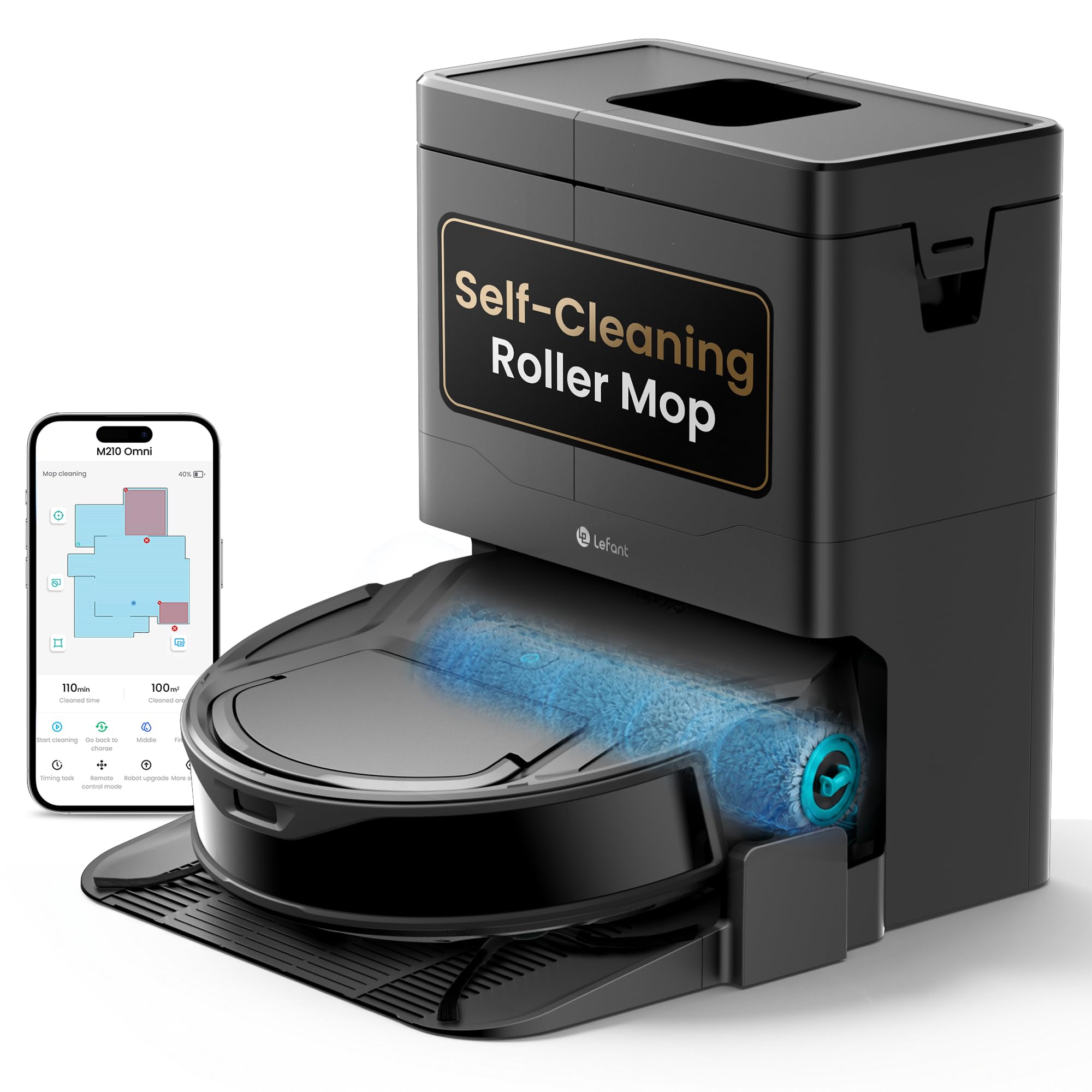
Lefant M210 Omni

87 /100
LBD Score Excellent

Key details

Mopping
Fresh-water roller, self-clean base
Suction
20,000Pa
Body Height
85mm (3.35 in)
Dust Capacity
800ml
View on Amazon

Eighty-five millimeters is the number that decides whether a robot mop is useful in a small apartment. At 3.35 inches tall and 11 inches across, the M210 Omni gets under sofas and beds that stop most of this group at the frame, and in a flat where the floor you can see is the only floor you clean, that's most of the value right there.

The mop is the other interesting part. Like our pet-hair pick, it uses a roller fed with fresh water rather than two pads circling in their own dirty water, and the base station washes and dries that roller between runs from a 2.4-liter clean tank and a 1.5-liter dirty one. An 800ml dustbin means fewer trips to the trash than the small-bin budget machines, and 20,000Pa is more suction than a body this size has any right to offer.

Runtime is the compromise. At 120 minutes it's the shortest in this group, which is plenty for a one-bedroom flat and not enough for a whole floor of a large house. Buy it for the clearance and the fresh-water roller, and accept that it's built for a smaller footprint than everything ranked above it.

Pros

  • 3.35-inch body fits under low furniture
  • Fresh-water roller with self-cleaning base
  • 800ml dustbin needs emptying less often

Cons

  • 120-minute runtime, shortest in this group
Our verdict

If your furniture sits low, the M210 Omni is where to start: 3.35 inches tall, a fresh-water roller mop, and a base that washes and dries it.

Check Latest Price
7

Multi-Floor Homes

iMartine D16S Max

87 /100
LBD Score Excellent

Key details

Dock
Bagless 1.3L dust cup
Mopping
150ml tank, 3 water levels
Runtime
180 minutes
Suction
18,000Pa
View on Amazon

No bags. The D16S Max empties into a 1.3-liter dust cup in its base instead of a sealed bag, so there's nothing to reorder and nothing to run out of mid-month. That sounds minor until you've owned a bagged dock for a year and worked out what the bags add up to.

The rest of the machine is aimed at a house with more than one floor. 360° LiDAR with SLAM stores five separate maps, so upstairs and downstairs keep their own layouts and no-go zones, and it climbs thresholds up to 18mm, which covers the lip between a hallway and a tiled kitchen in most older homes.

Mopping is the lighter end of its talents. A 150ml tank with three water levels gives a damp pass that keeps hard floors from showing footprints, and 18,000Pa handles the vacuuming side well enough. The 3.93-inch body is the tallest here, though, and that's the number that decides where it can follow you.

For a multi-level house on a midrange budget, the combination of bagless base, five maps, and threshold climbing is worth more than a fancier mop on a single floor. Walk your lowest furniture with a tape measure first: if the gap under the sofa is under four inches, this one stays out in the open.

Pros

  • Bagless 1.3L base holds about 45 days
  • Stores five separate floor maps
  • Climbs thresholds up to 18mm
  • 18,000Pa suction

Cons

  • 3.93-inch body, the tallest here
  • Mopping is a light damp pass
Our verdict

Five saved maps and a bagless base make the D16S Max the one for a two-story house, as long as your furniture sits at least four inches off the floor.

Check Latest Price
8

Tight Budgets

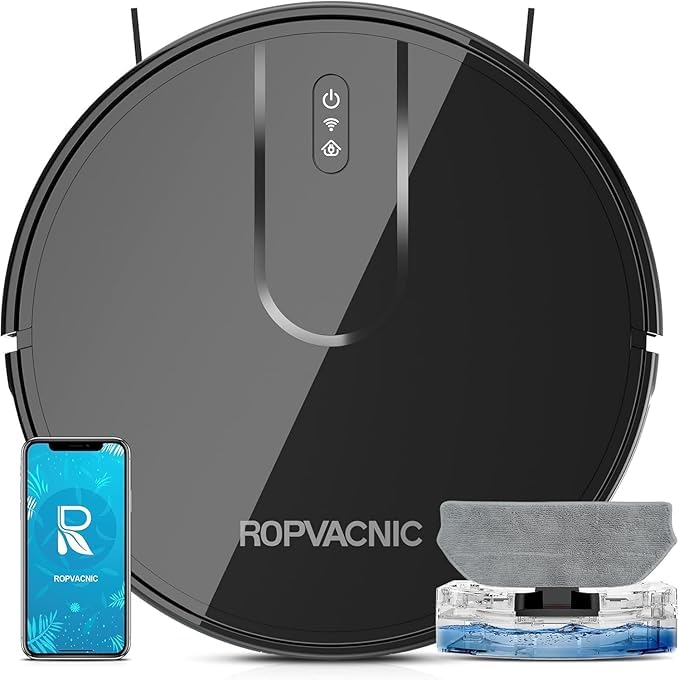
ROPVACNIC S1

87 /100
LBD Score Excellent

Key details

Mopping
Electric water tank, cloth pad
Runtime
120 minutes
Suction
5200Pa
Body Height
2.99 in
View on Amazon

This is the cheapest robot mop here by a wide margin, and the spec sheet doesn't read like it: 5200Pa of suction, a 2.99-inch body that slides under a bed frame, app, remote, and voice control through Alexa or Google, and 3.3kg you can pick up with one hand.

Cleaning is genuinely fine for the money. Dust, crumbs, and dog hair came up off hardwood in a single pass, and the electronically controlled water tank with its cloth pad leaves floors wiped rather than gritty. What it isn't is a scrubber, and a dried-on spill still needs a real mop and some pressure.

Getting stuck is the thing to know about. In our runs it found the edge of the living room rug and the gap between an end table and the sofa, which are exactly the places a three-inch-tall bumper loses to. The fix is boring rather than technical: lift the throw rugs before a scheduled run and keep cords off the floor, and it does the job on open hard floor.

For a first robot, a spare room, or a flat where the alternative is a broom and a bucket, the money is right. The part that gives us least confidence is the battery and charging, which is where the corners were cut, so treat it as a good first robot rather than a long-term fixture.

Pros

  • Lowest price of any robot mop here
  • 5200Pa suction in a 2.99-inch body
  • App, remote, Alexa and Google control

Cons

  • Charging and battery are the weak point
Our verdict

For a first robot mop or one hard-floor room, the S1 is the cheapest way into this group and still gives you app control, voice commands, and a decent damp wipe.

Check Latest Price

How We Tested Robot Mops in Real Kitchens

We started by pulling every robot mop we could find that had a self-emptying or self-washing dock, a lifting mop plate, an edge-reaching mop arm, a tangle-resistant roller, and app-based mapping, then cut anything missing two of those. That left eleven units, bought at retail and run in real homes rather than a lab — several with dogs and cats, several without.

For eight months, each one ran at least twice a day on hardwood and tile: flour flicked along the baseboards, dried tomato sauce left overnight, cereal under the kitchen table, and in the pet households, a week of accumulated fur in the entry. I timed battery life on the highest mopping setting, noted whether it finished the floor or stopped to recharge, and watched whether it climbed and tipped at the carpet transition or slowed and backed off.

Every stuck incident went into a log with its cause — charging cables, rug fringe, chair legs — along with whether the robot freed itself or waited to be rescued. I took decibel readings with a phone meter while standing in the next room on a call, unwound each roller after a pet-hair run to see how much wrapped, and inspected the mop pads after their own hot-water wash cycles for staining and smell. Docking got its own tally, since a robot that can't park itself isn't hands-free.

Value came down to a simple question rather than a price ranking: how many of these chores did I actually stop doing myself? A machine that needed rescuing twice a week, with a pad I had to rinse by hand, cost more in the end than one that quietly handled both.

How to Choose a Robot Mop

Decide how much of the routine you want to keep

There are three levels of automation, and they change weekly life more than any spec. A basic base charges the robot and nothing else: you fill the tank, rinse the pad, and empty the bin. A self-emptying base takes the dust off your hands, which is most of the mess. A full dock empties, washes the mop, dries it, and refills the water.

We think the full dock is worth the money if you'd otherwise let a wet pad sit in the machine for days. If you're honest enough to rinse a pad after each run, a cheaper self-empty base like the Tikom L8000 Plus does the part that actually annoys people.

Pads, rollers, and spinning discs mop very differently

A flat pad wipes; it's a damp cloth dragged across the floor, fine for dust and light film and close to useless on anything dried on. Two spinning discs scrub and lift, and the better ones swing out to reach a baseboard. A roller is fed with clean water and squeegees the dirty water back into the tank, so it isn't redistributing the same grime.

Match the mechanism to the floor. All hard floor with pets or kids, and a roller earns its price. A mix of hard floor and rugs, and spinning discs plus a mop that lifts are easier to live with.

Carpet is where mopping goes wrong

Mop lift is the height a robot raises its pads when it crosses onto carpet. In this group it runs to about 10mm, and the best machines also detach the mop entirely. That clears flat rugs and low pile. It does not save a deep-pile bedroom rug, and a damp carpet is a smell problem, not just a wet one.

So use no-mop zones rather than trusting the lift, and mark out the rugs you care about during the first mapping run. It takes two minutes and saves the rug.

Suction numbers don't tell you how well it mops

Pascal ratings are measured differently from brand to brand, so a 6,000Pa robot here cleaned hard floors as convincingly as an 18,000Pa one. What actually matters for a mop is whether the water is clean, whether the head reaches the wall, and whether the pad is washed before it dries.

Given a fixed budget, we'd put the money into the mop system and the dock every time. Suction matters most in a carpeted house; on tile and hardwood, almost anything here picks up a day's dust.

Measure the robot, the dock, and the floor plan

Body height in this group runs from 2.99 to 3.93 inches, which is the difference between cleaning under a sofa and parking beside it. Measure the lowest gap you care about before you order anything. Then measure the wall space for the dock: they're furniture, and the tall ones need clearance above as well as beside.

Runtime matters just as much. 120 minutes covers a one-bedroom flat comfortably and will leave a large single-story house half done; 250 minutes finishes it. If your floor plan is bigger than the cheaper robots can manage in one charge, you'll notice the shortfall every week.

Frequently Asked Questions

Final Verdict

Our pick is the dreame L40 Ultra Gen 2. It's the only robot here whose mop genuinely reaches the baseboard, and its dock washes, dries, and empties without a second thought from you. That combination is what stops a robot mop becoming a gadget you stop running.

If the price is a step too far, the roborock Qrevo S Pro does the same four dock jobs for midrange money and gives up only the last inch at the wall. Want to spend the least and still skip bin duty? The Tikom L8000 Plus is the cheapest self-emptying robot on this page.