Best Earbuds for Small Ears of 2026

Almost anyone shopping for earbuds for small ears has already lost a fight with a pair that didn't fit. Mine slid loose around mile two of every run, and by mid-morning at my desk the ache had set in at the hinge of my jaw. The tip usually isn't the culprit — it's the shell, the hard plastic body that has to settle into the bowl of your ear. Put the smallest tip in the box on a full-size bud and something still presses where it shouldn't.

The fix comes in a few forms: tiny shells, shallow nozzles, earhooks, and clip-on open-ear designs that never enter the canal at all. Over six months, my team and I wore twelve pairs built around that idea, from low-profile sleep buds to sport hooks, and the differences came down to minute-by-minute comfort. One thing worth knowing before you scroll: smaller buds usually mean smaller batteries, so treat a big playtime claim on a tiny earbud with suspicion.

Below are the ones we kept reaching for — judged at hour three, not in the box.

1

Best Overall

Back Bay Tempo 30

86 /100
LBD Score Excellent

Key details

Fit Style
In-ear mini
Battery Life
8 hours (32 with case)
Ear-tip Sizes
6
Water Resistance
IPX7
View on Amazon

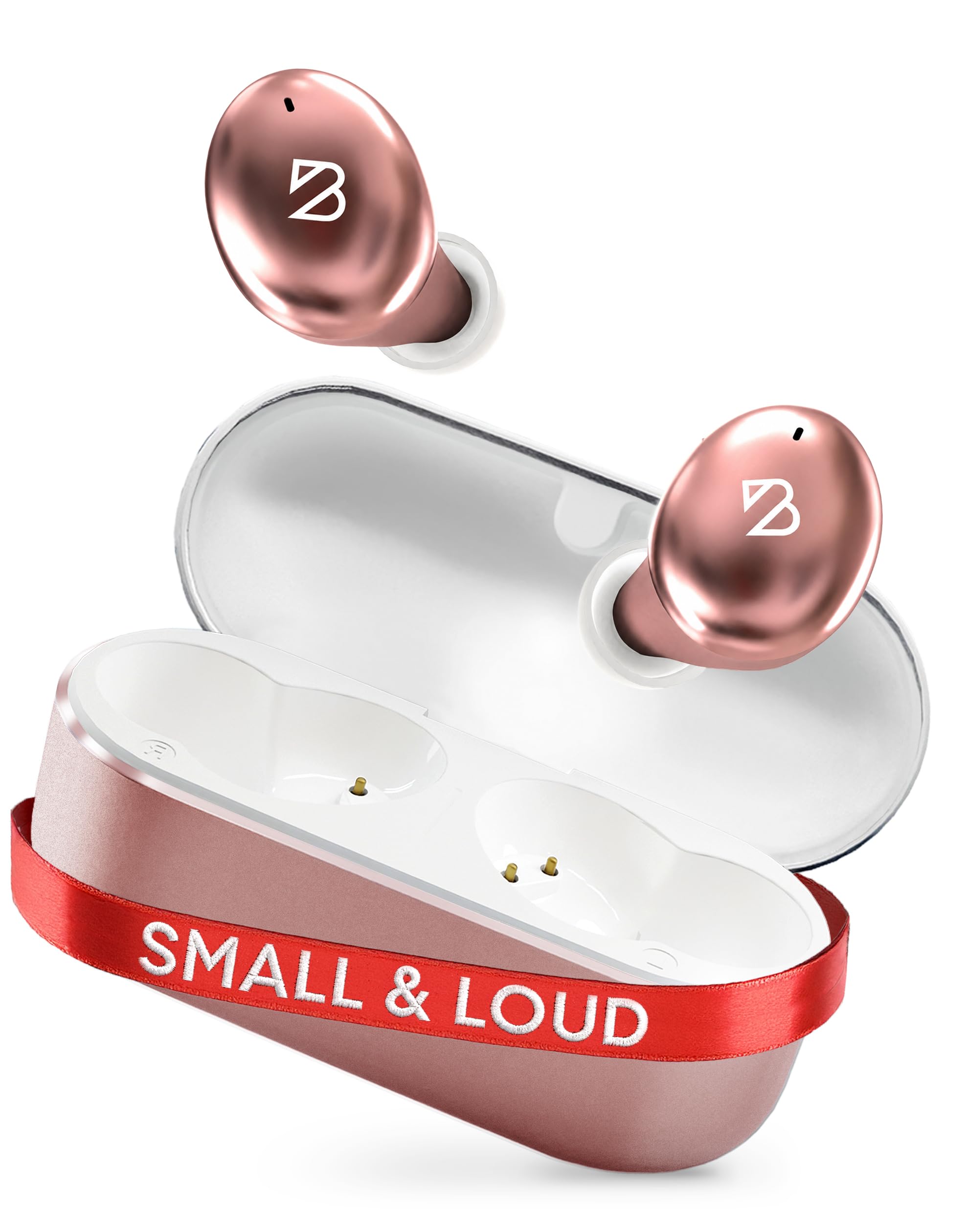
Six pairs of ear tips is the detail that sold us on the Tempo 30. Most mini earbuds give you three sizes and call it a day; Back Bay includes six, which matters when one ear canal is narrower than the other or the smallest standard tip still feels loose. The bud itself is slim and sits low in the ear, so it doesn't fight the fold of a small ear. That fit kit gives you something to adjust before you decide the shape is wrong.

The rest of the package is built for daily use. Back Bay rates the buds at eight hours per charge and 32 hours with the case, which is enough for a workday plus a commute, and the case is small enough to live in a pocket. IPX7 water resistance is a useful upgrade if sweat or rain is part of your day, and the 8mm drivers have an extra bass mode if you want more low end. We didn't expect a small-ear pair to feel this complete.

We treat the return window as part of the purchase with any mini earbud. Pair both buds, take a call, walk away from your phone, and make sure the case charges reliably before you commit. That routine is worth more than a spec sheet for a pair this small, especially if you plan to wear it for hours at a time.

For most people with small ears, that's a fair trade. The six-tip fit is the reason to start here; the battery and water resistance make it easy to keep using. If you want the absolute smallest bud, the JLab is the lighter choice, but the Tempo 30 gives you more chances to get the fit right.

Pros

  • Six ear-tip sizes for a custom fit
  • Eight hours per charge, 32 with case
  • IPX7 water resistance for sweat and rain
  • Slim, low-profile in-ear shape

Cons

  • Long-term reliability is the weak spot
  • Bluetooth can drop out
Our verdict

For most small ears, the Tempo 30 is the safest buy: six tip sizes, a slim in-ear shape, and enough battery to get through a workday.

Check Latest Price
2

Best Ultra-Compact

JLab JBuds Mini

84 /100
LBD Score Excellent

Key details

Weight
3.3 g per earbud
Fit Style
In-ear mini
Battery Life
5.5 hours (20 with case)
Water Resistance
IP55
View on Amazon

At 3.3 grams per bud, the JBuds Mini is the pair that makes the least sense to complain about. JLab lists it as 30% smaller than the GO Pop+, and the difference is easy to feel when you're used to a standard bud pressing against the bowl of your ear. The case is small enough to disappear into a pocket, too. If your problem is bulk, this is the shortest route to a fix.

The feature set is unusual for something this tiny. You get Bluetooth multipoint, four EQ presets in the JLab app, Be Aware mode, and a volume limiter. The 5.5-hour per-charge runtime is fine for a commute or a workout, and the case carries 20 hours total. IP55 keeps sweat and dust from being an immediate worry. We think the app is worth using for the volume limiter alone if you listen at high levels.

The compromise is total battery. Twenty hours in the case is well short of the 32-hour Back Bay, so this is a pair to drop on a charging puck every couple of days. If you're already charging a phone at your desk, that's a small habit to build. The touch controls are also easier to remap in the app than to learn by tapping.

That's the buyer: someone who has tried the usual small tips and still feels a bud pressing outward. The JBuds Mini sits closer to flush, and the app lets you tune the sound rather than accept it. For everyone else, the Back Bay's six tip sizes are the more flexible way to solve a small-ear fit.

Pros

  • 3.3 g and 30% smaller than GO Pop+
  • Multipoint and four EQ presets
  • IP55 sweat and dust resistance

Cons

  • Connectivity can be finicky
  • Long-term durability is a question mark
Our verdict

If your main complaint is that every bud feels too big, the JBuds Mini is the one we hand over first: small, light, and easy to live with.

Check Latest Price
3

Best for Workouts

WUYI Q61

88 /100
LBD Score Excellent

Key details

Fit Style
Earhook
Driver Size
13.4 mm
Battery Life
7 hours (48 with case)
Water Resistance
IP7
View on Amazon

Earhooks are the blunt solution to a small ear that won't hold a bud, and the Q61 uses them well. The in-ear head is small, the soft silicone loop sits outside the canal, and the whole thing stays put without asking you to jam a tip deeper. For a run, a hike, or a shift on your feet, that's the difference between listening and constantly re-seating.

WUYI packs a 13.4mm graphene driver, 7 hours per charge, 48 hours with the case, and IP7 water resistance into the package. The bass is the point—this is a sport bud, not a neutral monitor—and the touch controls handle volume and calls. We think the earhook is the reason to choose it over a standard mini bud; the 48-hour case is a useful bonus, not the main event.

We treat the return window as part of the purchase with any earhook bud. Run both sides through a few charge cycles, take a call on each, and check that the hook doesn't rub where your glasses sit. That routine matters more than the headline battery number, especially if you plan to sweat in them.

For small ears that need grip more than discretion, the Q61 is the pair that makes sense. It won't disappear under a helmet or sleep against a pillow, but it will stay in during the activities that usually knock a bud loose.

Pros

  • Soft earhooks hold small in-ear heads
  • Seven hours per charge, 48 with case
  • IP7 water resistance for workouts

Cons

  • Battery life can be inconsistent
  • Long-term durability is a concern
Our verdict

For runs, yard work, or any day when buds slide out, the Q61's soft earhooks keep a small in-ear head in place.

Check Latest Price
4

Best Open-Ear

Kinglucky Clip-On Gen 3

86 /100
LBD Score Excellent

Key details

Fit Style
Open-ear clip
Driver Size
13 mm
Battery Life
7 hours (50 with case)
Water Resistance
IPX5
View on Amazon

If in-ear buds make your ear canals ache, the Kinglucky's open-ear clip is the obvious alternative. The driver sits outside the canal and the hook wraps behind your ear, so nothing plugs you up. That's a different kind of small-ear fit: instead of shrinking the bud, it moves the pressure away from the part that hurts. The thin hook is easier to pair with glasses than a bulky sport hook.

Kinglucky claims 7 hours per charge, 50 hours with the case, and IPX5 water resistance. The 13mm driver gives it more body than you might expect from an open design, and the touch controls cover calls and playback. The open-ear awareness is the feature we kept coming back to—you can hear a coworker or a car without pulling a bud out. The case is a pocketable size, too.

The clip takes a moment to seat correctly. Set the hook before you judge the sound, because a loose clip makes any open-ear bud sound thin. We also treat the return window as part of the purchase: wear it for a full workday before deciding the pressure is right. For a quiet office or a walk where you want to hear traffic, the fit is worth dialing in.

For small ears that feel crowded by silicone tips, this is the pair that changes the experience. It won't replace an in-ear for bass or quiet, but it solves a problem the others can't.

Pros

  • Open-ear clip avoids canal pressure
  • Seven hours per charge, 50 with case
  • IPX5 water resistance
  • Thin hook works with glasses

Cons

  • Open design lets in outside noise
Our verdict

For small ears that hate the plugged-up feeling, the Kinglucky clip-on stays outside the canal and still holds on.

Check Latest Price
5

Best for Side Sleepers

Yihou SK18

82 /100
LBD Score Excellent

Key details

Weight
0.08 oz per earbud
Fit Style
In-ear mini
Battery Life
4 hours (24 with case)
Water Resistance
Waterproof
View on Amazon

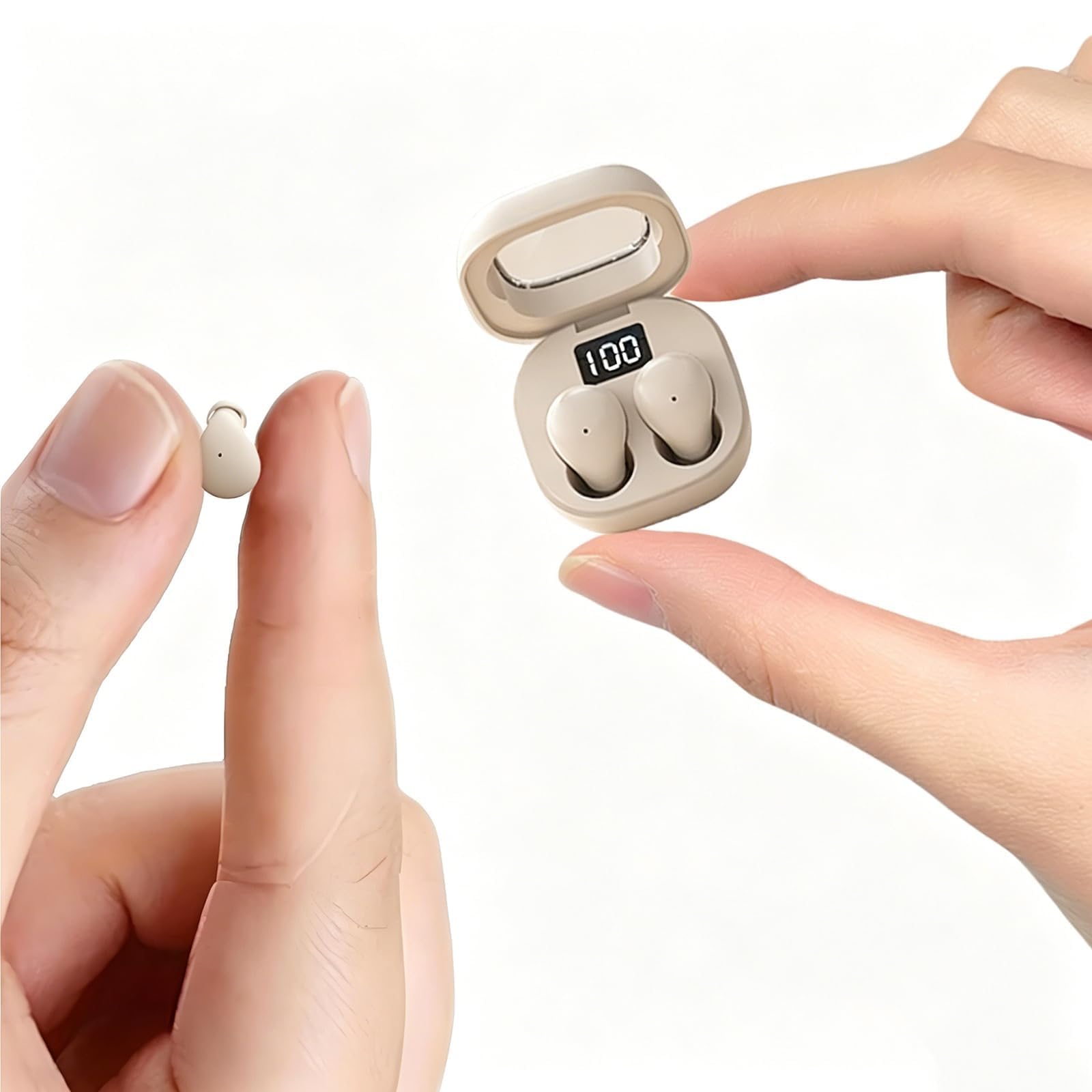
Side sleeping is the test that exposes most mini buds. The Yihou SK18 weighs 0.08 ounce per earbud, and its rounded, low-profile shell is shaped to sit in the bowl of the ear rather than press against the pillow. We like that it doesn't ask you to choose between a bud that disappears and one that stays in; the small shell and light weight do most of the work.

Yihou rates the buds at 4 hours per charge with a 24-hour case, and the case charges over USB-C in about an hour. Bluetooth 5.3 handles pairing, touch controls cover playback and calls, and the waterproof shell is useful if sweat or light rain is part of your day. We think the sound is tuned for podcasts and background music rather than critical listening, which fits the sleep-bud brief.

The four-hour runtime is the honest limit. That's a nap or part of a night, not a full eight hours, so heavy sleepers should expect to recharge the case more often. We treat the return window as part of the purchase and test both buds through a full charge cycle before trusting them.

For the money, the SK18 is a specialized tool: a tiny, comfortable bud for side sleepers and quiet listening. It isn't the pair for a noisy commute or a bass-heavy playlist, but it solves the problem it was built for.

Pros

  • 0.08 oz per earbud
  • Comfortable for side sleeping
  • 24-hour charging case

Cons

  • Bluetooth can be finicky
  • No stated warranty
Our verdict

If you want to fall asleep with a podcast and wake up with both buds still in, the Yihou SK18 is the small-ear pick we reach for.

Check Latest Price
6

Best Wired

Joysico YS1 Wired

87 /100
LBD Score Excellent

Key details

Ear Tips
6 silicone + 2 foam
Fit Style
Wired earhook
Connection
3.5 mm jack
Water Resistance
Waterproof
View on Amazon

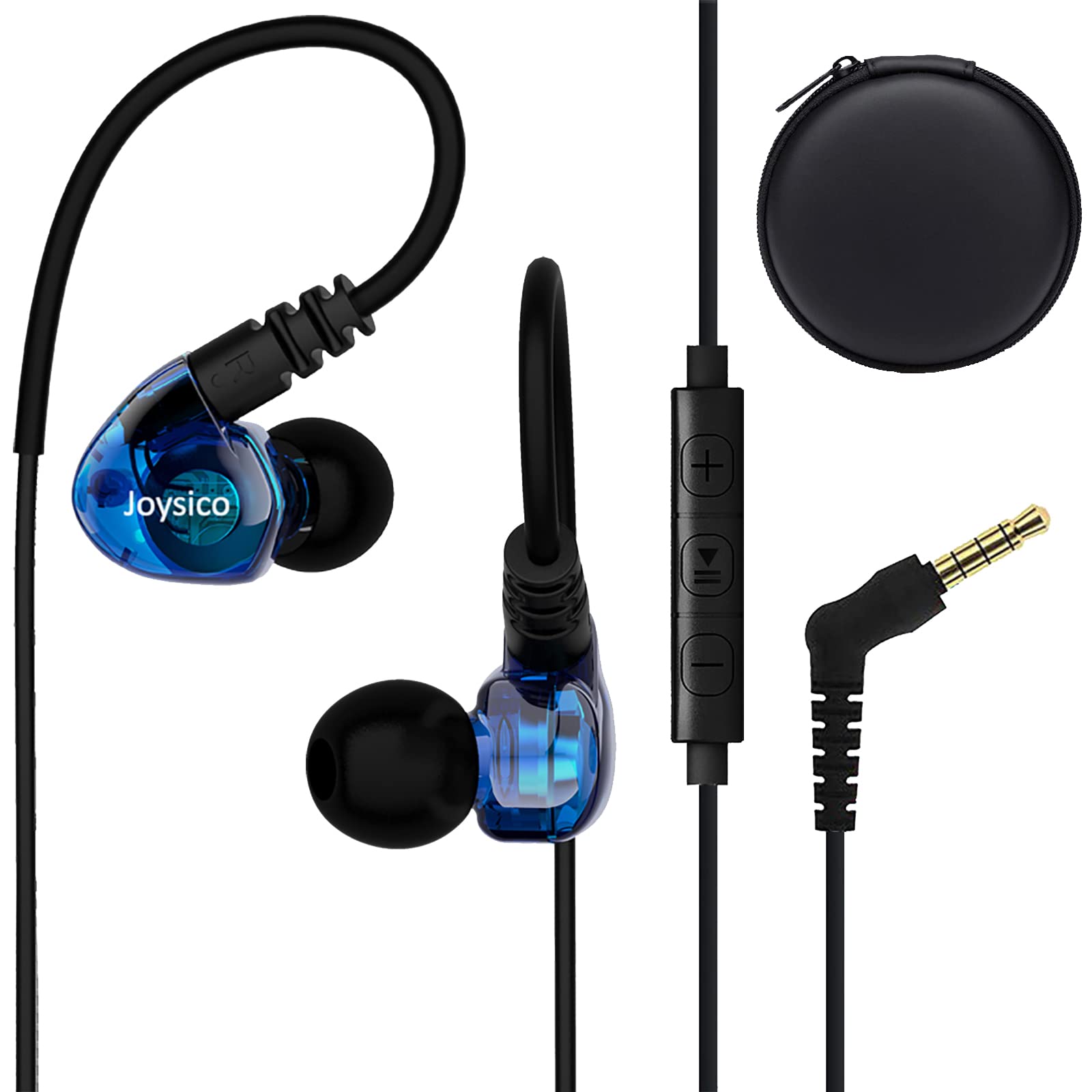
Not every small-ear solution needs a battery. The Joysico wired earhook uses a 3.5mm plug, a soft over-ear loop, and a small in-ear head, and it stays put without charging, pairing, or app setup. For a kid, a travel bag, or a desk with a headphone jack, that simplicity is the feature. We like that it comes with six silicone tips and two memory-foam tips, so you can dial in the seal before the earhook has to save the fit.

The 13mm driver gives it a fuller sound than the price suggests, and the in-line mic and volume control are where your hand expects them. The cable is thicker than a typical earbud cord, and the earhook is soft enough to wear for a long walk. It is described as waterproof; we keep it out of standing water, but sweat and light rain are within its comfort zone.

The limitation is obvious: it's wired. A 3.5mm jack is increasingly rare on phones, so you may need an adapter, and the cable is one more thing to manage. Treat it as a budget tool rather than a buy-it-for-life pair, and keep the adapter with the earbuds so you're not caught without it.

For kids, classrooms, or anyone who wants a secure small-ear fit without charging, the Joysico is the pair that stays in the bag and works. It won't replace a wireless pair for the gym, but it doesn't need to.

Pros

  • Soft earhook holds small ears
  • Six silicone and two foam tips
  • No charging or pairing
  • 13mm driver and in-line mic

Cons

  • Durability is mixed
Our verdict

For kids, travel, or anyone tired of charging, the Joysico wired earhook stays put and costs little.

Check Latest Price
7

Discreet Sleep

Ttbesmi SK19

79 /100
LBD Score Very Good

Key details

Weight
0.08 oz per earbud
Fit Style
In-ear mini
Battery Life
4 to 5 hours
Water Resistance
Waterproof
View on Amazon

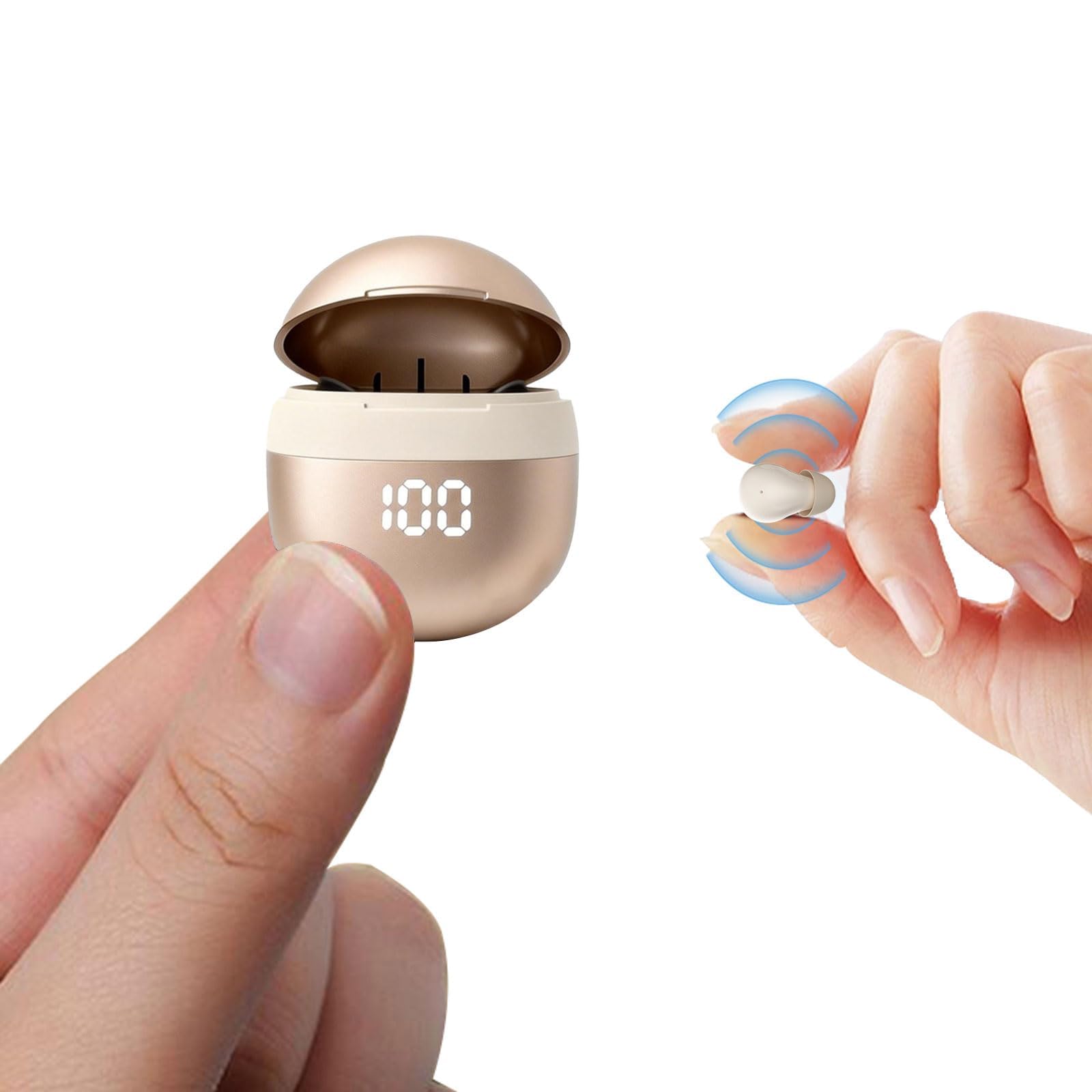
Discreet is the whole point of the Ttbesmi SK19. The nude shell and 0.08-ounce bud are designed to sit deep in the ear and disappear, which is why it appeals to anyone who wants background audio at work without a visible pair of headphones. We were glad to see a digital display on the case, since a tiny bud with a tiny battery needs all the charge clues it can get.

The SK19 uses Bluetooth 5.3, touch controls, and a waterproof shell, and it runs 4 to 5 hours per charge. The sound is aimed at podcasts and casual listening; it isn't the pair for bass-heavy music or calls in a noisy room. The tiny shell is the reason to consider it, not the audio spec sheet.

This is a niche pair, not a daily driver. The tiny shell and low price make it tempting as an everyday bud, but the SK19 is at its best for quiet listening at a desk or in bed. We treat the return window as part of the purchase and test both buds through a full charge before relying on them.

If you want an invisible bud for a desk job or a nap, the SK19 is worth a try. If you need a pair that will survive a commute and a gym bag, spend more on the Back Bay or JLab.

Pros

  • 0.08 oz per earbud
  • Skin-tone shell is genuinely discreet
  • Digital charge display on case

Cons

  • Connectivity can be unreliable
  • Battery life runs short
Our verdict

If you want a bud that disappears against skin and costs little, the Ttbesmi SK19 is worth a try, but test both buds early.

Check Latest Price

How We Tested the Best Earbuds for Small Ears

We started by pulling every pair we could find that was marketed toward small ears or built on a genuinely compact shell, then measured the ones we bought, since listings rarely publish shell diameter. Anything that was only "small" because it threw in extra-small tips got filtered out, and we made sure the final twelve included wired and clip-on styles, a couple of low-profile sleep designs, and at least one option that works with glasses.

Each pair went into daily rotation for at least two weeks. Two of our testers have unusually narrow canals, one wears glasses, and one sleeps on her side. We wore them through work calls, a five-mile run, gym sessions, and a nap or two, and logged the moment a bud started to slip or ache rather than just noting that it eventually did. We weighed each earbud, measured the shell at its widest point, and checked whether swapping in the smallest tip actually changed how deep it sat.

For sound, we listened to the same short playlist and podcast on every pair and noted whether bass felt thin or boomy and whether vocals got buried. Each one went into a busy cafe so we could hear how much room noise leaked in and whether the mic held up on a call. Battery life we logged by running each pair at moderate volume until it died, then compared the result to the claim.

Durability got the least gentle treatment: pairs rode loose in a bag with keys, and the sport-rated ones got rinsed under a faucet afterward. For connectivity we left a paired phone in another room and walked to the far end of the apartment, and we switched between a laptop and a phone to see how cleanly multipoint handed off. Value came down to one question — was the pair that fit best also the one we'd hand to a friend without apologizing?

How to Choose Earbuds for Small Ears

Start With Ear Tips, Not the Mini Label

Small ear canals vary in width, bend, and depth, so a bud marketed as mini can still bottom out or press in the wrong place. What usually saves the fit is a choice of tip sizes and a slim nozzle that lets the tip sit shallowly. Six tip sizes, as on the Back Bay Tempo 30, give you more room to experiment than three. Start with the smallest tip, wear it for 20 minutes, and return the pair if you feel pressure rather than a seal.

Match the Fit to How You'll Wear Them

An in-ear mini is the least visible choice and the easiest to wear under a hat, but it relies on a good seal. Earhooks add grip for running, yard work, or anything where you sweat; the WUYI Q61 is built around that idea. Open-ear clips move the driver outside the canal, which helps if silicone tips ache, but they let in more noise. Choose the shape around your activity first, then worry about the spec sheet.

Battery Life Is a Size Trade-Off

Small buds have less room for a battery, which is why you see 4-hour sleep buds and 8-hour everyday buds in the same category. Per-charge runtime matters most for work and travel; total case capacity matters for how often you remember to charge. A four-hour bud can cover a nap or a short night, but not a full night's sleep. Match the number to the way you actually listen, not to the biggest figure in the listing.

Test the Connection and Controls Early

Touch controls are common on tiny buds, and they can be fussy when you're adjusting the fit. A button is easier to use with cold hands or gloves, while an app with remapping and a volume limiter is worth the setup. Connectivity is the other wild card: pair both buds, walk away from your phone, and take a call on each side during the return window. That 20-minute test tells you more than a spec sheet.

Know When Wired Makes More Sense

A wired earhook is still the simplest answer for kids, classrooms, and travel: no charging, no pairing, and no case to lose. The trade-off is a 3.5mm jack, which many phones no longer have, so budget for an adapter if you need one. The Joysico pair includes six silicone tips and two foam tips, which is more fit variety than most wireless buds at its level. If charging is the friction point, wired wins.

Frequently Asked Questions

Final Verdict

For most small ears, we recommend the Back Bay Tempo 30. Six tip sizes give you a real chance of a seal without pressure, and the 8-hour buds plus 32-hour case cover a workday and then some. IPX7 water resistance is useful if sweat or rain is part of your day.

If you want the smallest possible bud, the JLab JBuds Mini is the better fit; if you need earhooks for running, choose the WUYI Q61. The Back Bay remains the default because it solves fit first and everything else second.