Best Rugged Smartphones of 2026

A rugged phone has always asked for a trade: armor up, get a battery that lasts a weekend, and accept a brick in your pocket with a camera that disappoints. The current crop has mostly stopped making you choose. The protection is still there — drop one on a driveway, rinse it off, keep going — but screens, speakers, and cameras have caught up to the point where you'd carry one anyway.

I've kept a rugged phone in my bag for camping trips and a long-running deck rebuild, and over the past six months my team has carried nine of them through rainstorms, job sites, and very ordinary Tuesdays. Battery life and durability are table stakes now; the real separators turned out to be weight, carrier compatibility, and how loud the speaker gets when you're wearing work gloves.

Worth knowing before you scroll: an IP69K rating is about hot, high-pressure spray, not deep water, and a 20,000mAh battery is a weight you'll feel in a jacket pocket. Below are the ones that earned a place in the rotation.

1

Best Overall

Samsung Galaxy XCover7 Pro

76 /100
LBD Score Very Good

Key details

Battery
4,350mAh
Display
6.6-inch FHD+, 120Hz
Network
5G, unlocked
Durability
IP68, MIL-STD-810H
View on Amazon

The Galaxy XCover7 Pro is the rare rugged phone that doesn't make you feel like you're carrying a specialist tool. The 6.6-inch FHD+ display runs at 120Hz and is covered in Gorilla Glass Victus+, and the phone adds 5G and Wi-Fi 6E, a 50MP main camera, and Android 15 without burying the software under a rugged overlay. We also appreciate that Samsung kept the experience familiar: this is a phone you can hand to someone who has never used a rugged handset.

The work-specific details are the ones we kept coming back to. The touchscreen responds to a gloved finger, so you can keep gloves on in a cold warehouse or on a wet job site, and the 4,350mAh battery is user-replaceable. That last point matters on a phone you plan to keep for years: a worn battery does not have to become a reason to replace the whole handset. The 128GB of storage and 6GB of RAM are modest, but enough for calls, maps, photos, and the usual field apps.

Carrier fit is the decision that comes before everything else. The phone is sold unlocked, but Verizon activation is the sticking point, so confirm your line and IMEI before ordering. On AT&T and T-Mobile, this is the one we reach for first. The 3-year manufacturer warranty is the quiet advantage: on a phone that lives in a truck cup holder or a tool bag, that coverage matters more than a benchmark.

Pros

  • Glove-friendly touchscreen for cold or wet work
  • User-replaceable 4,350mAh battery
  • 5G, Wi-Fi 6E, and a 120Hz FHD+ display
  • Three-year manufacturer warranty

Cons

  • No headphone jack
Our verdict

We recommend the XCover7 Pro as the rugged default for AT&T and T-Mobile users who want 5G, glove-friendly controls, and a battery they can replace.
Check Latest Price
2

Best Everyday Slim Rugged

Blackview Fort 2

81 /100
LBD Score Excellent

Key details

Weight
8.64 oz
Display
6.56-inch HD+, 90Hz
Thickness
10.7 mm
Durability
IP68/IP69K, MIL-STD-810H
View on Amazon

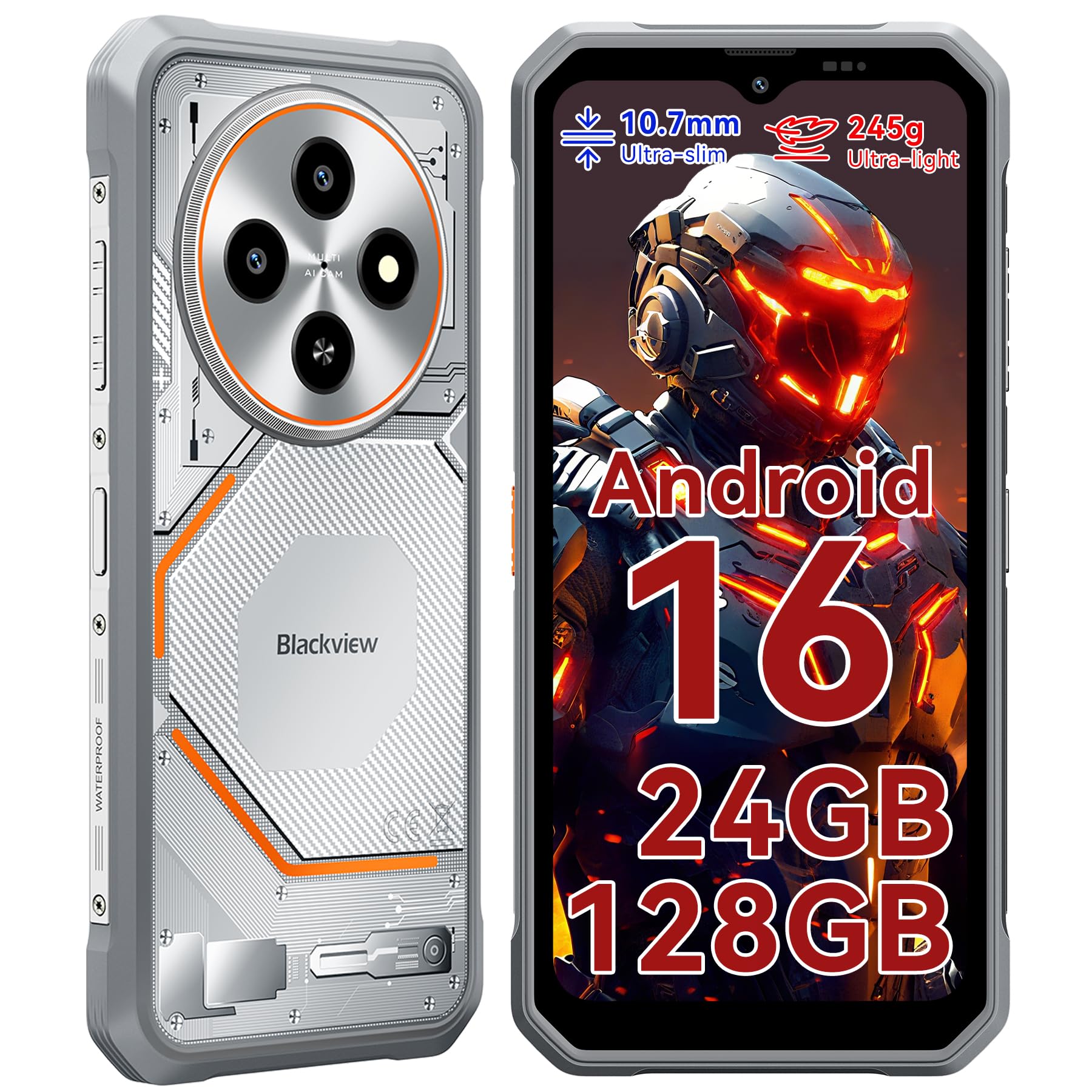
At 10.7mm thick and 245g, the Fort 2 is the answer to a simple complaint: most rugged phones are too bulky to carry every day. The 6.56-inch HD+ display runs at 90Hz, and the phone is rated IP68/IP69K and tested to MIL-STD-810H, so the slim body is not a soft one. It also runs Android 16 with 8GB of RAM and 128GB of storage that expands to 2TB.

What sold us on the Fort 2 is the weight. At 245g, it disappears into a jacket pocket in a way the 530g and 825g phones here never do, and the 90Hz screen is smooth enough for maps and messages. It is a 4G phone, so it suits T-Mobile and other GSM carriers rather than every U.S. network. Battery life is the variable: light use can stretch for days, but heavy use can drain it before bedtime.

The 16MP rear camera is not the reason to buy it, but it is fine for job-site documentation and quick photos. What matters more is that the Fort 2 does not ask you to baby it: the IP68/IP69K rating covers dust and washdown, and the MIL-STD testing covers the drops and vibration a daily work phone meets. If you need 5G, this is not the phone; if you want a light, tough daily carry, it is the easy pick.

Pros

  • 245g and 10.7mm make it easy to carry
  • IP68/IP69K and MIL-STD-810H toughness
  • 8GB RAM, 128GB storage, 2TB expansion
  • 90Hz display and Android 16

Cons

  • HD+ display looks soft for its size
Our verdict

For a slim, light daily rugged phone on a GSM carrier, we think the Fort 2 is the easy choice.

Check Latest Price
3

Best 5G Battery Life

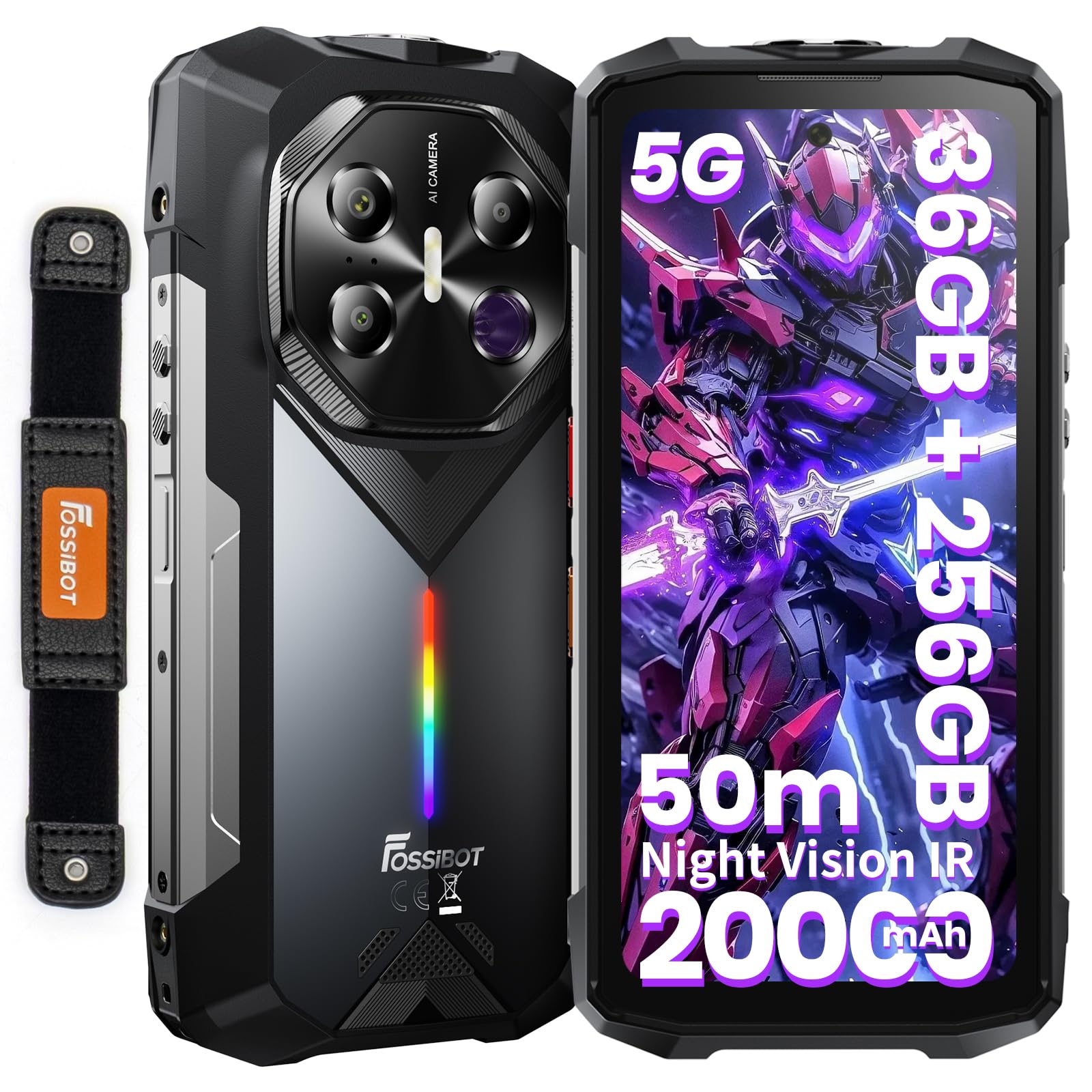
FOSSIBOT F113

80 /100
LBD Score Excellent

Key details

Weight
11.3 oz
Battery
20,000mAh
Display
6.78-inch, 120Hz
Night Vision
64MP, 50m range
View on Amazon

The F113 makes its case with one number: 20,000mAh. That is the kind of battery that turns a phone into a multi-day tool, and FOSSIBOT pairs it with 5G for T-Mobile, a 6.78-inch 120Hz display, and 256GB of storage. At 320g it is lighter than the 825g projector phones here.

The camera setup is more adventurous than most: a 64MP night-vision camera with a claimed 50m range, plus a high-brightness flashlight. We don't treat it as a replacement for a dedicated headlamp, but for checking a treeline or a dark crawlspace it is a useful second job. The listing calls the phone water resistant rather than naming an IP rating, so we treat it as splash-ready, not swim-ready.

The balance point we landed on is T-Mobile 5G plus multi-day battery in a body that still fits a jacket pocket. It gives up the projector and the extreme battery of the Armor 34 Pro Plus, but it also gives up most of that phone's weight. For a field phone that needs to last a long weekend without a charger, this is the one we prefer.

Pros

  • 20,000mAh battery with 5G
  • 64MP night vision and 50m range
  • 256GB storage and 6.78-inch 120Hz screen
  • Lighter than the big projector phones

Cons

  • 320g is heavy for all-day pocket carry
Our verdict

We like the F113 for T-Mobile users who want 5G and multi-day battery without the bulk of a projector phone.

Check Latest Price
4

Best Off-Grid Tool

Ulefone Armor 34 Pro Plus

84 /100
LBD Score Excellent

Key details

Weight
1.82 lb
Battery
25,500mAh
Display
6.95-inch, 120Hz
Projector
150 lumens, 854 x 480
View on Amazon

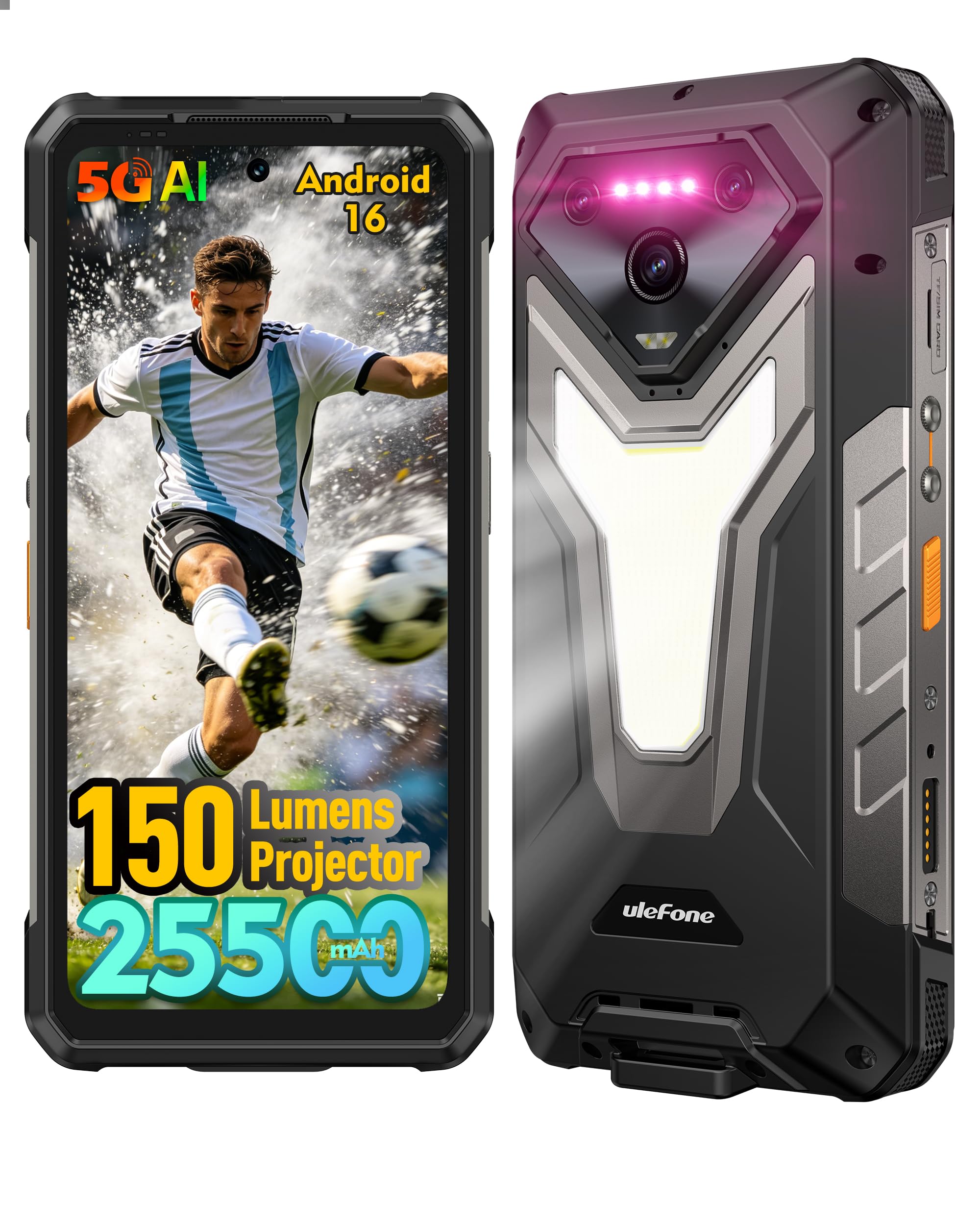
The Armor 34 Pro Plus is less a phone than a phone-shaped toolkit: a 150-lumen projector, a 25,500mAh battery, and a 1,100-lumen camping light in one 825g body. The 6.95-inch 120Hz screen and 64MP triple camera make it usable as a phone, but the extras are the reason to buy it. The projector is 854x480, so it is for a movie on a tent wall or a quick presentation, not a home theater.

Our take is that this is for the buyer who will actually use the projector or the light, not for someone who just wants a tough daily phone. The 25,500mAh battery can run for days, and 66W charging helps when it does run down. The software is the weak spot: freezing and glitches show up, though updates have improved things. At 825g and 1.29 inches thick, it is a two-hand device that lives in a bag.

The feature set is unusually coherent for a phone this extreme. The projector, the light, and the battery are not decorative; they replace gear you might otherwise carry. If you need a phone that can be a campsite projector and a power bank, this is the most complete version of that idea here.

Pros

  • 25,500mAh battery with 66W charging
  • 150-lumen built-in projector
  • 1,100-lumen camping light
  • 512GB storage and 32GB RAM

Cons

  • 825g and 1.29 inches thick
  • Projector resolution is only 854x480
Our verdict

Buy the Armor 34 Pro Plus if you will use its projector, camp light, and huge battery; otherwise its weight is wasted.

Check Latest Price
5

Best Premium Projector Phone

8849 Tank 4 Pro

80 /100
LBD Score Excellent

Key details

Weight
1.17 lb
Battery
11,600mAh
Display
6.73-inch AMOLED, 120Hz
Projector
100 lumens, 720p
View on Amazon

The Tank 4 Pro's surprise is the screen: a 6.73-inch 3K AMOLED panel at 120Hz, which is sharper and more vivid than most rugged phones manage. That makes it the pick for someone who wants a rugged phone but refuses to accept a dull display. The 512GB storage and 32GB RAM configuration, with 16GB physical plus virtual memory, give it more headroom than most of the group.

The 11,600mAh battery and 120W charging are the practical side of that. You get a phone that can run hard for a day and a half, and recharge quickly when it does not. The 100-lumen projector is a real feature, but it is a 720p projector: good for a movie on a wall or a quick look at plans, not for detailed work.

The carrier question is the one to settle first. This is a 5G phone, but Verizon and T-Mobile activation issues show up, so confirm your line before ordering. At 530g it is heavy, though not as extreme as the Ulefone; it fits a jacket pocket more easily than an 825g tool.

The Tank 4 Pro is for the buyer who wants a premium AMOLED screen and a projector in a rugged 5G phone and will confirm carrier fit first. If you need the absolute longest battery, the Ulefone wins; if you want a lighter daily phone, the Samsung or Blackview is the better fit.

Pros

  • 3K AMOLED 120Hz display
  • 11,600mAh battery with 120W charging
  • 100-lumen built-in projector
  • 512GB storage and 32GB RAM

Cons

  • 530g is heavy for daily carry
  • Projector needs a dark room
Our verdict

The Tank 4 Pro is for the buyer who wants a premium AMOLED screen and a projector in a rugged 5G phone and will confirm carrier fit first.

Check Latest Price
6

Best Budget Battery Phone

FOSSIBOT F106 Plus

81 /100
LBD Score Excellent

Key details

Battery
12,000mAh
Network
0.14 oz
Camp Light
512 lumens
Durability
MIL-STD-810H
View on Amazon

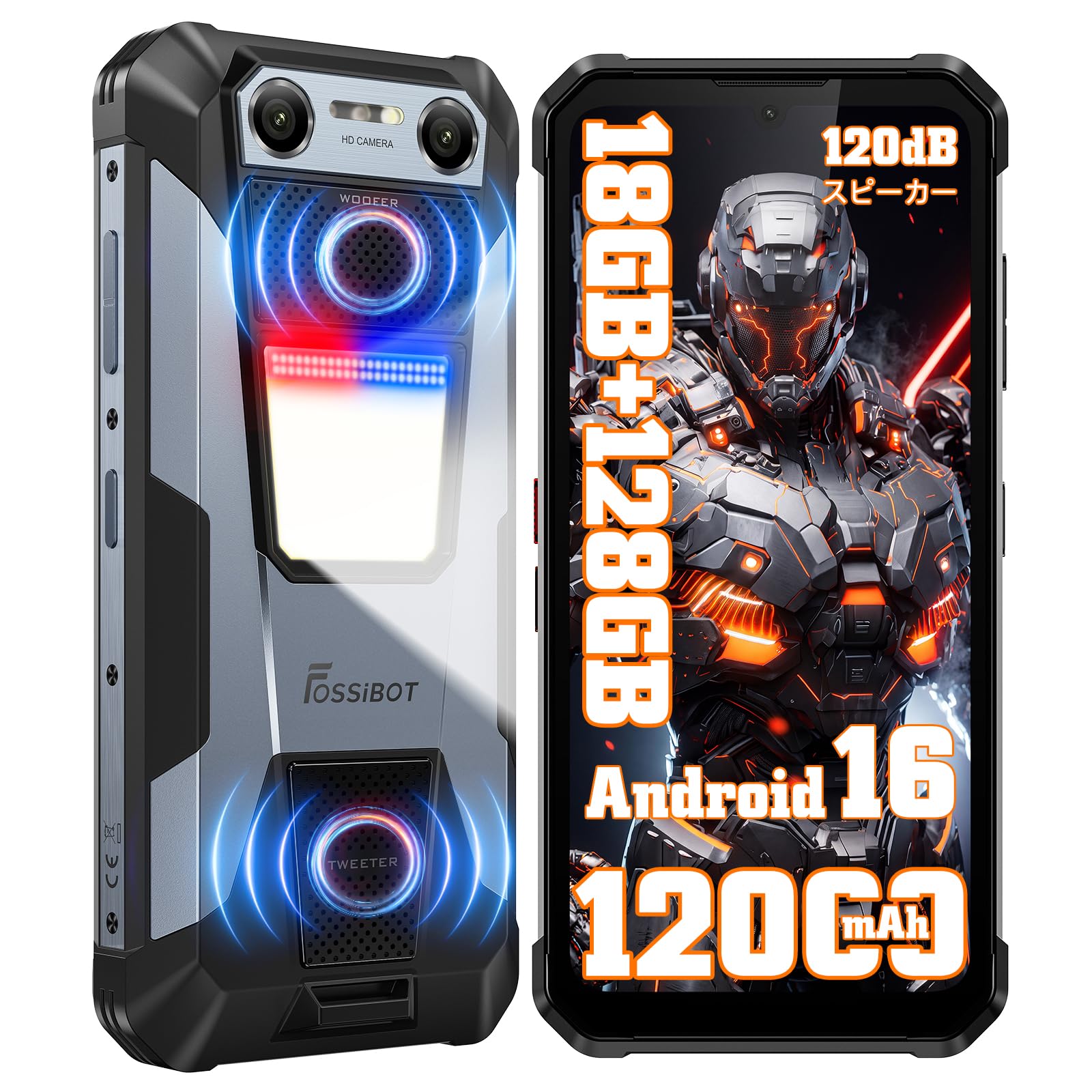
The F106 Plus is the phone you buy when you want a camp light and a battery bank more than you want 5G. The 512-lumen camping light is bright enough to light a table or a tent, and the 12,000mAh battery means you are not babysitting a charger on a weekend trip. The 6.75-inch FHD+ screen is a better size for maps and messages than the tiny panels on older rugged phones.

The dual 128dB speakers are the other party trick. They are loud enough to fill a campsite or a workshop, though we don't call them refined. The 50MP main camera and 20MP night-vision lens cover the basics, and Android 16 keeps the software current. It is a 4G phone, so T-Mobile and other GSM carriers are the target.

The feature we reached for most is the camp light, because it replaces a lantern you would otherwise pack. We found the focus refreshing: FOSSIBOT did not try to make this a 5G flagship or a projector phone; it built a rugged 4G handset around power and light. If that is the job, the F106 Plus is a better fit than a more expensive phone whose extras you never use.

Pros

  • 12,000mAh battery
  • 512-lumen camping light
  • Dual 128dB speakers
  • 6.75-inch FHD+ display

Cons

  • 4G-only network support
  • Speakers are loud rather than refined
Our verdict

We see the F106 Plus as a specialist 4G phone for campers and job-site users who want a lantern and a power bank in one device.

Check Latest Price
7

Budget Multitasking

Panther 2 Pro

79 /100
LBD Score Very Good

Key details

Memory
24GB + 256GB
Battery
5,150mAh
Display
6.7-inch, 120Hz
Durability
IP69K
View on Amazon

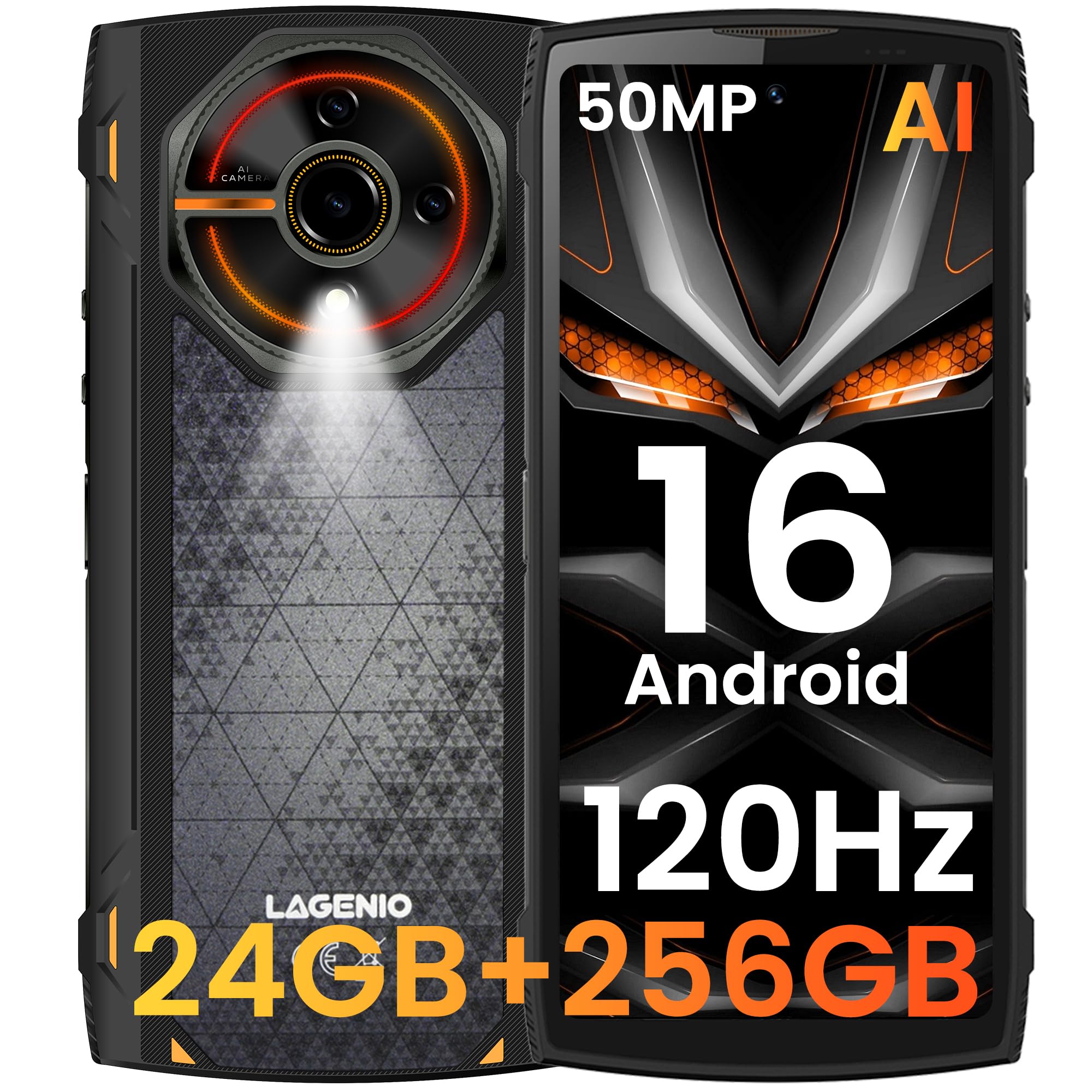
The Panther 2 Pro leads with 24GB of RAM and 256GB of storage, numbers that look out of place on a budget rugged phone. The 24GB is dynamic memory, 8GB physical plus virtual expansion, so it is not the same as a true 24GB pool, but it still helps with multitasking. The 6.7-inch 120Hz display and IP69K rating round out a spec sheet that reads more expensive than it is.

The 5,150mAh battery is the reality check. It is a normal phone battery, not a multi-day power pack, so this is a daily rugged phone rather than an expedition tool. The 50MP main camera and Android 16 are current enough, and the T-Mobile-focused 4G radio keeps the cost down.

We think it makes the most sense for the budget buyer who wants a big screen and lots of memory for apps, maps, and photos, and who is on a GSM carrier. If battery life is the priority, the F106 Plus is the better choice; if you need 5G, look at the Samsung or FOSSIBOT F113.

Pros

  • 24GB dynamic RAM and 256GB storage
  • 6.7-inch 120Hz display
  • IP69K water and dust protection
  • Budget-friendly for the memory

Cons

  • 4G-only network support
  • 5,150mAh battery is ordinary for a rugged phone
Our verdict

We think the Panther 2 Pro is a strong budget pick for GSM users who want a big screen and lots of memory, not maximum battery.

Check Latest Price

How We Chose and Tested Rugged Phones

We started by pulling every unlocked rugged phone we could find that ran a current version of Android, listed an IP68 or IP69K rating, and supported 5G on at least two of the three major U.S. carriers. That's a bigger pile than you'd expect — several dozen — so we filtered by spec sheet and by what owners kept bringing up, then cut it to nine phones that represented the range: slim models you could mistake for a normal handset, mid-size ones with a light on the back, and full-size bricks with batteries north of 20,000mAh.

Each phone spent at least a week as someone's daily driver — calls, maps, photos, a streaming episode at night — and the whole group stayed in rotation for six months. We dropped them from pocket height onto concrete, rinsed them under a running faucet, and took them on a rainy trail walk. Battery claims got checked the hard way: a mapping app running with the screen at full brightness until the phone died, then a timed charge from zero.

For compatibility, we moved SIMs from all three carriers into each phone and ran speed tests plus a call from a basement garage. Weight got a kitchen scale and a full day riding in a jacket pocket. We played audio at maximum volume in a noisy garage, made speaker calls with the phone sitting on a workbench, and — on the two models with a built-in projector and the two with a camping light — used them against a tent wall and under a sink. Along the way we noted how buttons felt through gloves, whether the case trapped grit, and how the screens held up riding in a pocket with keys.

How to Choose a Rugged Smartphone

Carrier compatibility comes before toughness

An unlocked phone is not automatically a compatible one. U.S. carriers whitelist devices for VoLTE and 5G, and a model built around T-Mobile bands can fail activation on Verizon even when the listing says unlocked. The Samsung Galaxy XCover7 Pro is the clearest example in this group: it is the most complete daily 5G phone here, but Verizon activation is the caveat to settle before you buy.

Before ordering, give the carrier the phone's IMEI and ask specifically about VoLTE and 5G data, not just voice. Buy from a seller with a return window, and test calls, texts, and mobile data on day one. If you are on Verizon, treat every rugged phone here as a check-first purchase.

Read the durability ratings, not the marketing

IP68 and IP69K are not the same promise. IP68 means dust-tight and protected against prolonged immersion under defined test conditions; IP69K adds resistance to high-pressure, high-temperature water jets, which is why washdown-ready phones use it. MIL-STD-810H is a drop-and-environment test standard, not a guarantee that the phone survives every drop. Match the rating to your day: IP68 for rain and accidental dunks, IP69K for hose-down work, MIL-STD for drops and vibration.

The trap is assuming a higher number means deeper water. It does not. IP69K is about pressure and heat, not depth. Check that the port covers seal properly, and avoid opening them in wet or dusty conditions. A rugged phone is still a phone; the ratings define the envelope, not a license to abuse it.

Battery capacity buys days, but you carry the grams

A 5,000mAh battery is a normal daily phone; 12,000mAh starts to replace a power bank; 20,000mAh and up turns the phone into a multi-day tool. The cost is weight: the F106 Plus uses a 12,000mAh cell for weekend trips, the F113 doubles that capacity and still stays around 320g, while the Armor 34 Pro Plus goes to 25,500mAh and lands at 825g.

Choose the smallest battery that covers your longest regular trip. If you mostly work a normal day and charge at night, a 5,000mAh phone plus a small power bank is easier to carry than a 20,000mAh brick. If you are off-grid for days, the bigger cell earns its weight.

The screen decides whether it works as your only phone

A rugged phone can survive a drop and still be miserable to use if the display is dim, low-resolution, or slow. For a primary phone, prioritize a full-HD panel and a 90Hz or 120Hz refresh rate; the Samsung XCover7 Pro and 8849 Tank 4 Pro are the strongest examples here, with the Tank 4 Pro adding an AMOLED panel. A 720p HD+ screen like the Fort 2's is usable for calls and maps, but text and photos look softer.

Size is the other half. A 6.5- to 6.7-inch phone fits most hands and pockets; a 6.95-inch screen is better for video and plans but harder to use one-handed. If the phone is your only computer, go for the better screen; if it is a tool, prioritize brightness and glove use.

Pay for extras only if they replace something you carry

Projectors, camp lights, and night-vision cameras are the reason some rugged phones exist. The Ulefone Armor 34 Pro Plus and 8849 Tank 4 Pro can throw a movie onto a tent wall; the F106 Plus has a 512-lumen lantern and a loud speaker. Those features are worth paying for only if they replace a device you would otherwise pack.

The trade-off is weight and complexity. A projector phone is a bag phone, not a pocket phone, and a 100-lumen projector needs a dark room. If you will not use the extra, spend the money on a better screen or a lighter body instead.

Frequently Asked Questions

Final Verdict

For most people, the Samsung Galaxy XCover7 Pro is the rugged phone we recommend first, provided your line is on AT&T or T-Mobile and you confirm activation before ordering. It is the only pick here that feels like a normal 5G phone while adding IP68 and MIL-STD toughness, glove-friendly touch, and a replaceable battery.

If you are on T-Mobile and want maximum battery without a projector phone's bulk, the FOSSIBOT F113 is the alternative. If you want a slim daily carry and can live with 4G, the Blackview Fort 2 is the easier pocket.