Best Overall

GIGABYTE RTX 5070 Ti Gaming OC 16G
Key details
- Fans
- 3
- Memory
- 16GB GDDR7 256-bit
- Boost Clock
- 2600 MHz
- Card Length
- 13.46 in
Sixteen gigabytes of GDDR7 on a 256-bit memory interface is the number that wins this one for editing, and it is why we hand the top spot to the most expensive card in the roundup. On a 4K timeline with a grade, noise reduction, and two or three GPU effects stacked, memory is what runs out first. No other card here pairs 16GB with the newer memory generation, so it has both the most headroom and the fastest path to it.
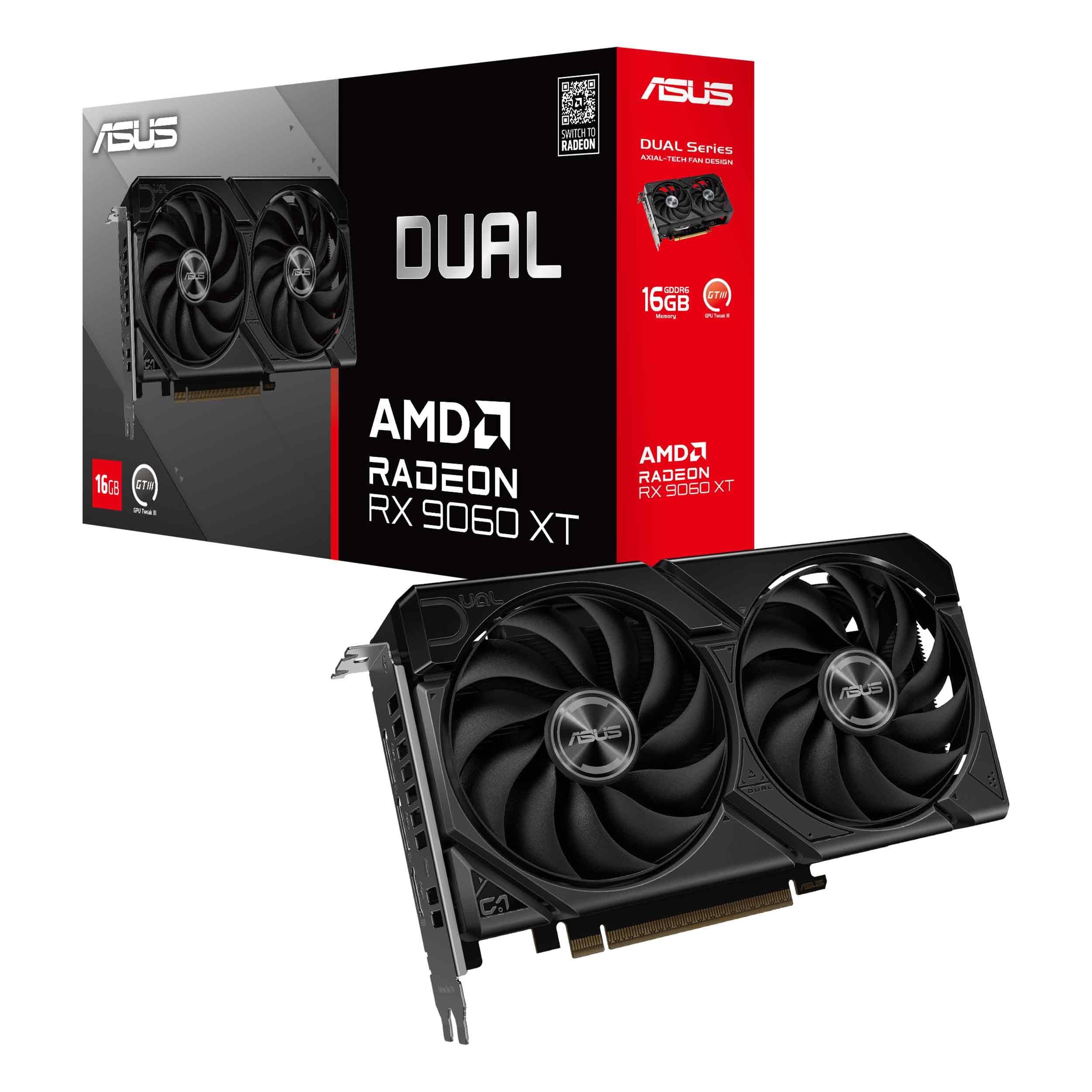
The cooler is the part we did not expect to like as much. Three fans and a 3.9-pound body keep the card composed through long exports; we pushed repeated renders at it and got a low, steady whoosh rather than the ramping whine that makes a desk build unpleasant. The 2600 MHz boost is not the headline here, but it keeps effect previews and GPU-accelerated grades moving with the timeline instead of behind it.
At 13.46 inches long it is also the biggest card we are recommending, and that is a measurement worth taking before you order. A mid-tower with the drive cage clear is fine; a compact case or a prebuilt with a front-mounted radiator needs the distance from the PCIe bracket checked first. With a card this heavy, a support bracket is worth the few dollars.
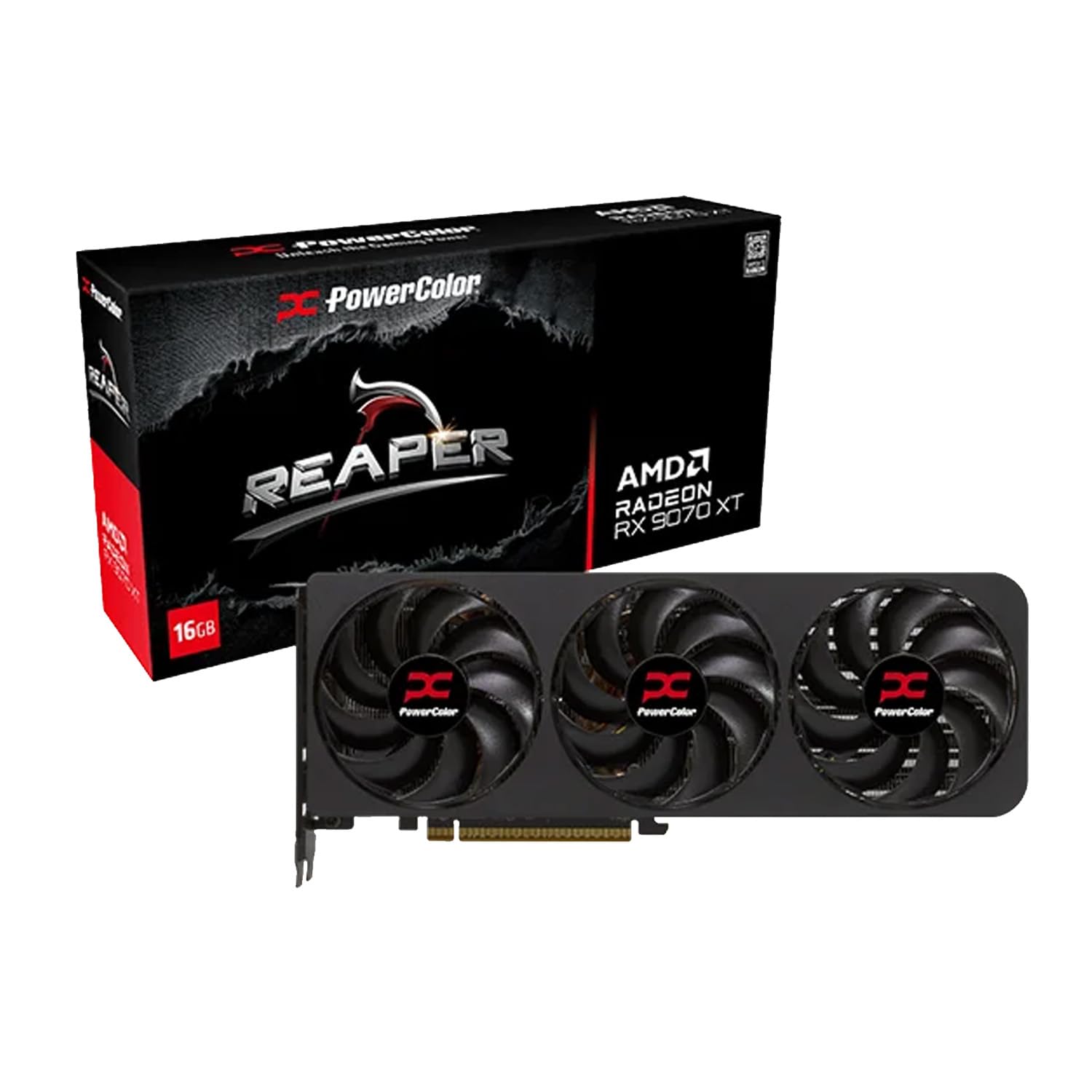
Price is the honest catch, and we are not going to pretend it is a small one. What you are buying is a card that will not be the reason you cannot move to a 4K or 6K timeline next year, and for anyone editing for money that math usually works out. If it does not, the 16GB Radeon cards below get you most of the memory for considerably less.
Pros
- 16GB GDDR7 on a 256-bit bus
- Stays quiet through sustained exports
- Runs cool under long loads
Cons
- 13.46 inches long; measure the case
- Premium price against the rest of the set
We recommend it for anyone cutting 4K multicam or heavy effects: the most memory headroom here, and it stays quiet while using it.