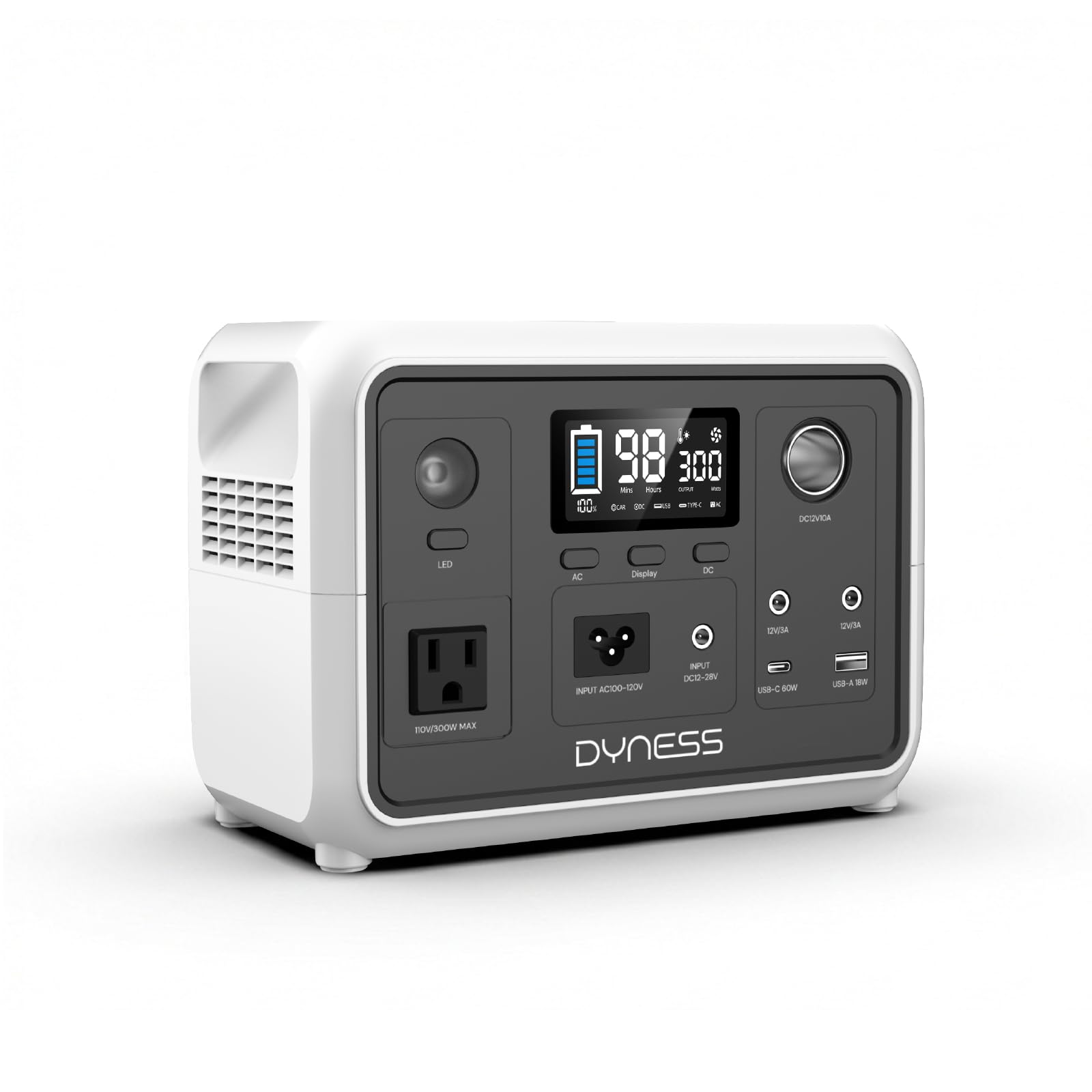
Best Overall
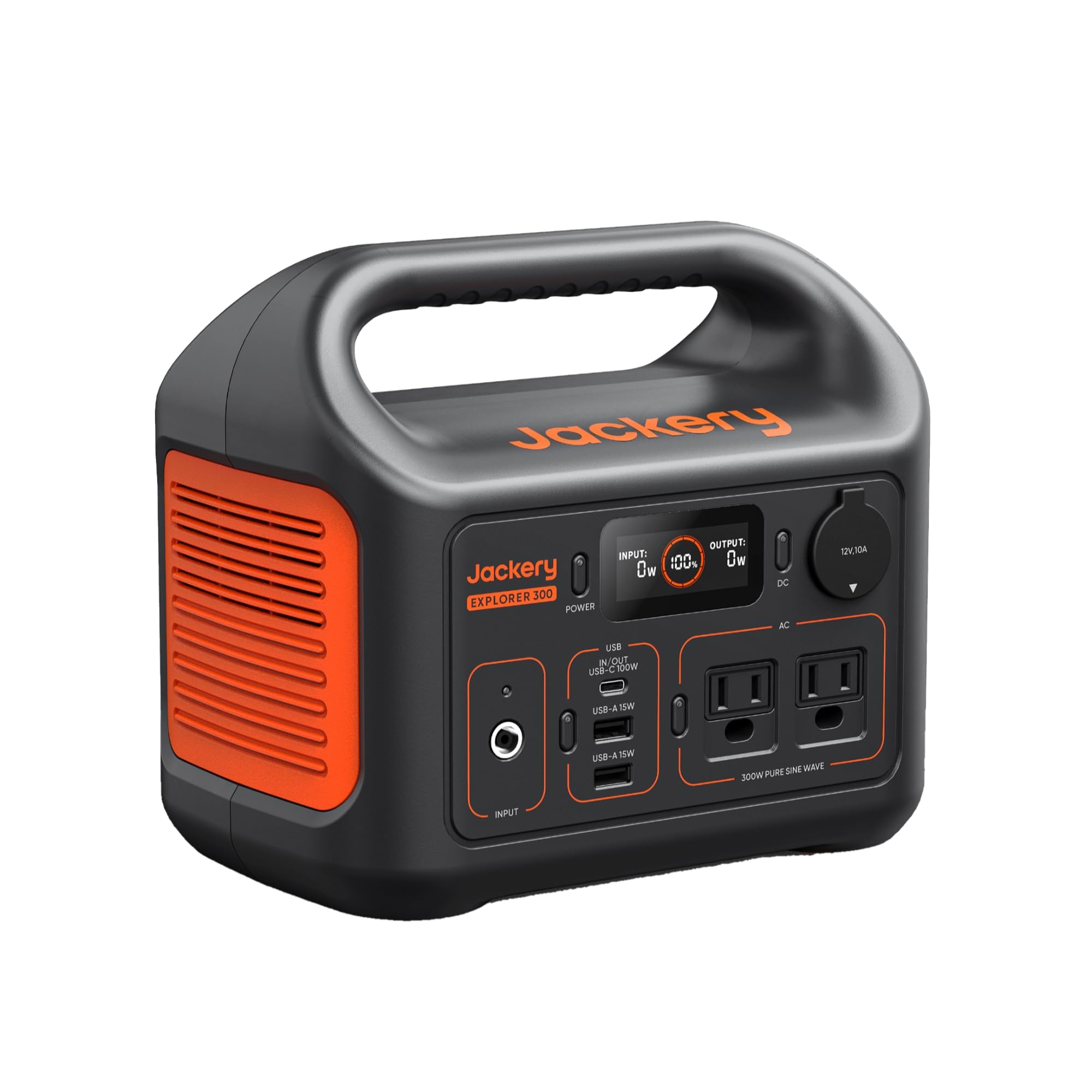
Jackery Explorer 300
Key details
- Weight
- 7.1 lb
- AC Output
- 300W continuous, 600W surge
- Battery Type
- LiFePO4, 4,000 cycles
- Battery Capacity
- 292Wh
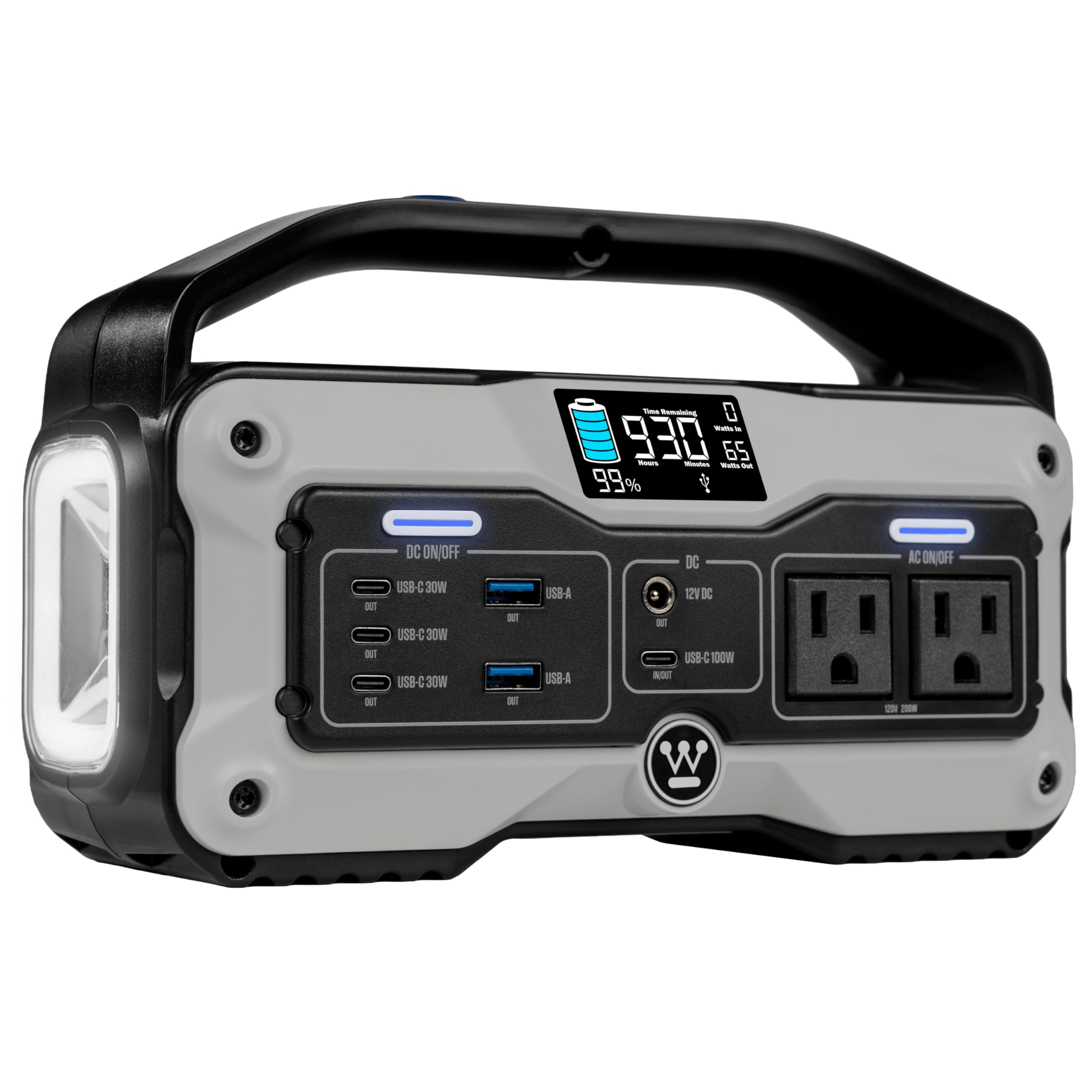
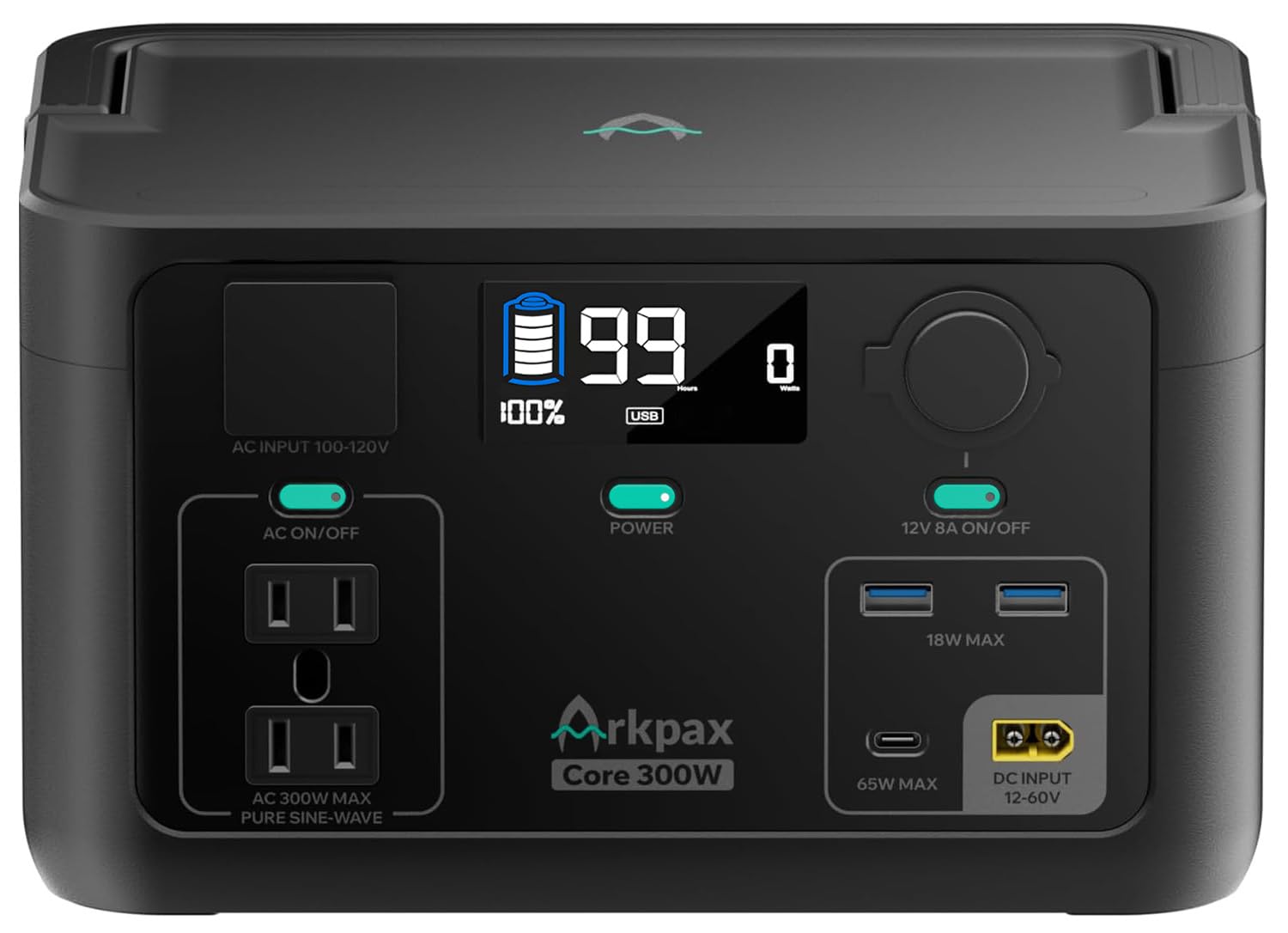
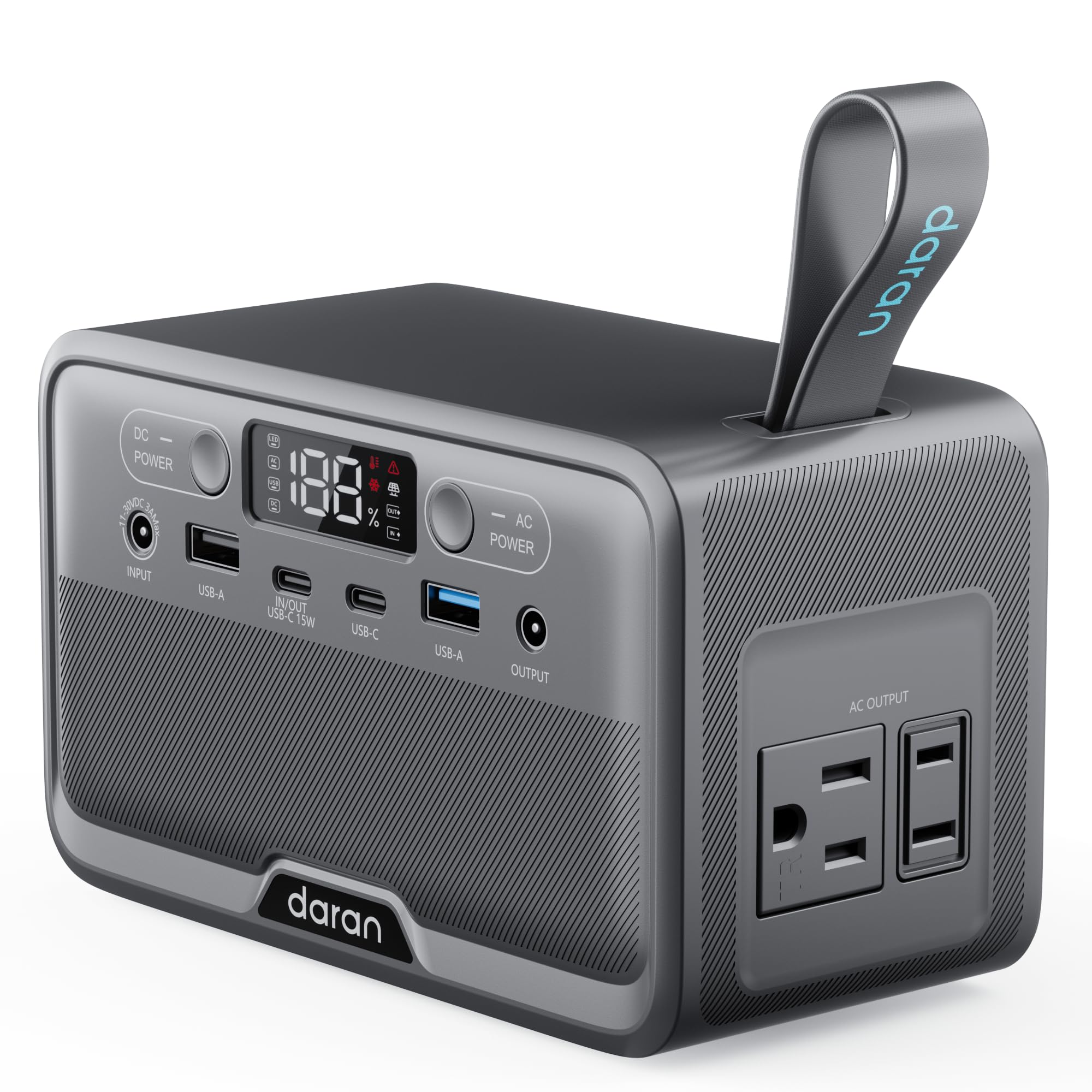
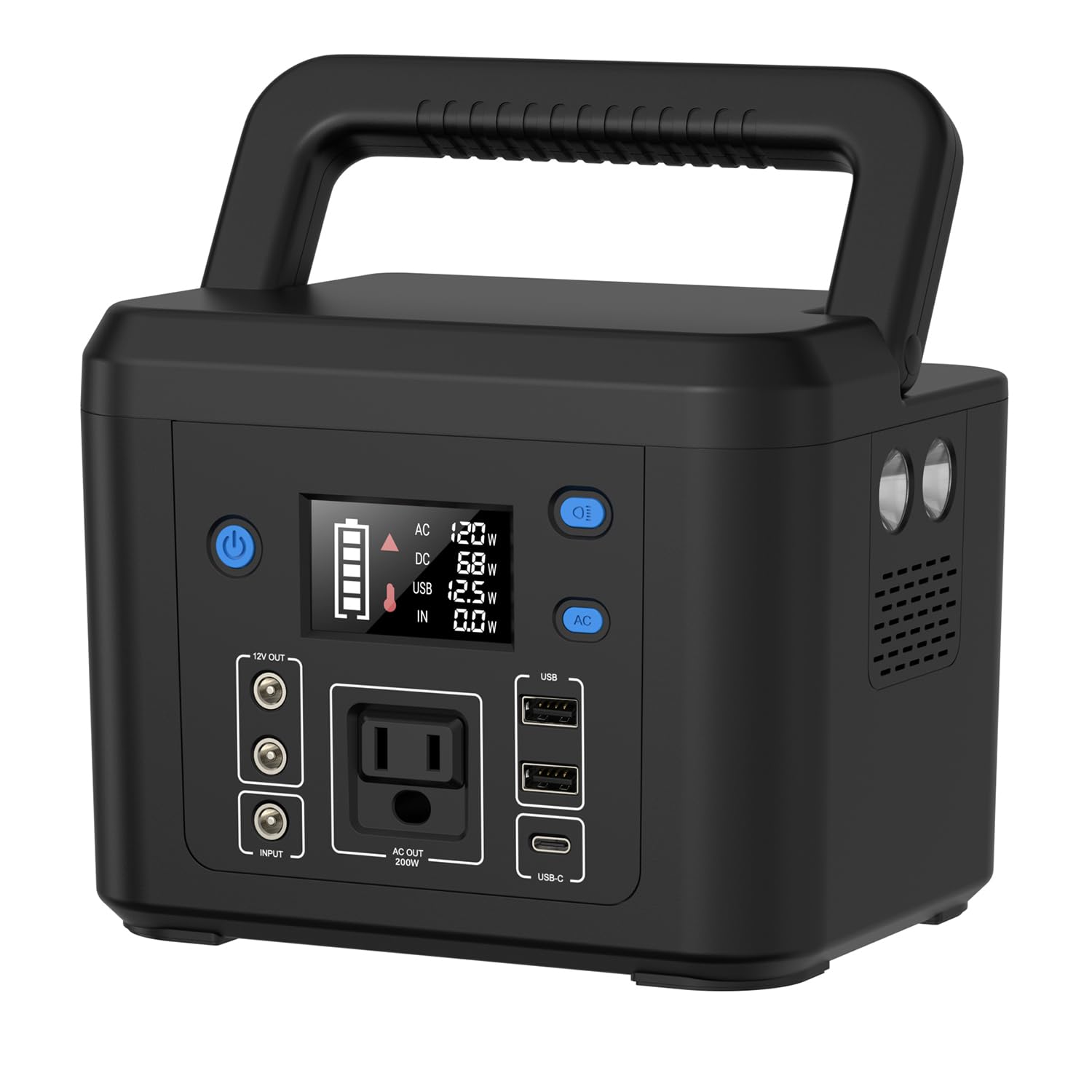
Put the Explorer 300 beside the cheaper picks here and the difference shows up in what it can start. There's 292 watt-hours behind 300 continuous watts with a 600-watt surge, so a mini fridge or a box fan doesn't trip it the way a 200-watt unit will. Two AC outlets sit alongside a 100W USB-C PD port, two USB-A ports, and a 12V car socket.
That headroom is why it's our top pick. Most people buy one of these to cover two jobs at once — a camping weekend and the first day of a blackout — and the Explorer 300 is the only unit here that does both without asking you to choose between them. The LiFePO4 cells are rated for 4,000 cycles down to 70% capacity, a figure that outlasts the reason you bought the thing.
We kept coming back to it for smaller reasons, too. The integrated handle sits where your hand expects it, and just over seven pounds is a one-hand carry from the closet to the kitchen counter. The 100W USB-C port fast-charges a laptop straight off the front panel, so a workday away from a desk never touches the AC side at all.
One thing to plan for: the solar panel is sold separately, and the quick solar figure of 80% in about 2.8 hours assumes a 100W panel. Budget for that if off-grid charging is the point of the purchase. Everything else about this one is undemanding — charge it, carry it, plug in.
Pros
- Enough capacity for small appliances, not just phones
- Two AC outlets plus a 100W USB-C PD port
- One-hand carry at just over seven pounds
- LiFePO4 cells rated for 4,000 cycles
Cons
- Costs more per watt-hour than the budget picks
- Wall recharge runs about four hours
We recommend it as the default because 292 watt-hours, two AC outlets, and about seven pounds is the balance most people are actually shopping for.