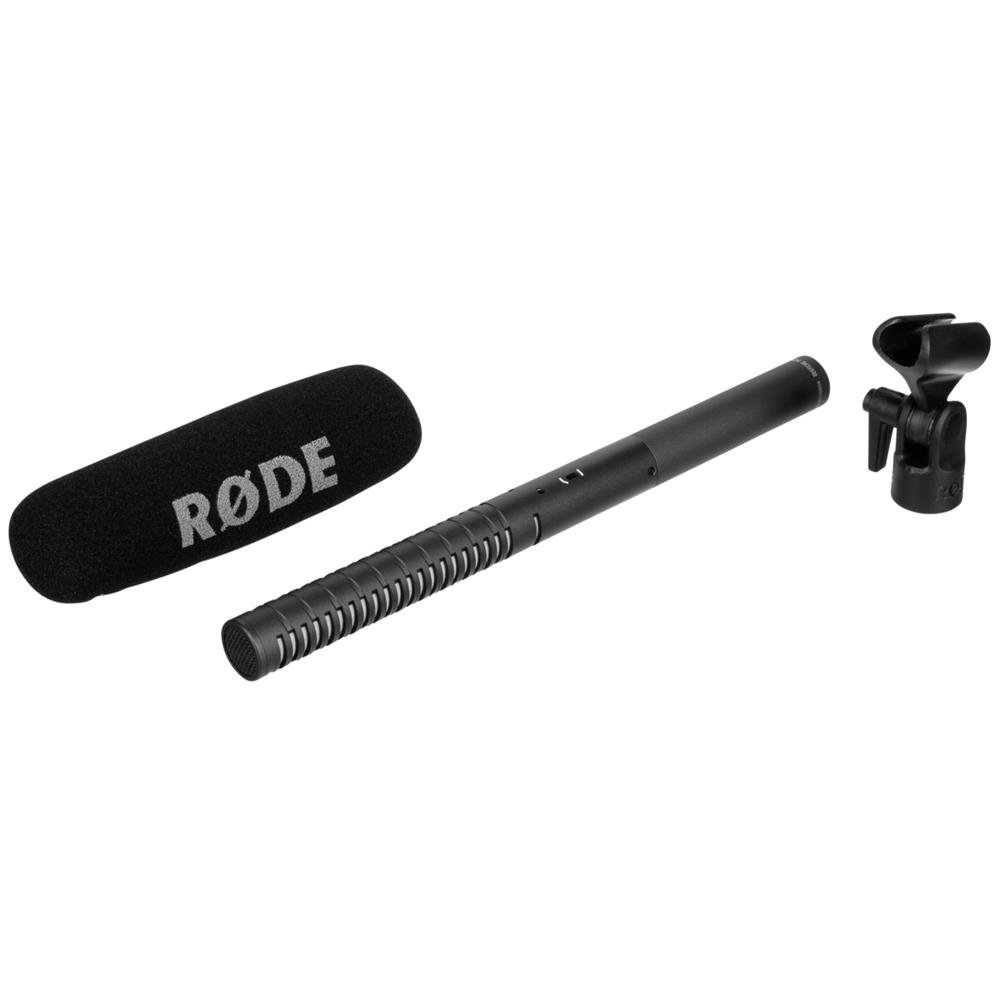
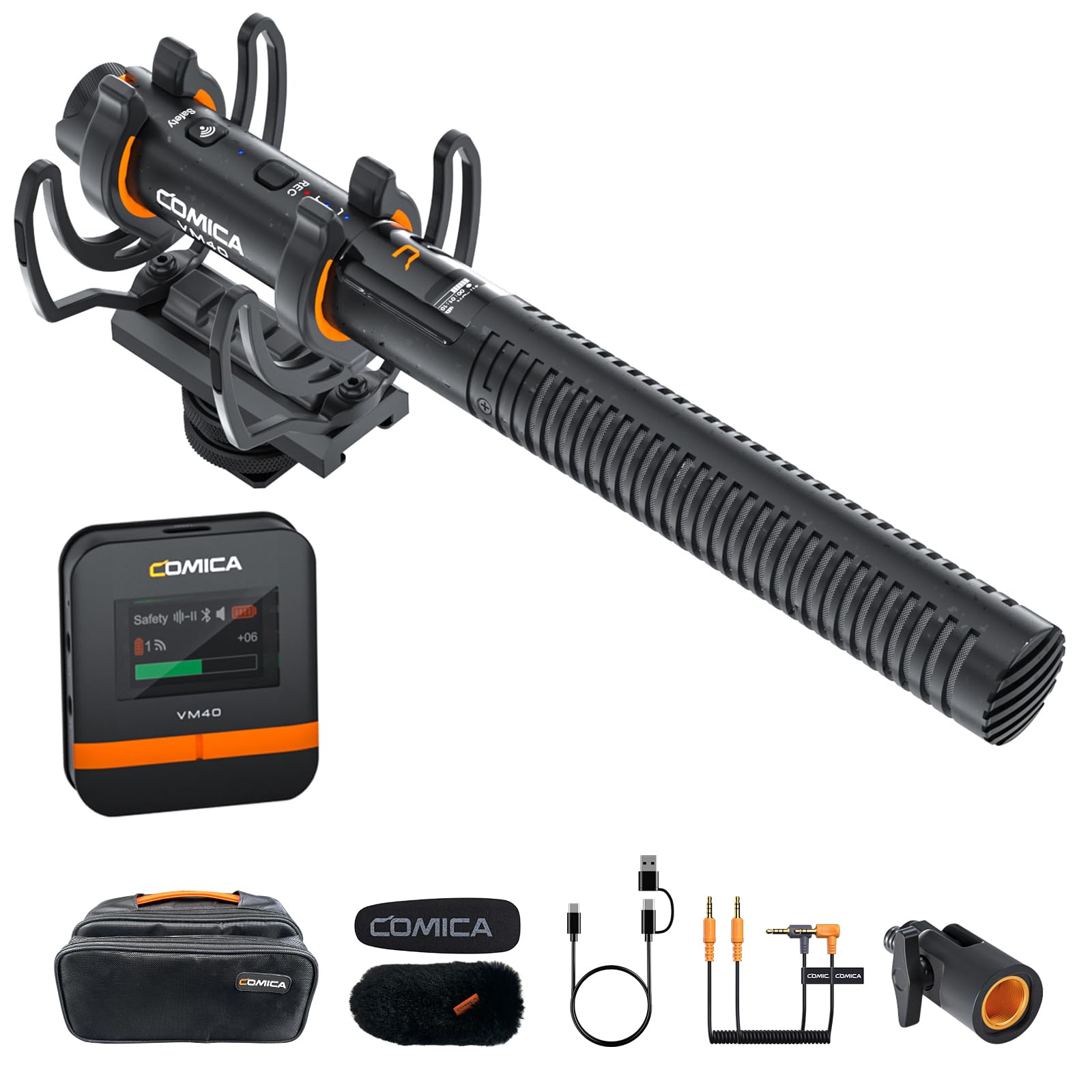
Best Overall

Sennheiser MKE 600
Key details
- Power
- AA or 48V phantom
- Output
- XLR
- Weight
- 15.2 oz
- Polar Pattern
- Supercardioid
The MKE 600 is the shotgun we reach for when a shoot has to come back with usable dialogue and we don't know what camera or recorder is waiting. Its XLR output is the professional end of the category, and the mic can draw 48V phantom power or fall back on a single AA, so a camera without phantom isn't a dealbreaker. That dual power is the practical reason it works as both an on-camera mic and a boom mic.
The sound is the bigger argument. The supercardioid pickup stays focused on the voice in front of it, and the low-cut filter is there for wind and rumble. In our use, the off-axis rejection and low self-noise are what make the MKE 600 feel calmer than the budget on-camera mics here. Dialogue sounds fuller and cleaner, and the included foam windshield and shock mount let you start shooting without a separate accessory kit.
The included shoe mount is fine for a camera parked on a tripod. For handheld work, add a proper suspension mount and keep the cable strain-relieved; that is the difference between a clean track and a track full of thumps. The mic is also heavier than the compact on-camera models, which is the trade-off for the metal body and XLR output.
The real gate is your input. If your camera has XLR, this is the safest all-round pick in the group. If it only has 3.5mm, the VideoMic GO II is the easier route; the MKE 600 is worth the adapter only if you want a mic that can graduate to a boom.
Pros
- Dual phantom or AA power
- Focused supercardioid pickup with low self-noise
- Switchable low-cut filter for wind
- Works on camera or boom
Cons
- XLR-only output needs an adapter for 3.5mm cameras
For film, video, and ENG work where you can use XLR, the MKE 600 is our default: clean, directional sound with the rare freedom of phantom or AA power.