Best Sleep Trackers of 2026

I wore a smartwatch to bed for two years before I gave up on it, and what broke me wasn't the data — it was the wrist flick at 3 a.m. that lit up the whole room. What I wanted was something that recorded the night quietly, stayed comfortable enough to forget about, and handed me one useful takeaway in the morning. That's the entire job of a sleep tracker, whether it takes the shape of a ring, a screenless band, or a clock on the nightstand. My team and I have spent the past six months sleeping with 12 of them.

One thing I'd tell a first-time buyer: the morning score matters far less than whether the device stays on your finger or wrist and stays charged. Several of these need a monthly membership to unlock the useful parts, which quietly changes the real price, and a ring that isn't sized right will read badly and wake you up.

The picks below are the ones we'd put back on tonight — accurate enough to trust, comfortable enough to wear every night, and honest about what they cost over a year.

1

Best Overall

Oura Ring 5

88 /100
LBD Score Excellent

Key details

Form
Titanium smart ring
Membership
Required after first month
Battery Life
6 days
Sleep Metrics
Sleep, activity, stress, heart
View on Amazon

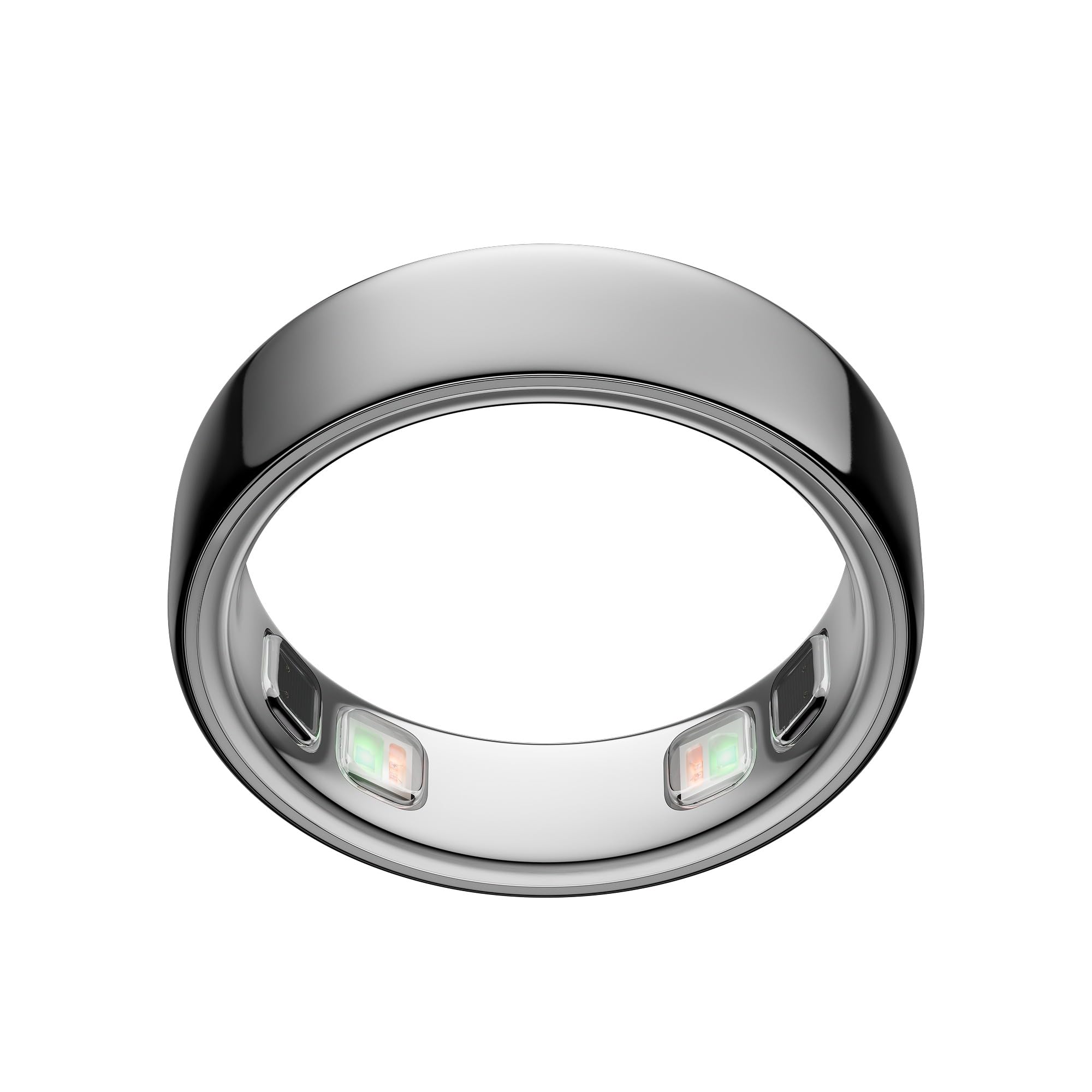
A ring is the least intrusive way to track sleep, and the Oura Ring 5 is the one we reach for first. The titanium band sits close to the finger without the bulk of a watch, and the morning report gives us a clear read on sleep, activity, and how the previous day's movement landed. We were struck by how much of the picture arrives without a screen to distract us.

Fit is the one thing to get right before you commit. Oura's ring sizing is different from jewelry sizing, and the company sells a sizing kit for a reason; wear the sizer overnight before choosing. A ring that feels fine at lunch can feel tight by morning, so give yourself time to test it.

The six-day battery is the other reason it earns the top spot. We don't have to build a charging ritual into the day, and the 80-minute charge is easy to slot into a shower. The app is where the detail lives: sleep, activity, stress, heart rate, and women's health metrics, with trends that are easier to act on than a single nightly score.

The titanium finish also looks like jewelry, which matters if you plan to wear it to work and to bed. It is a premium system, and the ring is not for someone who wants on-wrist stats or a screen at midnight. We like it best when we stop checking the score every morning and read the weekly trend instead.

Pros

  • Detailed sleep and activity trends
  • Comfortable all-night titanium ring
  • Six-day battery with quick charge

Cons

  • Membership required after the first month
Our verdict

The Oura Ring 5 is the sleep tracker we recommend first for detailed overnight data in a ring you can forget you're wearing.
Check Latest Price
2

Best for Recovery and Athletes

WHOOP 5.0

85 /100
LBD Score Excellent

Key details

Membership
12-month Peak included
Battery Life
14 days
Sleep Tracking
REM, deep, light, awake
Water Resistance
IP68
View on Amazon

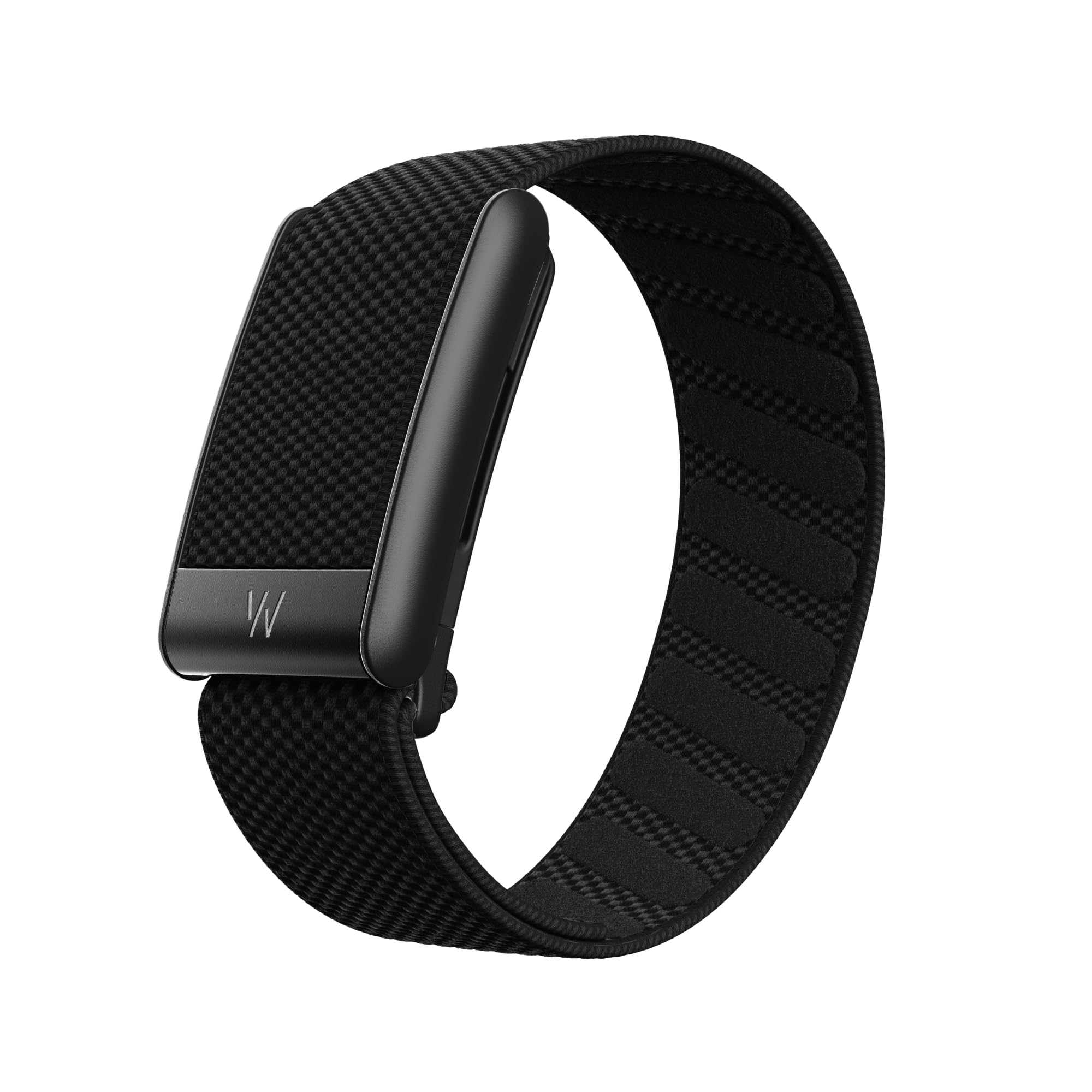
The WHOOP 5.0 makes its case with a two-week battery and a strap that has no screen to glow in a dark bedroom. That combination is why we keep it in the conversation for anyone who wants sleep and recovery data without a watch-shaped interruption.

What we appreciate most is the recovery framing. WHOOP doesn't just tell you how long you slept; it puts sleep next to recovery, stress, and daily strain and asks what your body can handle that day. The overnight report covers REM, deep, light, and awake time, and the AI coach turns those numbers into a suggestion rather than a raw data dump.

The battery is the practical win. The wireless PowerPack charges while you wear the band, so we never have to take it off overnight and lose a night of data. Fourteen days between charges is a different rhythm from a ring or watch that lives on a charger.

Accuracy is the caveat. The sleep and recovery numbers are useful as trends, but some activities and nights can read inconsistently, so we treat a single score as a prompt, not a verdict. We still lean on the overnight pattern more than the day-to-day strain number.

Pros

  • Two-week battery with wearable charging
  • Detailed sleep and recovery metrics
  • Screenless design for overnight comfort

Cons

  • Annual membership is the only way in
  • Band comfort is not universal
Our verdict

The WHOOP 5.0 is the sleep tracker we point athletes and recovery-focused buyers toward, with deep overnight data and a battery that rarely interrupts the routine.

Check Latest Price
3

Best Contactless

Hatch Sleep Clock

87 /100
LBD Score Excellent

Key details

Audio
Sound machine and sunrise alarm
Power
Corded electric
Connectivity
Wi-Fi and Bluetooth
Sleep Sensing
Contactless micro-movements
View on Amazon

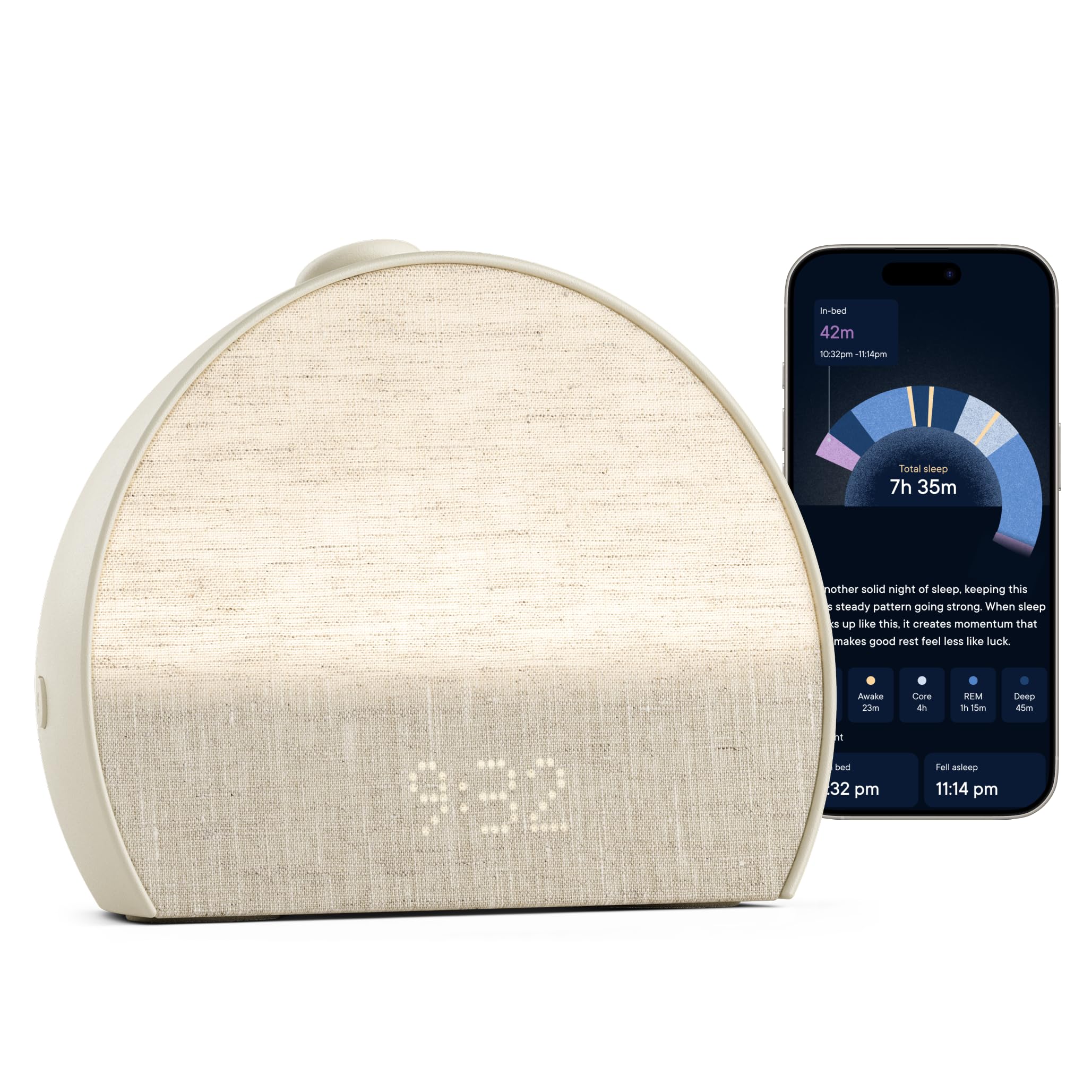
Not everyone wants a band on their wrist at 2 a.m., and the Hatch Sleep Clock is built for that person. It sits on the nightstand, senses micro-movements and breathing patterns, and turns the whole room into a sleep environment with sound and light.

We like the way it fits into a bedtime routine rather than demanding a new habit. You set a wind-down sequence in the app, the light dims, the sound fades in, and the morning wakes you with a sunrise instead of a jolt. The sleep report is less granular than a ring's, but it gives you a nightly picture without asking you to wear anything.

The sound library is the part we didn't expect to care about. There are plenty of noise options, and the app lets you tune the light and volume so the room feels calm rather than clinical. It doubles as a white-noise machine, which means one less device on the nightstand.

The clock tracks the room rather than a single wrist, so it is a different kind of data from a ring or band. That makes it a natural fit for couples who want a shared wind-down routine and for anyone who has given up on wristwear overnight. It is also the pick here that does the most beyond tracking.

Pros

  • Tracks sleep without wearing anything
  • Doubles as sound machine and sunrise alarm
  • Customizable bedtime and morning routines

Cons

  • High price for a bedside device
  • Some richer sounds need a membership
Our verdict

The Hatch Sleep Clock is the pick for anyone who won't wear a device to bed, turning a nightstand into a sleep tracker and a gentler morning alarm.

Check Latest Price
4

Best Lightweight Screenless

Fitbit Air

87 /100
LBD Score Excellent

Key details

Weight
0.18 oz
Battery Life
Up to 7 days
Sleep Metrics
Sleep, HR, SpO2
Water Resistance
50 m
View on Amazon

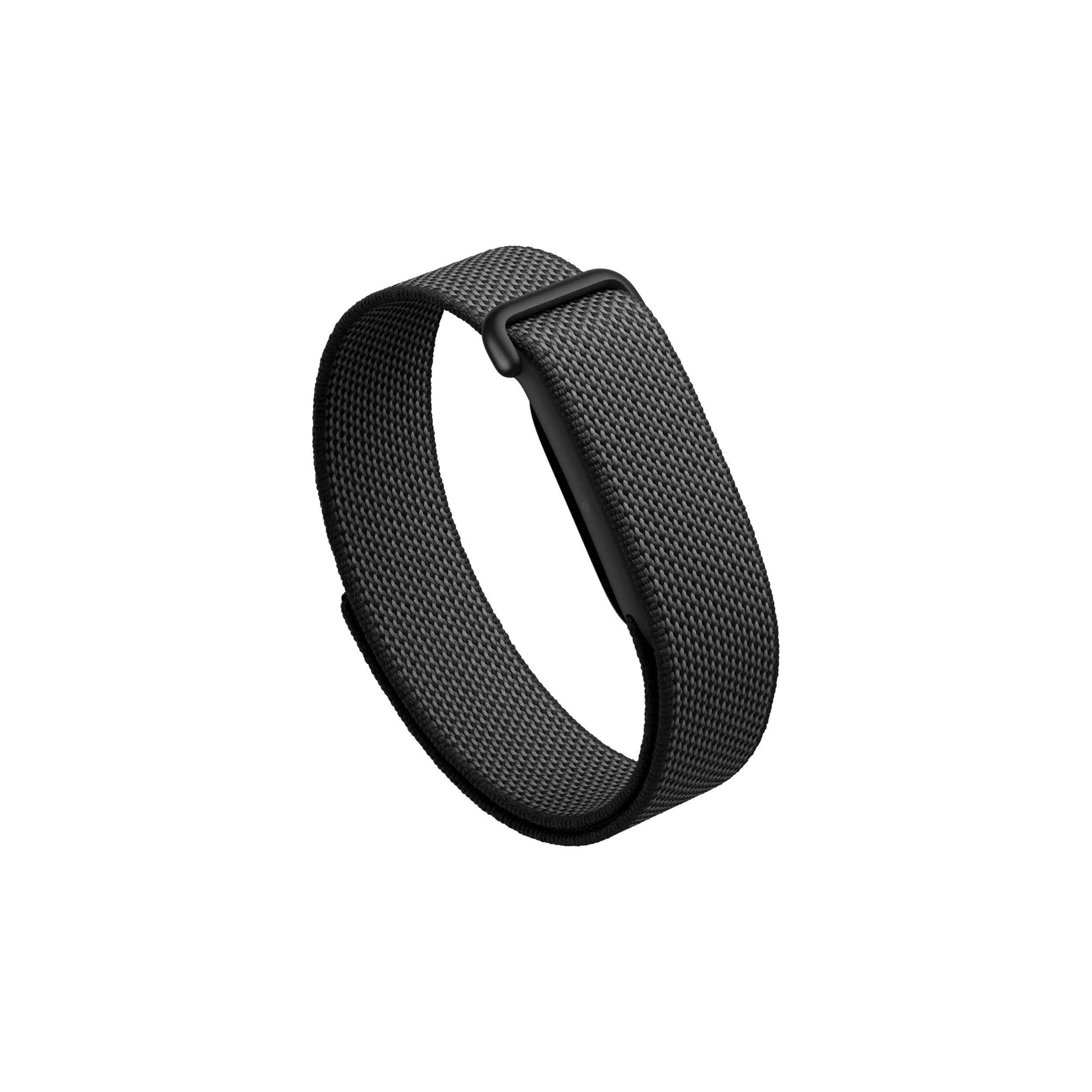
At just over five grams, the Fitbit Air is the tracker we forget we're wearing, and that is the whole point. It has no screen, a slim band, and a battery that stretches to a week, so it can stay on through work, workouts, and sleep without becoming another gadget to manage.

Sleep is where it earns its place. It logs sleep, heart rate, and SpO2, and the Google Health app turns that into a nightly score and trends. The screenless design means you check the app in the morning, not your wrist at midnight, and the band is micro-adjustable from 130 to 210 mm so it stays put without pinching.

The battery is the other quiet win. A five-minute charge gives you a day of use, and a full charge lasts up to a week, so the Air is easy to keep in rotation. We also like that it works with both iOS and Android; the setup is straightforward, and the app keeps the basics in one place.

If you want on-wrist stats or a more polished sleep report, the Oura and WHOOP are the step-up picks. The Air is for the person who wants the basics, wants to spend less, and will actually keep a screenless band on all night. That is a narrower brief than the top pick's, but it is a useful one.

Pros

  • Featherweight design disappears on the wrist
  • Up to a week of battery

Cons

  • Sleep tracking can be inconsistent
Our verdict

The Fitbit Air is the lightweight screenless tracker we recommend for budget-minded sleepers who want a week of battery and don't mind leaning on the app.

Check Latest Price
5

Best Budget Tracker

Bakoor Tracker

78 /100
LBD Score Very Good

Key details

Display
1.10-inch AMOLED
Sports Modes
25
Sleep Tracking
Light and deep sleep
Battery Capacity
120 mAh
View on Amazon

The Bakoor tracker costs less than most sleep gadgets, but the first thing you notice is the screen. The 1.10-inch AMOLED display is bright, sharp, and easy to read outdoors, which makes it feel more expensive than it is.

It covers the sleep basics: bedtime, wake time, light and deep sleep, and a nightly view in the app. We like that the screen gives you a quick read without digging out your phone, and the 25 sports modes make it a decent everyday activity watch rather than a one-trick sleep device.

Where it lands for us is as a starter tracker. The data is useful for spotting broad patterns, and the 120 mAh battery is enough for several nights between charges. It doesn't have the polish of a premium ring or the recovery coaching of a WHOOP, but it also doesn't ask for a charging ritual.

The screen is the reason to choose it over a screenless band: you get instant feedback, and the sleep report is a bonus rather than the only thing it does. If you want the most detailed overnight data in this guide, spend more; if you want a cheap way to start noticing your nights, this is the one.

Pros

  • Bright 1.10-inch AMOLED display
  • Low-cost way to try sleep tracking

Cons

  • Accuracy can be inconsistent
Our verdict

The Bakoor is the budget tracker we recommend for anyone who wants a bright screen and sleep basics without spending much.

Check Latest Price
6

Budget Ring

BIEMHA Smart Ring

81 /100
LBD Score Excellent

Key details

Heart Rate
Every 30 minutes
Battery Life
2-3 days
Subscription
None
Water Resistance
80 m
View on Amazon

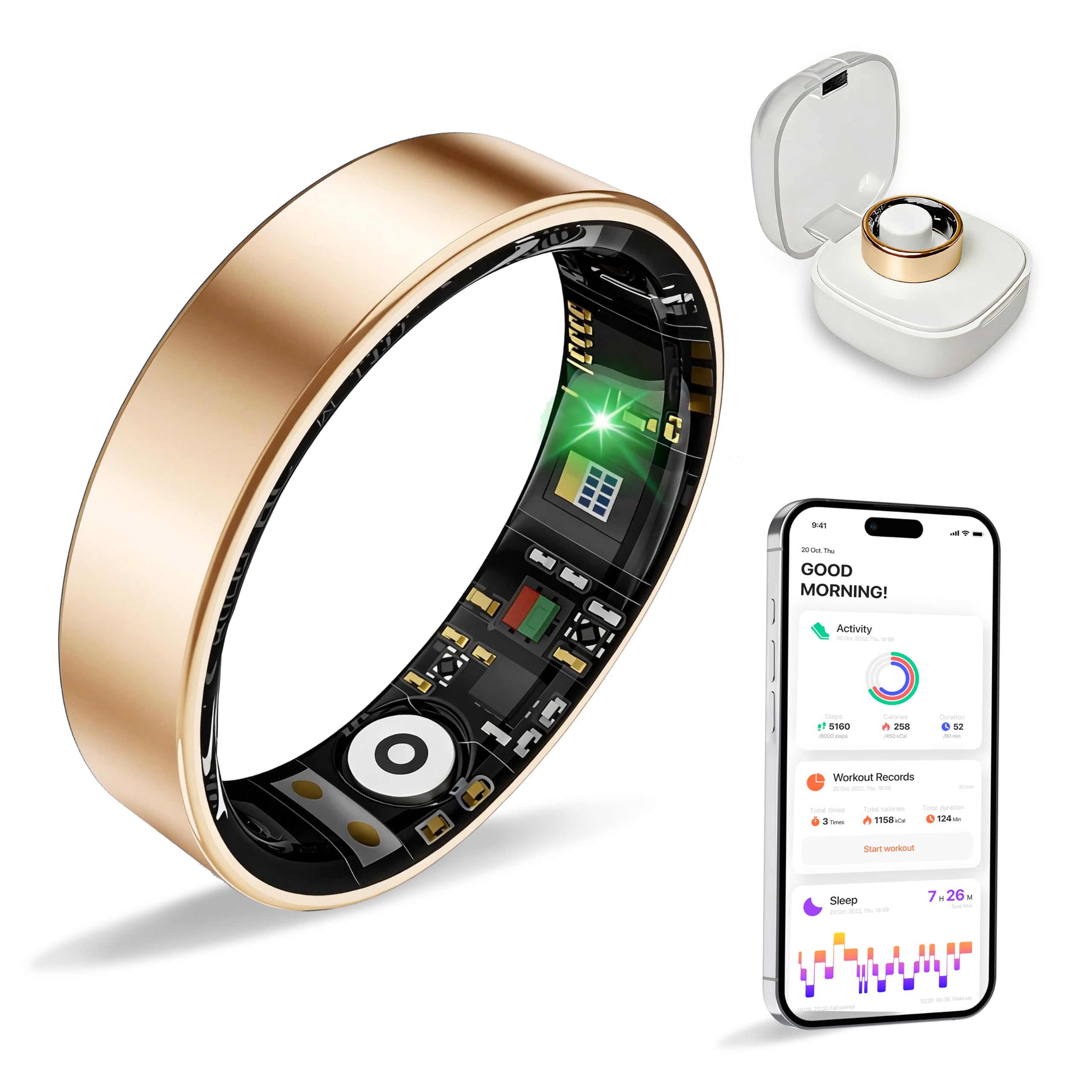
The idea of a no-subscription smart ring is appealing, and the BIEMHA ring is the cheapest way to try that form factor here. It slips on like jewelry, tracks sleep and daily activity, and doesn't ask for a monthly fee.

The ring uses 4.0 sensors and tracks sleep quality and daily activity in the app. The 80-meter water resistance means you can leave it on in the shower or pool, and the 2-3 day battery is a manageable routine if you already charge a watch or phone overnight.

We see it as a trial ring rather than a replacement for an Oura. The feature set is simpler, but the price of entry is low and the ring is comfortable enough to wear overnight.

Sizing is the make-or-break. The ring uses its own size chart, and a loose fit can break sensor contact while a tight fit is uncomfortable by morning; measure your finger carefully and check the return policy before you commit.

Pros

  • No subscription required
  • Ring form is comfortable for sleep
  • 80-meter water resistance

Cons

  • No warranty
  • Heart rate sampled every 30 minutes
Our verdict

The BIEMHA ring is the budget way to try ring-based sleep tracking, provided you size carefully and don't expect Oura-level polish.

Check Latest Price
7

No-Fee Tracking

MorePro Screenless

79 /100
LBD Score Very Good

Key details

Battery Life
3-5 days
Subscription
None
Sleep Tracking
Sleep, HRV, SpO2
Water Resistance
IP68
View on Amazon

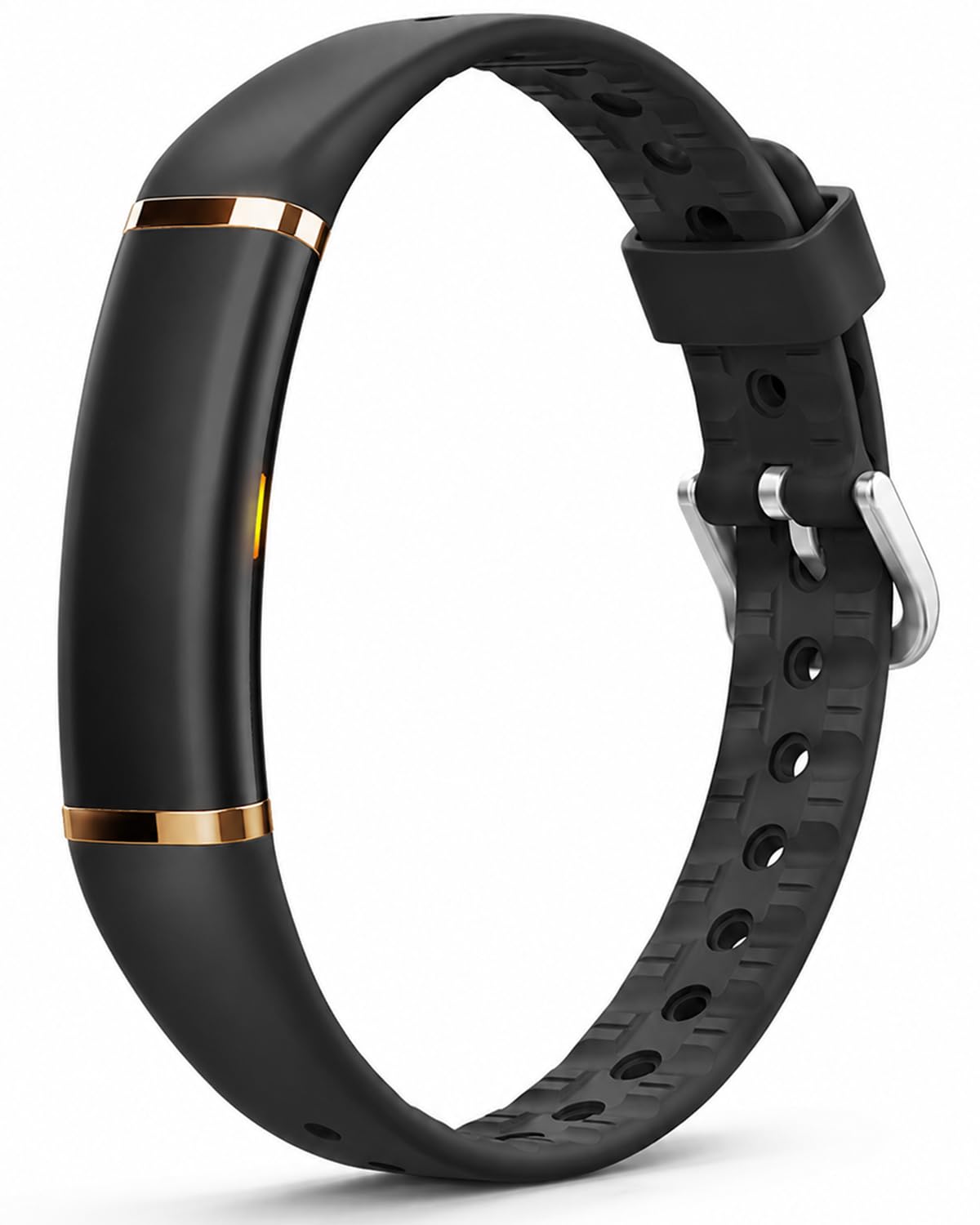
The MorePro Screenless is for the shopper who wants a band with no screen and no monthly fee. It records heart rate, blood oxygen, HRV, and sleep, and the slim silicone band is light enough to wear overnight without thinking about it.

The battery is rated for three to five days with automatic monitoring on, and the two included bands in small and large sizes make it easier to get a comfortable fit. It is IP68 water resistant, so sweat and hand-washing aren't a problem.

The feature list is broad for the price: blood pressure, blood oxygen, HRV, and sleep tracking all live in the app. We like that the screenless design keeps the overnight experience quiet, and the app doesn't lock core tracking behind a paywall.

What we don't get is the polish of a Fitbit or Oura. The app is simpler and the data presentation is more basic, but for no-fee overnight tracking, it covers the basics and then some.

Pros

  • No subscription fees
  • Screenless design for all-night wear

Cons

  • Battery life drops with frequent sports use
Our verdict

The MorePro Screenless is the no-subscription band we recommend for shoppers who want overnight tracking without another monthly bill.

Check Latest Price

How We Tested 12 Sleep Trackers Over Six Months

We began by rounding up every tracker we could find that logs a night's sleep, then narrowed the field by form factor, subscription model, phone compatibility, size range, and price. That filtering left 12 units, each of which we lived with for at least two straight weeks so one strange night couldn't decide the verdict.

Most of the testing happened in bed, which sounds like a joke until you've tried sleeping with a lump of metal between your fingers. We kept a pen-and-paper log of every wake-up and compared each device's stage-by-stage breakdown against it, plus a home EEG headband on the same nights; two of us often wore different trackers in the same bed to see how far apart their numbers drifted. We noted whether a ring pinched during side-sleeping, whether a band loosened by morning, and whether any display lit the room.

Battery claims got counted in nights rather than days. We charged only when a device warned us, tracked how many nights it truly lasted, then deliberately topped one up mid-week to see whether recorded hours vanished. Every tracker was paired with both an iPhone and an Android phone, and we walked out of Bluetooth range mid-sync to check whether the missing hours came back. Naps, showers, and a few swims were logged too.

Finally, we added up the year-one cost — hardware plus any required membership — and judged how each one looked on a hand or wrist, since a tracker you resent wearing won't make it past the honeymoon. We watched for wear over the months: scratched ring housings, stretched straps, apps that quit syncing after an update, and whether the morning advice was ever specific enough to change what we did that day. The picks below held up.

How to Choose a Sleep Tracker

Pick the Form You'll Wear All Night

A ring, a screenless band, a watch, and a bedside clock all collect sleep data differently, and the difference that matters is whether you'll tolerate it at 3 a.m. A ring like the Oura Ring 5 disappears on the hand but needs a careful fit; a screenless band like the Fitbit Air is light and familiar; a bedside device like the Hatch Sleep Clock asks nothing of your wrist but tracks the room rather than your body alone. Choose the form you can forget about, not the one with the longest feature list.

Look for Trends, Not a Single Score

A nightly sleep score is a summary, not a diagnosis. The useful part is the trend: how your sleep and wake times move across a week, whether your deep and REM sleep are stable, and how those nights line up with how you feel. We pay more attention to a tracker that shows stages, heart rate, HRV, and a weekly view than to one that gives a single number with no context. Treat one bad night as noise, and give a new tracker a week or two before you judge it.

Budget for the Membership and the Battery

The purchase price is only part of the cost. The Oura Ring 5 includes a first month of membership and then requires a subscription for the full experience; the WHOOP 5.0 is sold as a 12-month membership with the device included. If recurring fees are a dealbreaker, the BIEMHA ring and MorePro Screenless band are the no-subscription options here. Battery life also shapes ownership: a ring that runs six days or a band that runs two weeks asks less of you than a tracker that needs charging every few days. Decide whether you're paying once or monthly before you choose.

Fit, Reliability, and the App You'll Actually Open

For a smart ring, fit is not a style choice; it determines comfort and sensor contact. Use the maker's sizing kit, wear the sizer overnight, and check the return policy before you commit. For any tracker, reliability matters as much as the sensor: a device that drops its Bluetooth connection or stops syncing can leave you without the sleep data you bought it for. Check that the app works with your phone's operating system, and look for a warranty that covers the way you'll use it. Measure first, then check the app and warranty.

Frequently Asked Questions

Final Verdict

For most people, the Oura Ring 5 is the sleep tracker we recommend first. It is comfortable enough to wear all night, it turns overnight data into a readable morning report, and its six-day battery keeps the routine simple. If you want recovery coaching and a two-week battery, the WHOOP 5.0 is the better athlete's tool; if you won't wear anything to bed, the Hatch Sleep Clock is the contactless alternative. The budget picks cover the basics, and the ring and band options here avoid a subscription.