Best 48-Inch TVs of 2026

Forty-eight inches is the size most people arrive at by measuring, not browsing — wide enough to feel like a real TV, narrow enough to sit above a console without swallowing the room. The surprise for first-time buyers is that nearly every 48-inch set worth a second look is now OLED, so the panel itself isn't the decision. What separates them is how each one handles a sunlit room, how it upscales older streaming, and whether the sound holds up without a soundbar.

I've spent the past six months with six of them, moving one between a bright west-facing living room, a dim bedroom, and the corner where a game console lives. Picture quality and color were easy to love on all six; the differences showed up in brightness, in how fast the interface got me to what I wanted, in the remote, in build quality and reliability, and in sound. Design counts for more than you'd expect at this size, since the panel hangs at eye level, and value is really about how much brightness and sound you get before you start adding a soundbar. The picks below are sorted by the room and the habits they suit best.

1

Best Overall

Samsung S90F 48-Inch OLED

86 /100
LBD Score Excellent

Key details

HDR
HDR10+
HDMI Ports
4
Screen Size
48 inches
Refresh Rate
144 Hz
View on Amazon

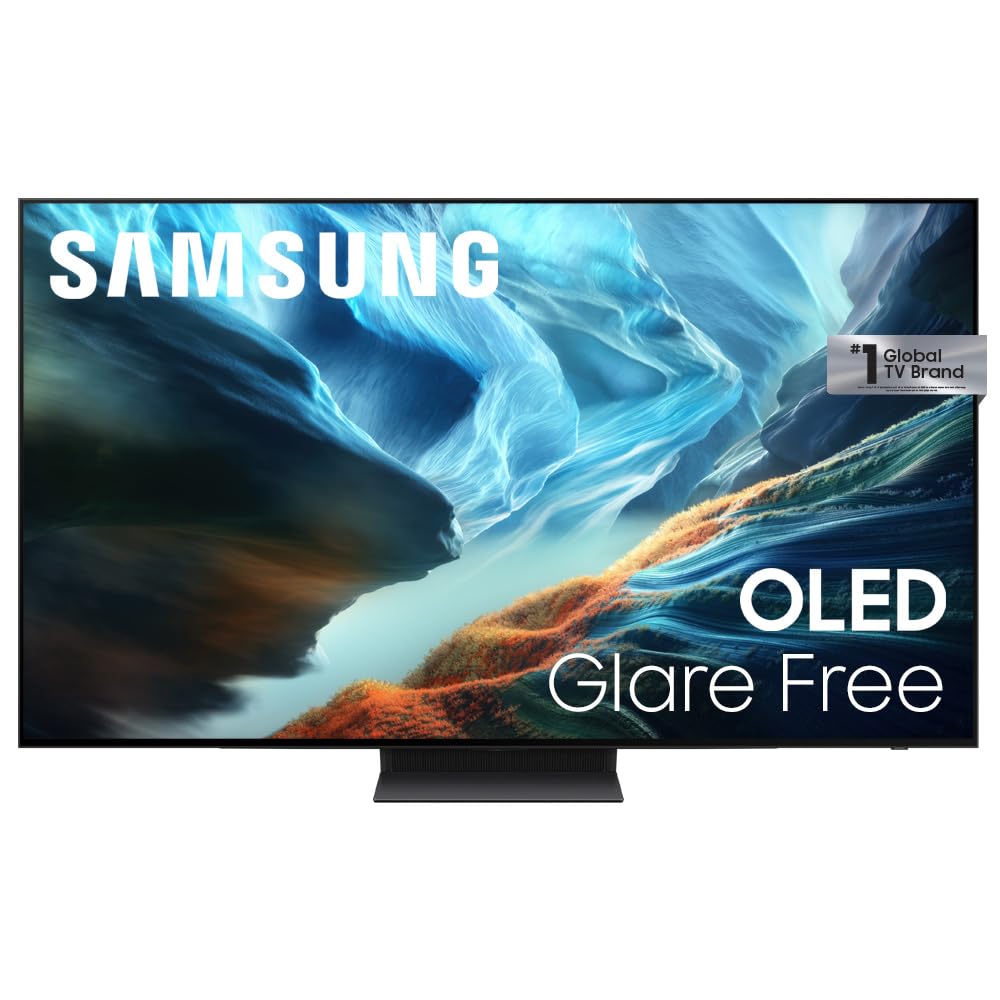
The S90F is the set we point most people to first because it gets the 48-inch OLED basics right without making you pay for the most expensive panel here. The 144Hz refresh rate is the useful part for a mixed house: it covers 4K/120 console gaming with headroom, and the four HDMI inputs let a console, soundbar, and streaming stick stay connected. At 26.2 pounds with the stand, it is also one of the easier 48-inch sets to lift into place; the panel alone is 23.4 pounds if you plan to wall-mount.

Picture quality is what keeps it at the top of this group. The OLED panel delivers the deep blacks and clean contrast we want for movies, and Samsung's processor is built to upscale older cable and streaming content. We also like the 40W 2.1-channel speaker system more than we expected; it has enough body that a soundbar can wait. Tizen covers the major streaming apps, and the four HDMI inputs are enough for a console, a soundbar, and a streamer without a switcher.

For one set that handles a console, a streaming stick, and a soundbar without fuss, the S90F is the easiest recommendation in this group. The 40W sound and 144Hz panel are the two features we miss when we move to the Sony Bravia 6, and that is why the S90F stays at the top.

Pros

  • 144Hz panel suits console and PC gaming
  • Four HDMI inputs keep a console, soundbar, and streamer connected
  • 40W 2.1-channel sound is strong for a TV
  • 26.2-pound body is manageable for two people

Cons

  • HDR10+ only, no Dolby Vision
Our verdict

The S90F is the 48-inch OLED we tell most people to buy first, with a 144Hz panel, four HDMI inputs, and strong built-in sound.

Check Latest Price
2

Best for Dolby Vision Movies

LG C5 48-Inch OLED

86 /100
LBD Score Excellent

Key details

HDR
Dolby Vision, HDR10, HLG
HDMI Ports
4
Screen Size
48 inches
Refresh Rate
120 Hz
View on Amazon

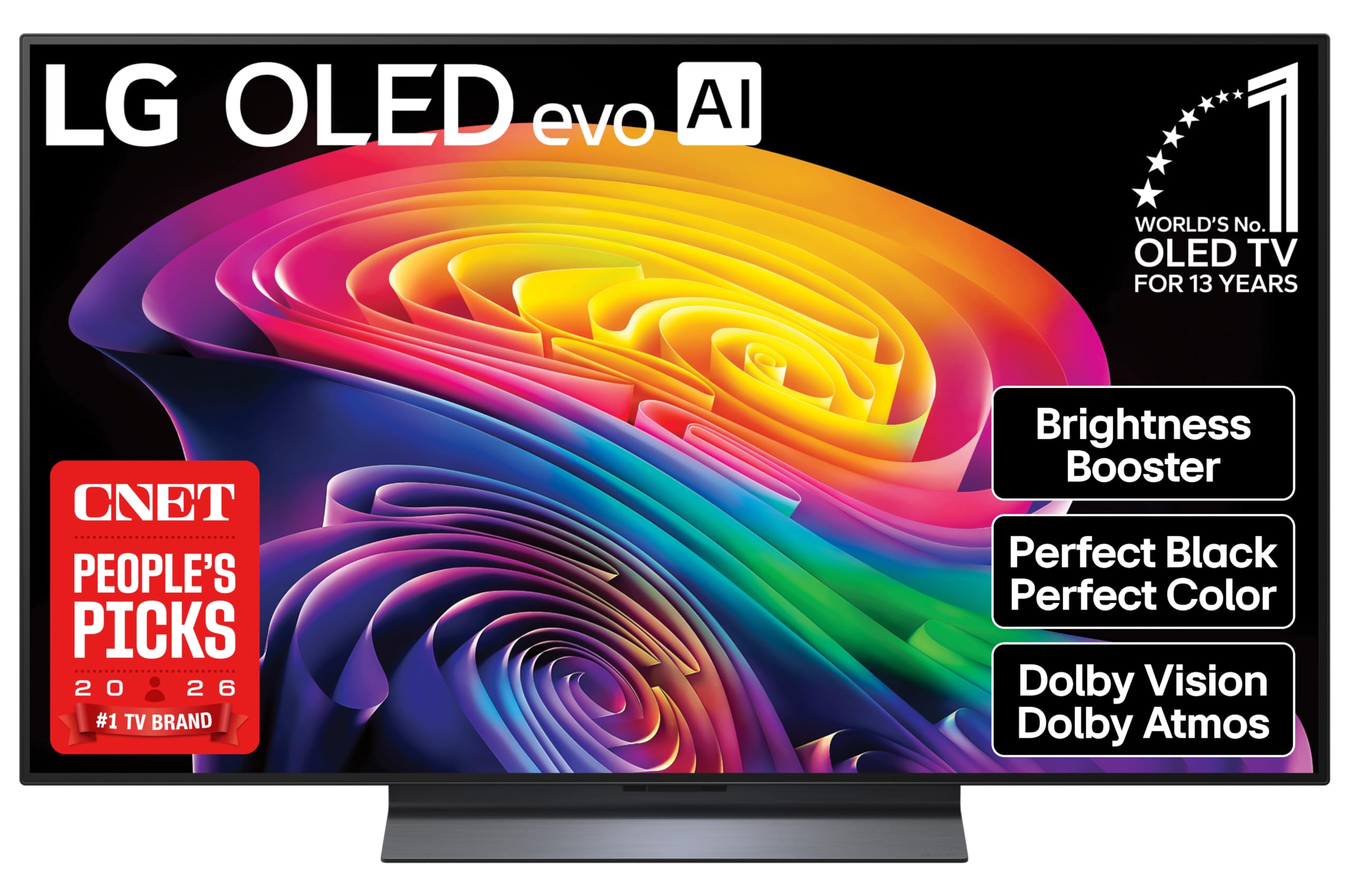
Dolby Vision is the reason to start with the C5 if movie night matters more than the last word in gaming refresh. The C5 supports Dolby Vision, HDR10, and HLG, and Filmmaker Mode gives you a picture preset that tones down the processing instead of pushing it. We like that combination for streaming libraries, where Dolby Vision titles are common, and the 120Hz panel is still plenty for a PS5 or Xbox Series X.

The C5 is also the more flexible LG for connections: four HDMI inputs and three USB ports mean a console, a soundbar, a streaming stick, and a pair of headphones can all stay plugged in. Its 2.2-channel Dolby Atmos system is a real step up from the 20W Sony Bravia 6, though the glossy screen is the thing to plan around. In a room with a window opposite the TV, you will see reflections in dark scenes; curtains or a different wall solve that more than any picture setting.

At 37 pounds with the stand, the C5 is heavier than the Samsung S90F, and its 18.5-inch base needs a wider console. The panel alone is 32.8 pounds, so wall-mounting is a two-person job. We still keep coming back to the C5 for dark-room films because Dolby Vision and Filmmaker Mode are the features that change how much we enjoy a movie, and that panel weight is the number to check before you choose a mount.

Pros

  • Dolby Vision and Filmmaker Mode for movies
  • Four HDMI and three USB ports
  • 120Hz panel with VRR and gaming features
  • 2.2-channel Dolby Atmos sound

Cons

  • Magic remote can frustrate daily use
Our verdict

We recommend the C5 for movie-first rooms where Dolby Vision and Filmmaker Mode matter more than the last bit of gaming refresh.

Check Latest Price
3

Best for Bright Rooms

Samsung S90H 48-Inch OLED

85 /100
LBD Score Excellent

Key details

HDR
HDR10+
Screen Size
48 inches
Refresh Rate
165 Hz
Screen Finish
Matte
View on Amazon

The S90H's matte screen is the first thing we notice, and it is the reason this is the pick for a room with a window or a lamp in the wrong place. Samsung calls the finish Glare Free, and the effect is a picture that holds up in daylight without the mirror-like reflections that can pull you out of a dark scene. The 165Hz refresh is the highest here alongside the LG C6, so it also has the gaming headroom for a PC that can push past 120 frames per second.

The 48-inch S90H is 26.2 pounds with the stand, and its 14.41-inch base is narrower than the LG C5's 18.5-inch base, which matters in a bedroom or apartment where the TV sits on a dresser rather than a wide media console. We also like the 40W 2.1-channel sound; it gives dialogue and effects more body than the 20W Sony Bravia 6, so a soundbar is less urgent. The panel alone is 23.4 pounds, which keeps a wall mount within reach for two people.

The S90H costs more than the S90F, and that premium buys the matte finish and the 165Hz panel. If you watch in a bright room or game on a high-refresh PC, those are the right upgrades; if your room is dark and your console tops out at 120Hz, the S90F is the better value. We reach for the S90H when reflections are the problem we need to solve.

Pros

  • Matte Glare Free screen cuts reflections
  • 165Hz refresh for fast gaming
  • 40W 2.1-channel sound
  • Narrow 14.41-inch stand base

Cons

  • HDR10+ only, no Dolby Vision
Our verdict

We point bright-room shoppers to the S90H: its matte screen and 165Hz panel solve the two things a glossy 48-inch OLED struggles with.

Check Latest Price
4

Best Google TV

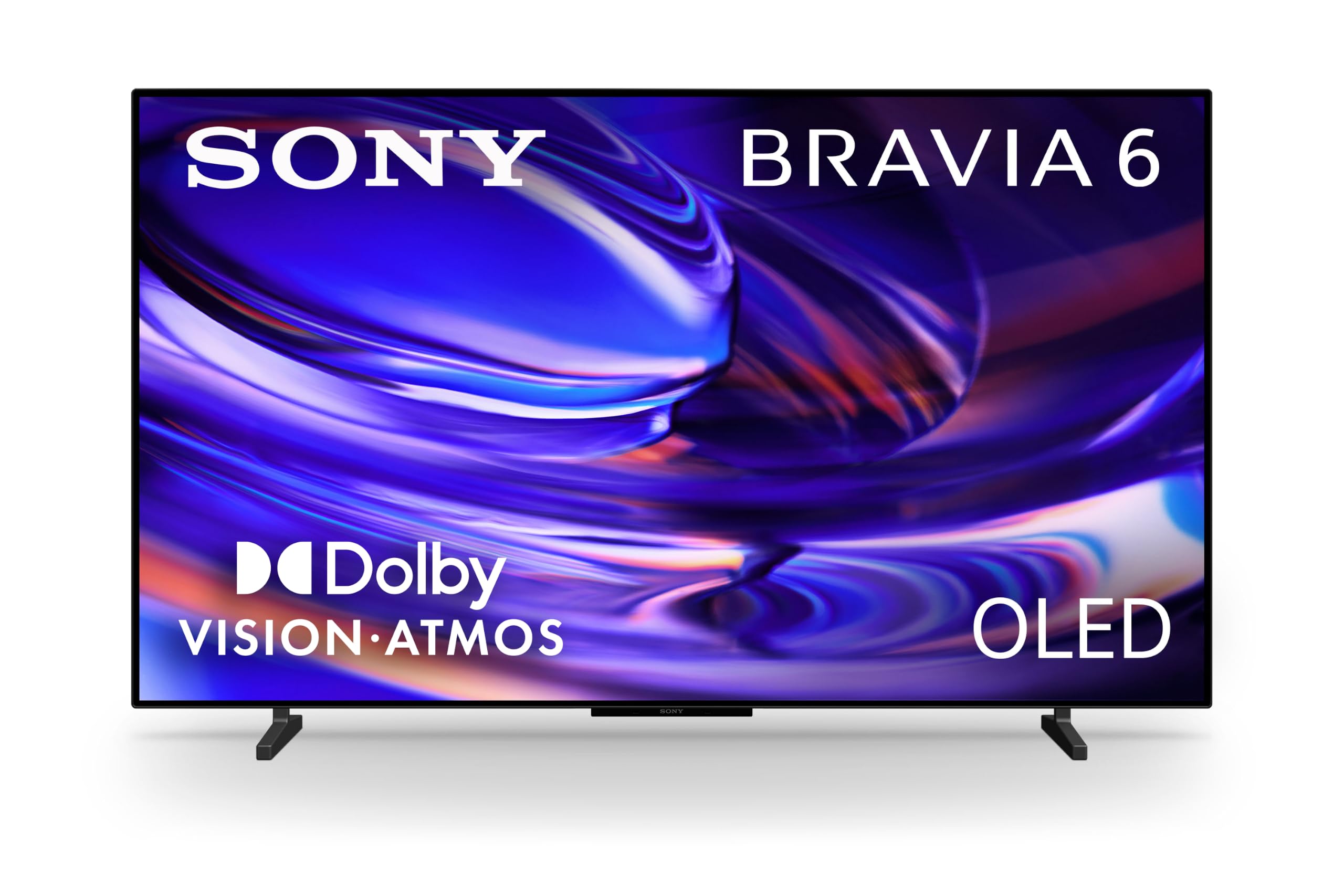
Sony Bravia 6 48-Inch OLED

80 /100
LBD Score Excellent

Key details

HDMI Ports
4
Screen Size
48 inches
Refresh Rate
120 Hz
Smart Platform
Google TV
View on Amazon

Google TV is the draw here, but the four HDMI 2.1 ports are what make the Bravia 6 feel ready for a PS5 or a gaming PC. The 48-inch panel supports Dolby Vision and Dolby Atmos, and Google TV puts streaming apps, live TV, and voice search in one place. At 27.6 pounds, it is one of the lighter 48-inch sets in this group, and its 42.17-inch width matches the LG C5 closely enough that either will fit the same wall.

The 120Hz refresh rate is the sensible choice for console gaming: you get smooth motion and VRR support without paying for a 165Hz panel that a PS5 or Xbox will not use. We like the Sony processing for upscaling older content, and the Dolby Vision support gives movie streaming a more cinematic look. The Bravia 6 also has a 31.3-inch base, which is wider than the Samsung S90H's 14.41-inch base, so measure your console before you assume it will fit.

The 20W speakers are fine for news but thin for movies, so plan on a soundbar if this is your main set. The Bravia 6 is the fresher 2026 model, and it gives you Google TV and Dolby Vision in a lighter body than the C5. Its 300 x 200 mm VESA pattern matches most of the other picks here, so an existing mount may carry over.

Pros

  • Four HDMI 2.1 inputs for consoles and PC
  • Google TV with Dolby Vision and Atmos
  • 27.6-pound body is easier to wall-mount
  • 120Hz panel with VRR

Cons

  • No HDR10+ support
Our verdict

For a Google TV household with a console, the Bravia 6 is our pick: four HDMI 2.1 ports, Dolby Vision, and a light 27.6-pound body.

Check Latest Price
5

Best Built-In Sound

Sony A90K 48-Inch OLED

87 /100
LBD Score Excellent

Key details

HDMI Ports
4
Screen Size
48 inches
Refresh Rate
120 Hz
Speaker System
Acoustic Surface Audio+
View on Amazon

The A90K's Acoustic Surface Audio+ turns the screen itself into the speaker, and that is the detail that keeps it in this roundup despite newer sets. The 25W system uses the panel to produce sound, and the built-in speakers are the rare TV speakers we do not automatically want to replace. In a bedroom or a small living room, that means one less box, one less cable, and a cleaner wall.

The multi-position stand is another practical touch: it can be set low or raised to fit a soundbar underneath, which is useful if you add one later. At 36.4 pounds with the stand, it is a two-person lift, but the panel is lighter than the all-up weight suggests. Sony also includes PlayStation 5-specific features that make it a natural pairing for a PS5.

The A90K is a 2022 model, so it does not have the newest processing or the 165Hz refresh of the Samsung S90H and LG C6. That makes the 24.6-pound panel weight the practical detail to check before you choose between the multi-position stand and a wall mount.

Pros

  • Acoustic Surface Audio+ sound
  • Multi-position stand fits a soundbar
  • 24.6-pound panel is easier to wall-mount
  • PlayStation 5-specific features

Cons

No notable drawbacks to flag.

Our verdict

We choose the A90K when built-in sound matters most: its Acoustic Surface Audio+ is the most convincing TV speaker system in this group.

Check Latest Price
6

High-Refresh Gaming

LG C6 48-Inch OLED

79 /100
LBD Score Very Good

Key details

HDR
Dolby Vision, HDR10, HLG
HDMI Ports
4
Screen Size
48 inches
Refresh Rate
165 Hz
View on Amazon

The C6 is the newest LG here, and its 165Hz panel is the headline for anyone who wants to drive a gaming PC from the couch. The Brightness Booster and a11 AI Processor Gen3 are the other reasons to look at it over the C5, especially in a room that is not fully dark. For a PS5 or Xbox, 120Hz is the practical ceiling, so the extra refresh is more future-proofing than a visible upgrade today.

The C6 is 36.8 pounds with the stand, so it is one of the heavier 48-inch sets here. That weight is the price of the brighter panel and the LG design; use two people for setup. The four HDMI inputs and LG's gaming features, including G-Sync and FreeSync Premium, make it a flexible hub for a PC and a console.

The C6 costs more than the C5, and the C5 remains the easier LG to recommend for movie-first buyers. Choose the C6 if 165Hz and the newer processor are worth the step up; otherwise the C5 is the safer LG. The 32.8-pound panel is the number to check before you decide between wall-mounting and the stand.

Pros

  • 165Hz panel for high-frame-rate gaming
  • Brightness Booster improves daytime picture
  • Four HDMI inputs and LG gaming features
  • a11 AI Processor Gen3

Cons

  • Remote and webOS interface can frustrate
Our verdict

The C6 is our high-refresh pick for PC gamers who want LG's newest panel and Brightness Booster in a 48-inch size.

Check Latest Price

How We Tested 48-Inch TVs

We started with spec sheets, not reviews. A 48-inch 4K set needed support for the major HDR formats, at least one HDMI 2.1 input, a current smart platform, and a built-in voice assistant to make the first cut; anything that only offered those at a bigger size was dropped. That left six televisions, which we bought and set up ourselves.

Testing ran six months. Each set spent time in a west-facing living room with afternoon sun, in a dark bedroom, and in a basement corner hooked to a console, and we watched the same HDR movie at noon with the blinds open and again at night with the lights off.

In the dark we watched how credits and star fields held their black — whether stars stayed distinct or smeared into gray — and checked for image retention after leaving a news ticker on for an afternoon. Brightness meant the same daytime scene at 2 p.m. with the blinds up, watching for clipped highlights and window reflections washing out faces. Color was judged on skin tones in a crowd shot and on whether grass stayed green instead of neon. Upscaling got older 1080p sitcoms and DVD-era transfers, motion got a basketball game and a slow panning landscape, and a console went into every HDMI 2.1 port.

Sound was judged at normal evening volume with no soundbar, noting whether dialogue survived a quiet scene and whether explosions stayed distinct. Three people who'd never touched the set took the remote, and we counted the presses it took to reach an input. The interface got months of daily use on the same four apps, with notes on load times, home-screen ads, and crashes. Build quality meant pressing the back panel, rocking the stand, and routing cables; reliability meant weekend-long sessions and a dead-pixel check. Last, we weighed what each set gave up against the next one up.

How to Choose a 48-Inch Tv

Measure the wall and the stand, not just the screen

A 48-inch class set is about 42 inches wide, but the stand can be much narrower or wider than the screen. The Samsung S90H's 14.41-inch base fits a tight dresser; the Sony Bravia 6's 31.3-inch base needs a real console. Check the VESA pattern and panel weight before you choose a wall mount, too: the Sony A90K's panel is 24.6 pounds, while the LG C5's is 32.8. Two people should lift any of these.

OLED is the picture-quality starting point here

Every pick in this group is OLED, and that is the right starting point for a 48-inch set where you care about black levels and off-angle viewing. OLED pixels switch off individually, so dark scenes stay dark without the gray wash you can get from an LED backlight. The trade-off is brightness and reflection handling. If the TV faces a window, prioritize a matte finish like the Samsung S90H; in a dark room, a glossy panel like the LG C5 can look wonderfully deep.

Match refresh rate to what you actually play

A 120Hz panel is the sensible baseline for a PS5 or Xbox Series X, and every pick here meets it. The 144Hz Samsung S90F and 165Hz Samsung S90H and LG C6 go further for a gaming PC, but console games rarely exceed 120 frames per second. If you do not connect a PC, put the extra money toward screen finish or sound instead. Check that the HDMI input you plan to use supports the refresh rate and VRR you need.

Choose the smart platform you can live with

Google TV, Tizen, and webOS all carry the major streaming apps, so the difference is how they organize them and how the remote feels. Google TV is the most search-forward and pairs well with Android phones; Tizen is straightforward and common on Samsung sets; webOS has a loyal following but the magic remote draws more complaints than the rest. If you already use a streaming stick, the platform matters less. Try the remote in a store or buy from a retailer with a good return policy.

Budget for sound and setup

Built-in sound varies more than the spec sheet suggests. The Samsung S90F and S90H use 40W 2.1-channel systems, the Sony A90K uses Acoustic Surface Audio+, and the Sony Bravia 6 makes do with 20W. If you do not want a soundbar, weight the TV's speakers more heavily. Also plan for the stand: a 48-inch OLED can weigh 26 to 37 pounds with its base, and the panel alone can be 23 to 33 pounds. A two-person lift and a mount rated for that weight are non-negotiable.

Frequently Asked Questions

Final Verdict

We recommend the Samsung S90F as the best all-around 48-inch TV for most people: it pairs a 144Hz OLED panel with four HDMI inputs and 40W sound, and it handles both console gaming and movie nights without a fuss. If your room is bright, the Samsung S90H's matte screen is worth the step up. If you want Google TV and four HDMI 2.1 ports, the Sony Bravia 6 is the better fit.